
Bulgur Sensory Map
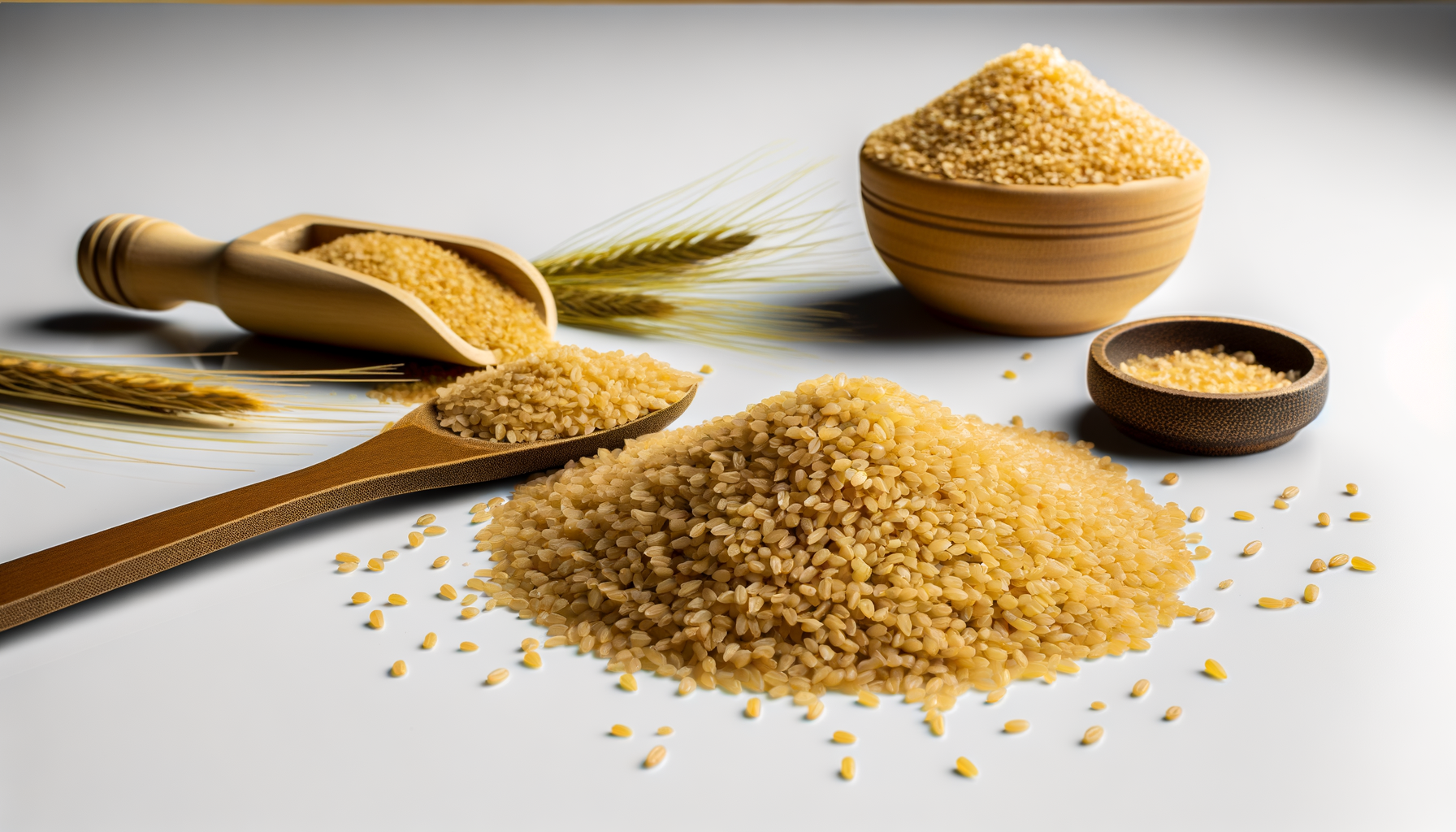
Bulgur
Triticum durum
Sensory Profile
Tastes
Basic flavor profiles
Aromas
Scent characteristics
Stimuli
Sensory sensations
Textures
Physical properties
About Bulgur
Bulgur possesses a mild, nutty flavor with a slightly chewy texture. Its subtle earthiness enhances a variety of dishes, making it a versatile ingredient in both savory and sweet preparations. Primarily used in Middle Eastern and Mediterranean cuisines, bulgur is a staple in dishes such as tabbouleh, kibbeh, and pilafs. It can be cooked, soaked, or steamed, allowing it to absorb flavors from broths, herbs, and spices. Bulgur is also an excellent addition to salads, soups, and grain bowls, providing a nutritious base that pairs well with vegetables, meats, and legumes. Bulgur is believed to have originated in the Fertile Crescent, with evidence of its use dating back thousands of years. It is made from whole wheat grains, specifically durum wheat, which are parboiled, dried, and then cracked into various sizes. This ancient grain has been a dietary staple in regions such as the Levant, Turkey, and parts of North Africa. Bulgur is notable for its quick cooking time, as it is partially cooked during processing. It is available in several grinds, ranging from fine to coarse, each suited for different culinary applications. Rich in fiber, protein, and essential nutrients, bulgur is not only a flavorful addition to meals but also a healthful one, making
Associated health effects(41)
- Zinc
- Satiety Enhancement
- Micronutrient Density
- Phytate Mineral Bioavailability Reduction
- Antioxidant
- Allergic Reactions
- Cardiovascular Health
- Folate Source
- Type 2 Diabetes Prevention
- Nutritional Advantages
- Metabolic Syndrome Protection
- Blood Sugar Support
- Blood Sugar Regulation
- Chronic Disease Prevention
- Polyphenol-Mediated Antioxidant Activity
- Iron Content Support
- At-Risk Populations
- Dietary Fiber
- Interaction with Medications
- Prebiotic Fiber-Mediated Gut Microbiota Improvement
- Cholesterol Management
- Anemia Prevention
- Phosphorus
- Manganese
- Protein Content
- Niacin
- Weight Management and Metabolic Effects
- Weight Management
- B Vitamin Nervous System Support
- LDL Cholesterol Reduction
- Vitamin B6 Nervous System Support
- Homocysteine Reduction
- Osteoporosis Prevention
- Zinc Content Support
- Gluten Content
- Heart Health
- Colorectal Cancer Risk Reduction
- Magnesium
- Short-Chain Fatty Acid Production Enhancement
- Digestive Health
- Anti-inflammatory
Nutrition per 100 g(4)
- Energy: 342 kcal
- Protein: 12.3 g
- Fat: 1.3 g
- Fiber: 12.5 g