
Buttermilk Sensory Map
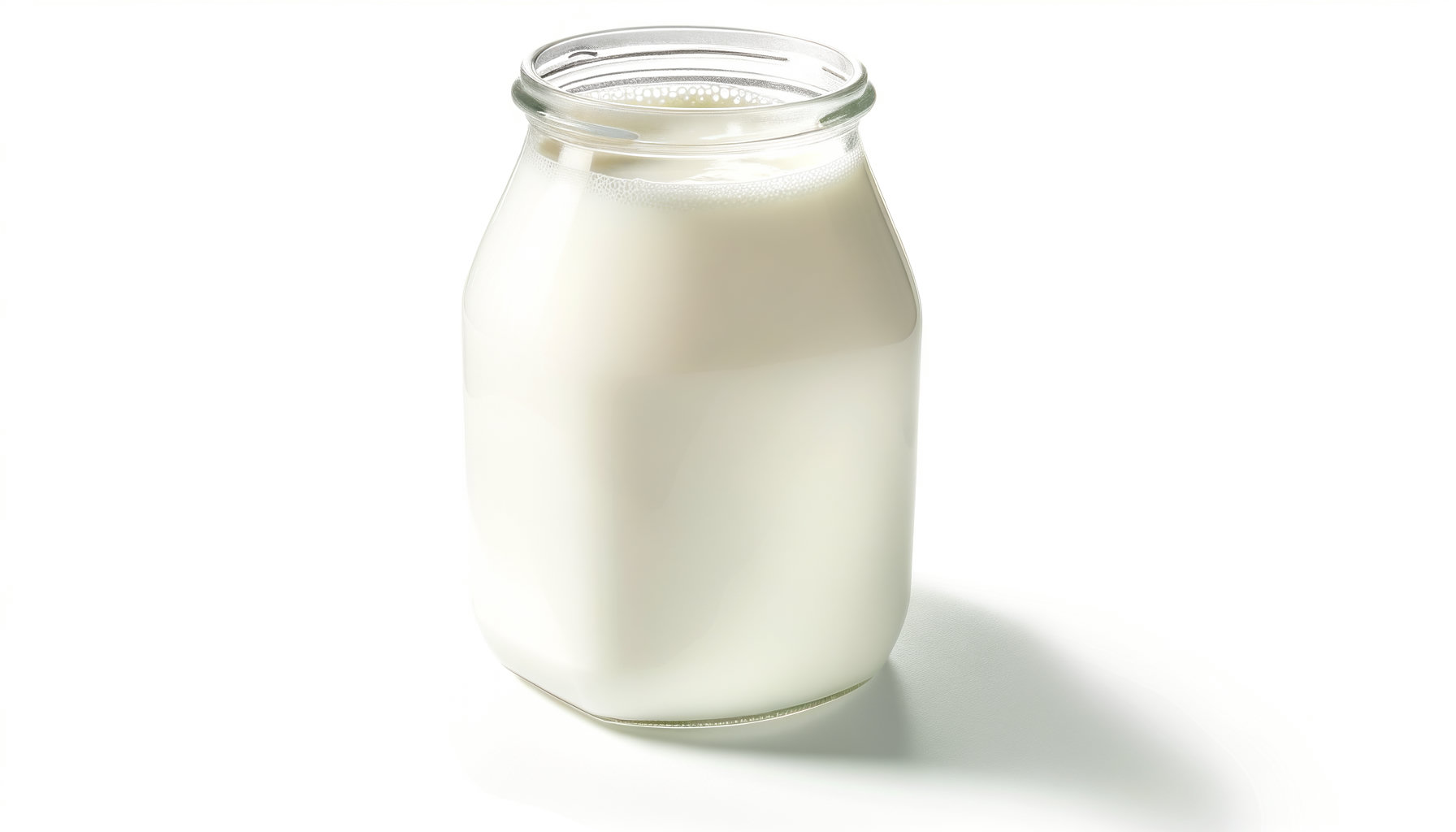
Buttermilk
Lacte vaccinum
Sensory Profile
Tastes
Basic flavor profiles
Aromas
Scent characteristics
Stimuli
Sensory sensations
Textures
Physical properties
About Buttermilk
Buttermilk (Lacte vaccinum) is a tangy, creamy dairy product characterized by its slightly sour flavor profile, which is derived from the fermentation of low-fat milk or cream with lactic acid bacteria. Its aroma is reminiscent of fresh yogurt with a hint of nutty undertones, while its texture is smooth and viscous, making it an ideal ingredient for both cooking and baking. Traditionally, buttermilk is a staple in Southern cuisine, often used in classic dishes such as buttermilk biscuits, pancakes, and fried chicken, where it acts as a tenderizing marinade or a leavening agent when combined with baking soda. Originating from the process of churning butter, buttermilk has deep cultural roots in various regions, particularly in the United States and India, where it is celebrated for its versatility and ability to enhance flavors, making it a unique ingredient that bridges the gap between savory and sweet applications.
Associated health effects(66)
- Calcium-Protein Bone Density Support
- Blood Pressure Support
- Micronutrient Density
- Riboflavin Content Support
- Milk Allergy
- Milk Protein Allergy Symptom Induction
- Calcium Content Support
- Antioxidant
- Dose-Dependent Effects
- Fermentation-Enhanced Prebiotic Activity
- Digestive Tolerance
- Blood Pressure Reduction
- Cholesterol Absorption Inhibition via Milk Fat Globule Membrane
- IBS Symptom Relief
- Lipid Profile Improvement
- Sodium Content
- Liver Support
- Blood Cholesterol Reduction
- Riboflavin
- Milk Fat Globule Membrane Support
- Protein Digestibility
- Vitamin A Support
- Lactose Intolerance Symptom Induction
- Probiotic Digestive Enhancement
- Bioactive Peptide Blood Pressure Support
- Probiotic Support
- Gut Microbiota Modulation via Probiotics
- Immune Booster
- High Sodium Content
- Immune Modulation
- Fat-Soluble Vitamin Provision
- Electrolyte Replenishment
- Foodborne Illness Risk
- No Evidence of Toxicity, Heavy Metals, or Contaminants
- Mineral Content
- Electrolyte Balance Support
- Skin Health
- Dental Inflammation Reduction
- Milk Fat Globule Membrane Cholesterol Absorption Inhibition
- Cholesterol Absorption Inhibition
- Bone Health
- Blood Lipid Profile Improvement
- Nutrient-Dense Protein Support
- Cholesterol Management
- Digestive Relief via Carminative Action
- Oral Health Improvement
- Dental Caries Risk Reduction
- Probiotic Support from Cultured Fermentation
- B Vitamin Nervous System Support
- Anti-aging Activity
- Digestive Upset
- LDL Cholesterol Reduction
- Lactose Digestion Enhancement
- Cooling Activity
- Lactic Fermentation-Mediated Gut Microbiota Modulation
- Bioactive Peptide Support
- Triglyceride Reduction
- Immune Function
- Digestive Prebiotic Support
- Sphingolipid-Mediated Cholesterol Absorption Inhibition
- Digestive Cooling Support
- Digestive Aid
- Vitamin A Source
- Digestive Health
- Anticancer Potential
- Anti-inflammatory
Nutrition per 100 g(4)
- Energy: 40 kcal
- Protein: 3.3 g
- Fat: 0.9 g
- Fiber: 0 g