
Cabbage Sensory Map
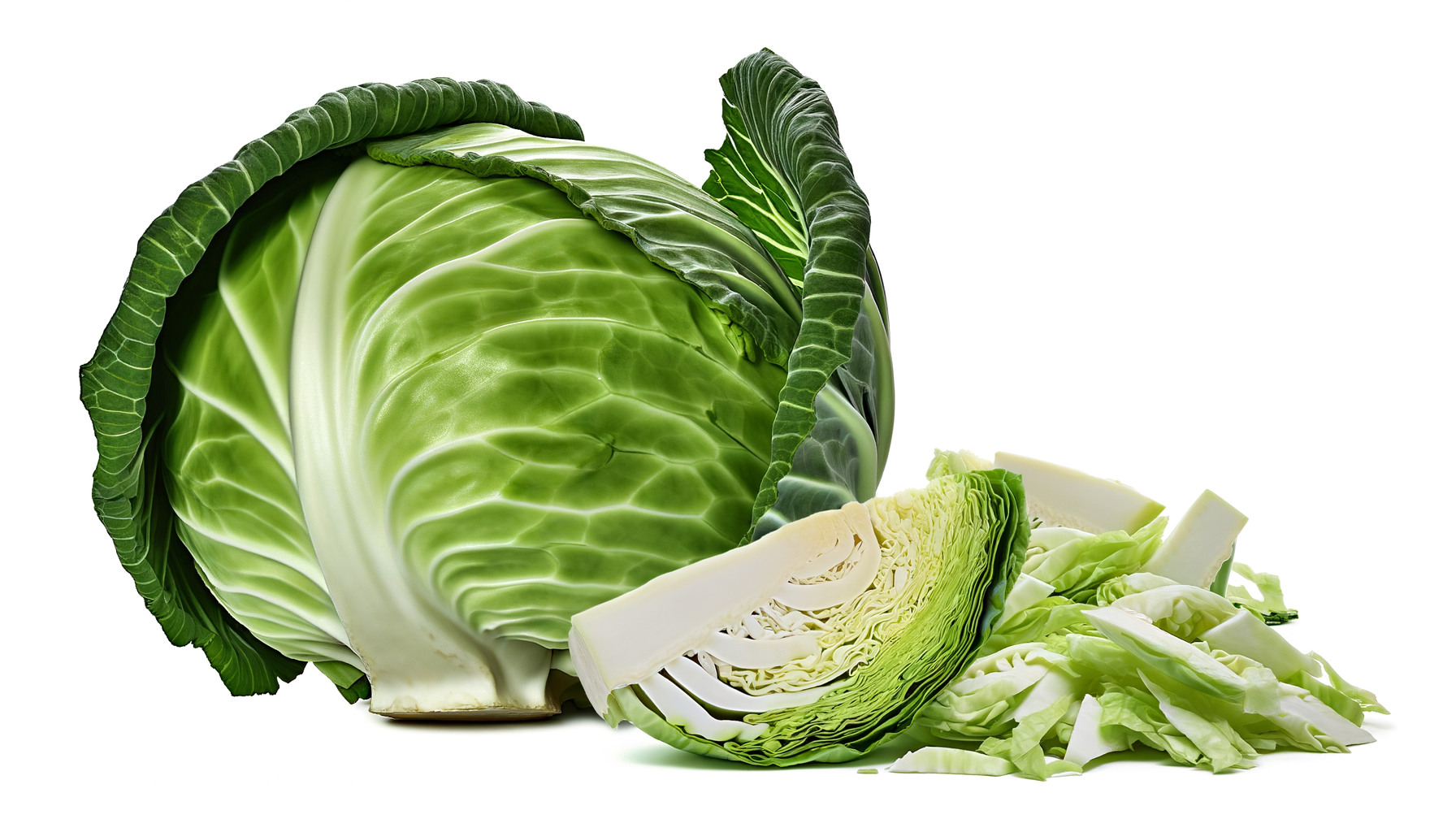
Cabbage
Brassica oleracea convar. capitata var. alba
Sensory Profile
Tastes
Basic flavor profiles
Aromas
Scent characteristics
Stimuli
Sensory sensations
Textures
Physical properties
About Cabbage
Cabbage offers a mild, slightly sweet flavor with a crisp texture. When raw, it has a refreshing crunch and a subtle peppery note, while cooking enhances its sweetness and can impart a tender, buttery quality. The flavor can vary slightly depending on the variety, with green cabbage being the most common. Cabbage is incredibly versatile in the kitchen. It can be enjoyed raw in salads, coleslaws, and wraps, where its crunch adds texture and freshness. Cooking methods such as steaming, sautéing, braising, and fermenting (as in sauerkraut and kimchi) highlight its sweetness and soften its texture. Cabbage is also a staple in many traditional dishes, including stuffed cabbage rolls and stir-fries, making it a global culinary favorite. Cabbage is believed to have originated in Europe and Asia, with its cultivation dating back thousands of years. It is a member of the Brassica family, which includes other cruciferous vegetables like broccoli and kale. Its adaptability to various climates and soils has allowed it to spread worldwide, becoming a staple in many cuisines. Cabbage is characterized by its tightly packed leaves, which can be green, purple, or white, depending on the variety. It is a cool-season crop, thriving in temperate climates, and
Associated health effects(39)
- Vitamin C Source
- Blood Pressure Support
- Micronutrient Support
- Sulforaphane-Mediated Neuroprotection
- Micronutrient Density
- Gastrointestinal Protection
- Flatulence and Bloating
- Cardiovascular Protection
- Antioxidant
- Allergic Reactions
- Dose-Dependent Effects
- Anthocyanin Support
- Goitrogenic Activity
- Analgesic Activity
- Fermentation-Enhanced Prebiotic Activity
- Blood Pressure Reduction
- Topical Anti-inflammatory Activity
- Cancer-Preventive
- Blood Sugar Support
- Vitamin K Source
- Blood Sugar Regulation
- Goitrin-Mediated Thyroid Interference
- Immune Booster
- Digestive Irritation
- Dietary Fiber
- Prebiotic Fiber-Mediated Gut Microbiota Improvement
- Bone Health
- Prebiotic Support
- Cholesterol Management
- Blood Clotting
- Weight Management
- Potassium
- Heart Health
- Digestive Aid
- Glucosinolate-Mediated Detoxification Support
- Digestive Health
- Anticancer Potential
- Anti-inflammatory
- Thyroid Function Interference
Nutrition per 100 g(4)
- Energy: 25 kcal
- Protein: 1.3 g
- Fat: 0.1 g
- Fiber: 2.5 g