
Cabernet Sauvignon Sensory Map
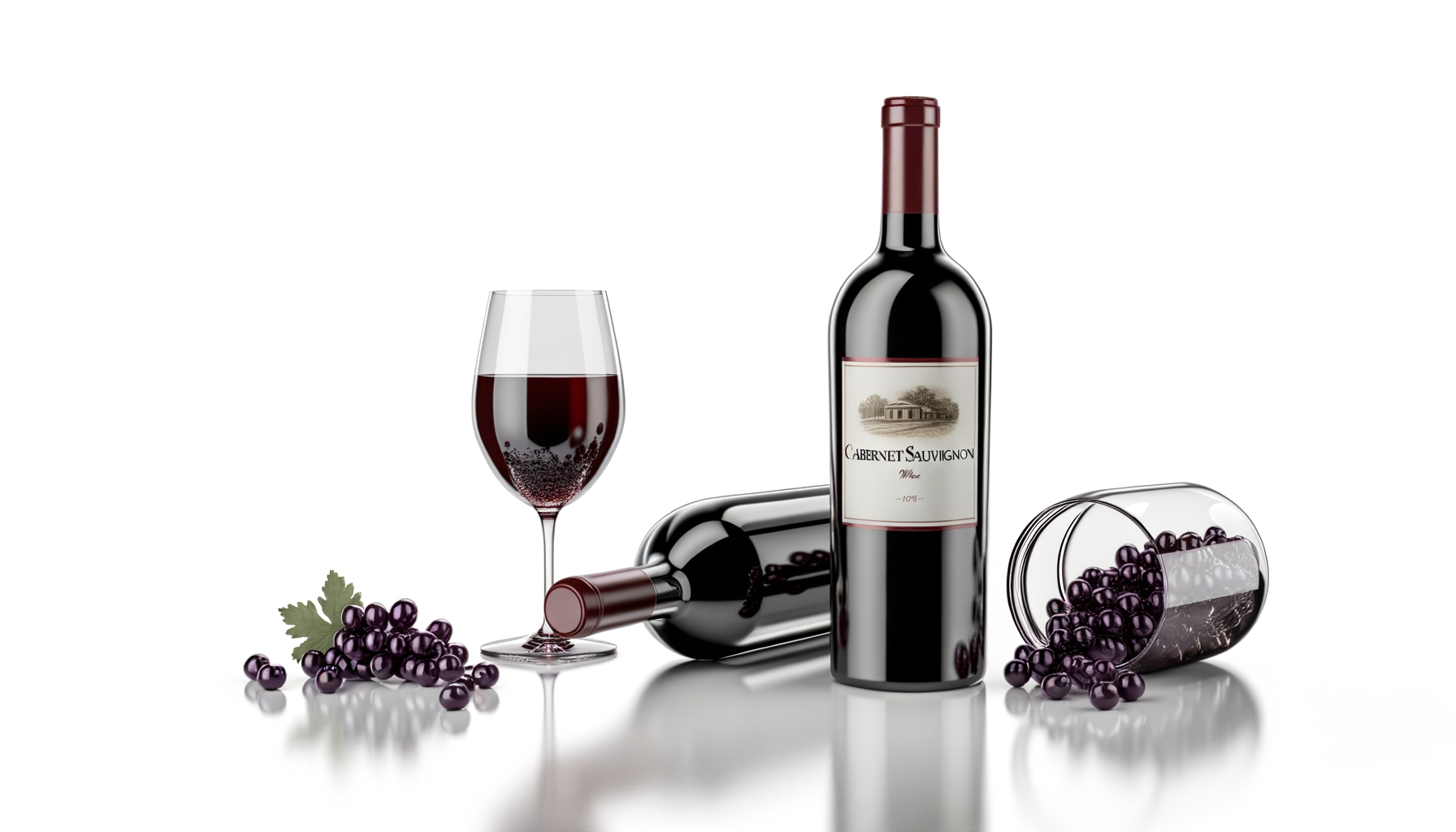
Cabernet Sauvignon
Vitis vinifera
Sensory Profile
Tastes
Basic flavor profiles
Aromas
Scent characteristics
Stimuli
Sensory sensations
Textures
Physical properties
About Cabernet Sauvignon
Cabernet Sauvignon is renowned for its bold and robust flavor profile, characterized by dark fruit notes such as blackcurrant, blackberry, and plum. It often exhibits secondary flavors of green bell pepper, cedar, and tobacco, along with hints of vanilla and spice from oak aging. The wine produced from this grape variety typically has a full body, high tannins, and a long finish, making it a favorite among red wine enthusiasts. While primarily known as a wine grape, Cabernet Sauvignon can also be utilized in culinary applications. Its rich flavors complement hearty dishes, making it an excellent pairing for grilled meats, particularly beef and lamb, as well as rich sauces and stews. The wine can also be used in marinades, reductions, and sauces to enhance the depth of flavor in various dishes. Cabernet Sauvignon originated in the Bordeaux region of France, where it is one of the primary grape varieties used in the region's prestigious red wines. It is believed to be a natural cross between Cabernet Franc and Sauvignon Blanc, dating back to the 17th century. Today, it is cultivated in wine regions around the globe, including California, Australia, and Chile, adapting well to diverse climates and soils. This grape variety is notable for its thick skin, which contributes to its high tannin content and aging potential. Cabernet Sauvignon vines are hardy
Associated health effects(15)
- Antioxidant
- Headache Trigger
- Liver Toxicity
- Cancer Risk
- Blood Sugar Support
- Biogenic Amine Sensitivity
- Cardiovascular Stress
- Addiction Potential
- Digestive Irritation
- Dehydration
- Cholesterol Management
- Neuroprotection
- Heart Health
- Anti-inflammatory
- Cognitive Support
Nutrition per 100 g(4)
- Energy: 83 kcal
- Protein: 0.1 g
- Fat: 0 g
- Fiber: 0 g