
Camembert Sensory Map
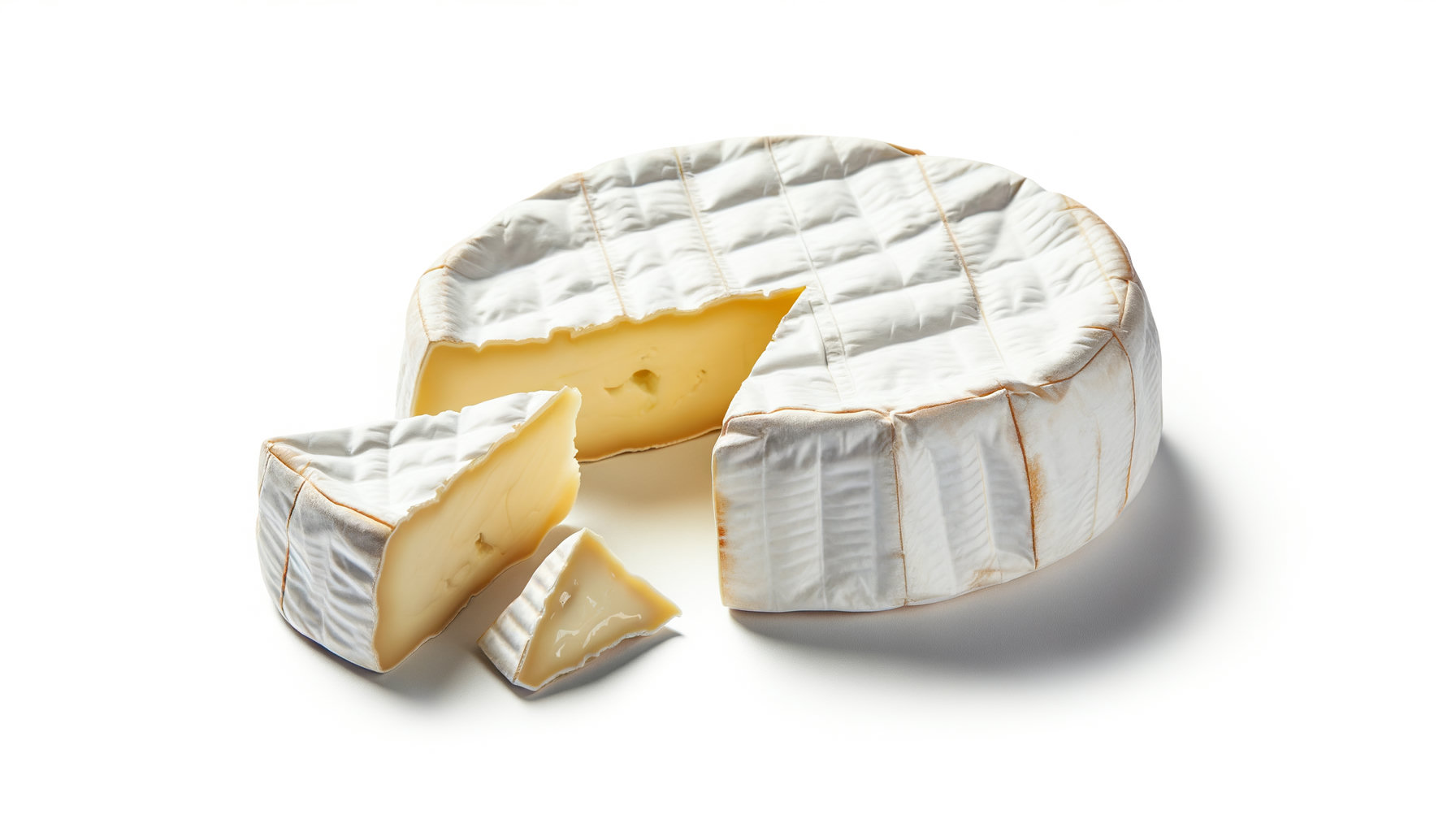
Camembert
Caseus camembert
Sensory Profile
Tastes
Basic flavor profiles
Aromas
Scent characteristics
Stimuli
Sensory sensations
Textures
Physical properties
About Camembert
Camembert (Caseus camembert) is a soft, creamy cheese hailing from the Normandy region of France, renowned for its rich, buttery flavor profile that unfolds with earthy notes of mushrooms and a subtle tanginess, complemented by a distinct aroma reminiscent of fresh hay and wildflowers. Its velvety texture, characterized by a delicate, bloomy rind formed during the aging process, invites a luxurious mouthfeel that melts effortlessly on the palate. Traditionally served at room temperature, Camembert shines in culinary applications ranging from classic cheese boards to being baked until gooey and served with crusty bread, while its affinity for pairings with crisp apples, robust red wines, and nutty crackers enhances its complex flavors. The cheese's artisanal production methods, which involve the use of raw cow's milk and a careful aging process that develops its signature rind, reflect its cultural significance as a staple of French gastronomy, making Camembert not just a cheese, but a celebration of regional heritage and craftsmanship.
Associated health effects(12)
- Allergic Reactions
- Saturated Fat and Cholesterol
- Lactose Intolerance
- Sodium Content
- Calcium Bioavailability from Casein
- Biogenic Amine Sensitivity
- Probiotic Support
- Foodborne Illness Risk
- Protein Content
- Neuroprotection
- Anti-inflammatory
- BDNF Elevation
Nutrition per 100 g(4)
- Energy: 300 kcal
- Protein: 19 g
- Fat: 24 g
- Fiber: 0 g