
Camphor Sensory Map
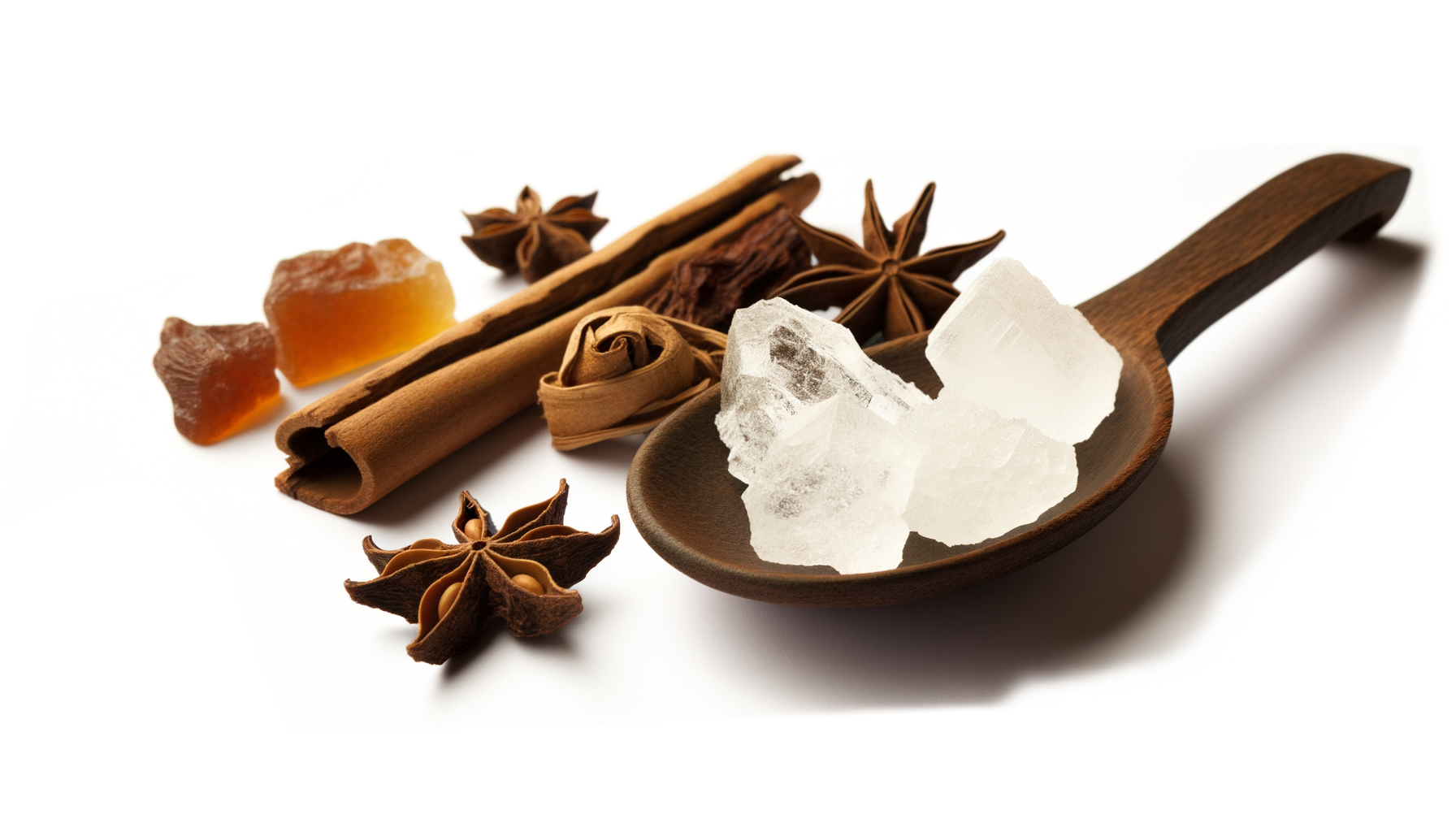
Camphor
Cinnamomum camphora
Sensory Profile
Tastes
Basic flavor profiles
Aromas
Scent characteristics
Stimuli
Sensory sensations
Textures
Physical properties
About Camphor
Camphor possesses a strong, aromatic flavor that is both pungent and slightly bitter, with a cooling sensation reminiscent of menthol. Its unique taste can be polarizing, often described as medicinal or camphoraceous, making it a distinctive addition to culinary applications. While camphor is primarily known for its medicinal properties and aromatic qualities, it is used sparingly in culinary contexts, particularly in certain Asian cuisines. In Indian cooking, it is sometimes incorporated into sweets and desserts, such as "peda" or "barfi," to impart a unique flavor. Additionally, it can be found in some traditional herbal teas and is occasionally used in pickling. Due to its potent flavor, it is essential to use camphor in moderation to avoid overwhelming dishes. Camphor is derived from the wood of the camphor tree, native to East Asia, particularly in regions such as Taiwan, Japan, and China. The tree thrives in subtropical and tropical climates and has been cultivated for centuries for its aromatic resin. The extraction of camphor involves steam distillation of the wood, yielding the crystalline substance that is widely recognized today. Camphor is notable for its crystalline form, which can appear as white or translucent flakes. It has a strong, penetrating aroma that is often associated with medicinal products.
Associated health effects(58)
- Camphor-Induced Neurotoxicity
- Liver Damage
- Limited Nutritional Advantages
- Expectorant
- Oral Camphor Toxicity
- Neurotoxicity (Camphor-Specific)
- Drug Interactions
- Seizure Induction
- Airway Inflammation Reduction
- Allergic Reactions
- Dose-Dependent Effects
- Respiratory Relief
- Toxicity and Safety
- Analgesic Activity
- General toxicity
- Topical Decongestant Activity
- Culinary Cooling Sensation
- Topical Anti-inflammatory Activity
- Liver Toxicity
- Antifungal
- Respiratory Toxicity
- Gastrointestinal Toxicity
- Skin Irritation Burns and Blisters
- No Unique Nutritional Advantage
- Decongestant
- Anti-pruritic Activity
- Renal Toxicity
- Topical Antipruritic Activity
- Camphor-Induced Respiratory Depression
- Camphor-Related Neurotoxicity
- Respiratory Depression
- Vasodilation
- Antipyretic Activity
- Digestive Irritation
- Camphor-Induced Counterirritant Circulation Support
- Cough Reduction
- Central Nervous System Irritation
- At-Risk Populations
- Digestive Discomfort
- Emetic Properties
- Hepatotoxicity
- Acute Oral Toxicity
- Seizures
- Muscle Cramp Relief
- Antibacterial
- Camphor-Induced Seizure Risk
- Acute Oral Camphor Toxicity
- Rubefacient Activity
- Bronchodilation
- Rapid Systemic Toxicity
- Gastrointestinal Distress
- Contact Dermatitis
- Antiviral
- Topical Skin Relief
- Counter-irritant Activity
- Respiratory Support
- Gastrointestinal Irritation
- Anti-inflammatory
Nutrition per 100 g(4)
- Energy: 0 kcal
- Protein: 0 g
- Fat: 0 g
- Fiber: 0 g