
Cane Sugar Sensory Map
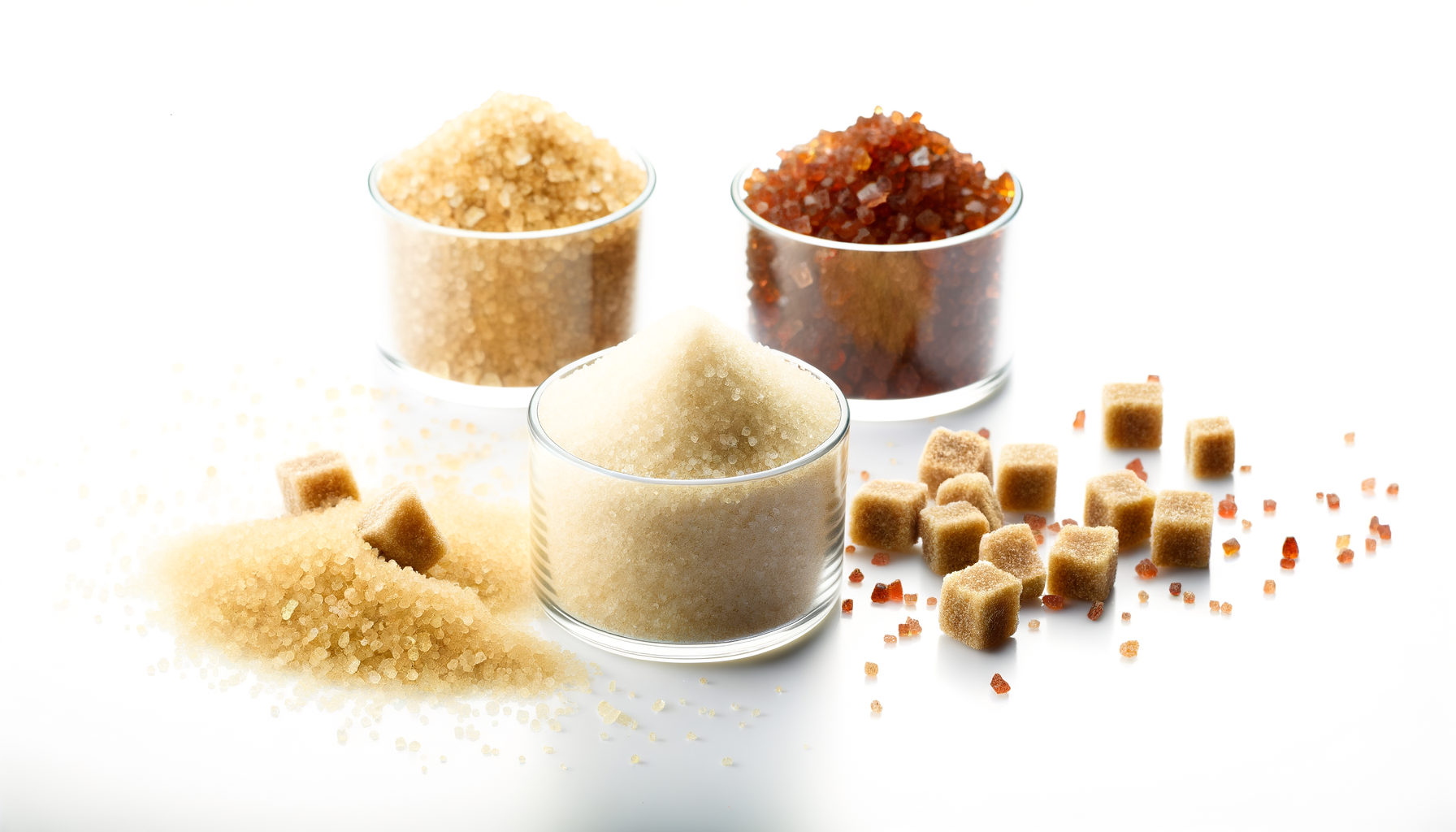
Cane Sugar
Saccharum officinarum
Sensory Profile
Tastes
Basic flavor profiles
Aromas
Scent characteristics
Stimuli
Sensory sensations
Textures
Physical properties
About Cane Sugar
Cane sugar is characterized by its sweet, crystalline flavor that enhances the natural sweetness of foods and beverages. It has a clean, uncomplicated sweetness with subtle caramel notes that develop when cooked or caramelized. Cane sugar is a versatile sweetener widely used in baking, cooking, and beverage preparation. It serves as a key ingredient in desserts such as cakes, cookies, and pastries, providing structure and moisture. In savory dishes, it balances acidity and enhances flavors, making it a common addition to sauces, marinades, and dressings. Cane sugar is also essential in preserving fruits and making jams and jellies. Originating from Southeast Asia, cane sugar has been cultivated for thousands of years, with evidence of its use dating back to ancient India and China. It spread to the Middle East and Europe through trade routes, becoming a staple in various cuisines worldwide. Today, major producers include Brazil, India, and China, where it is harvested from tall, grass-like stalks. Cane sugar is typically available in various forms, including granulated, brown, and powdered, each with unique applications. Granulated cane sugar is the most common, while brown sugar retains some molasses, imparting a richer flavor and moisture. Its hygroscopic nature allows it to absorb moisture, making it crucial for maintaining the freshness of baked goods. Cane sugar is also a key
Associated health effects(107)
- Rehydration Support
- Depression and Mental Health
- Blood Sugar Crash
- Blood Sugar Spikes
- Mood Alterations
- Insulin Resistance Development
- Liver Damage
- Limited Nutritional Advantages
- Caloric Density
- Quick Energy and Glucose Recovery Acceleration
- Quick Energy Provision
- Sugar Crash and Dependency Cycle
- Cardiovascular Disease Risk
- Obesity Promotion
- Weight Gain and Fat Storage
- Chronic Disease Risk
- Chronic Inflammation and Disease Risk
- Dental Caries Promotion
- Glycogen Replenishment Enhancement
- Mood Elevation via Simple Carbohydrates
- Mental Health Impact
- Mood and Reward Pathway Stimulation
- Dose-Dependent Effects
- Fatty Liver
- Energy Intake Stimulation
- Short-term energy provision
- Type 2 diabetes/insulin resistance
- Weight Gain/Obesity and Fat Storage
- Cardiovascular Risk
- LDL and Total Cholesterol Elevation
- Culinary Sweetener Glycemic Impact
- Gallstone Formation Risk
- Liver Toxicity
- Cancer Risk
- Mood Elevation via Glucose-Induced Serotonin Release
- Metabolic Dysfunction
- Refining and micronutrient loss
- Diabetes Risk Elevation
- No Unique Nutritional Advantage
- Mood Elevation via Acute Glycemic Response
- Quick energy boost
- Exercise Rapid Energy Provision
- Trace Mineral Support via Unrefined Sugars
- General overconsumption risks
- Trace Mineral-Linked Blood Sugar Support
- Heart disease and cardiovascular issues
- Cardiovascular Stress
- Rapid Serotonin Modulation
- Antioxidant Activity via Unrefined Sugar Polyphenols
- Trace Mineral Provision
- Limited Micronutrient Density
- High Caloric Density
- Liver Disease
- High Blood Pressure
- Sugar Content
- Trace Mineral Provision via Unrefined Forms
- High Sugar Content
- All-Cause Mortality Risk Elevation
- Obesity, type 2 diabetes, CVD
- Addiction Potential
- Temporary Mood Enhancement
- Gout and Metabolic Disorders
- Hypoglycemia Risk
- Digestive Irritation
- Flavor and Culinary Use
- Mood Enhancement
- Serotonin Production Support
- Digestive Discomfort
- Mood Enhancement via Carbohydrate-Driven Serotonin Support
- Weight Gain and Obesity Risk
- Traditional Medicinal Use Validation
- Rapid Energy Provision
- Type 2 Diabetes and Blood Sugar Dysregulation
- Obesity and Weight Gain
- Dehydration
- Caloric Excess
- Lower Glycemic Impact
- Blood Pressure Elevation
- Sugar-Induced Glycemic Load
- Heart Disease and Diabetes Risk
- Trace Mineral Provision from Unrefined Sugars
- Dental Caries Risk
- Metabolic Syndrome Risk
- Temporary Mood Elevation
- Premature Mortality
- Temporary Energy Provision
- Fructose-Induced Liver Strain
- Obesity, type 2 diabetes, cardiovascular disease
- Cardiovascular Disease
- Digestive Upset
- Glycogen Storage Enhancement
- Energy Crashes
- Trace Mineral Content Support
- Glycogen Replenishment Support
- Serotonin-Mediated Mood Elevation
- Mood and Cognitive Enhancement (Acute)
- Mood Enhancement via Serotonin Modulation
- Tooth Decay
- Glycemic Impact
- Rapid Glycemic Response
- Weight Gain
- Type 2 Diabetes Risk
- Weight Gain and Metabolic Dysfunction
- Temporary Energy and Mood Enhancement
- Diuretic Activity via Simple Sugars
- Obesity Risk Elevation
- Type 2 Diabetes Development
Nutrition per 100 g(4)
- Energy: 400 kcal
- Protein: 0 g
- Fat: 0 g
- Fiber: 0 g