
Capers Sensory Map
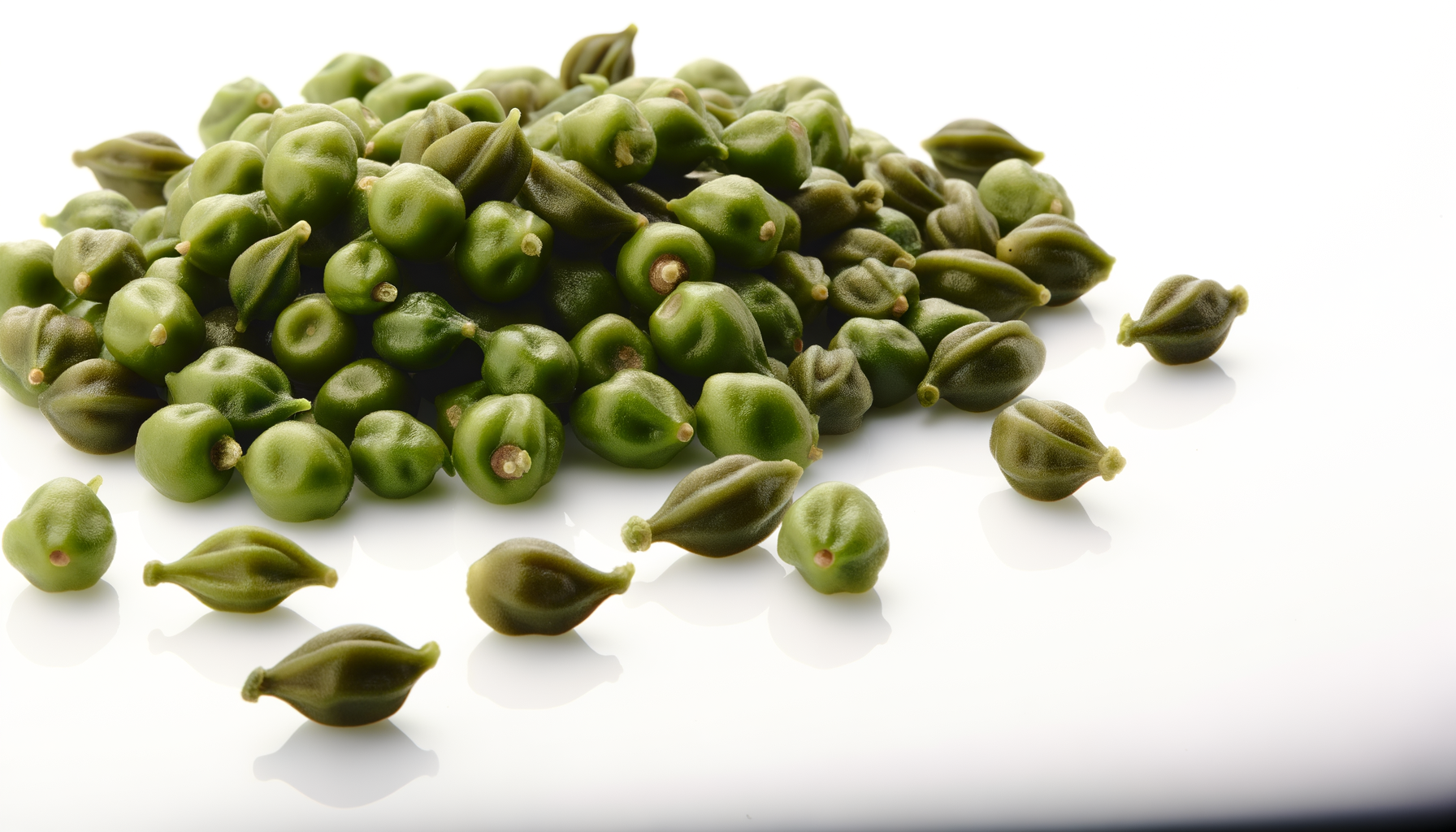
Capers
Capparis spinosa
Sensory Profile
Tastes
Basic flavor profiles
Aromas
Scent characteristics
Stimuli
Sensory sensations
Textures
Physical properties
About Capers
Capers are small, green flower buds that are briny and tangy, offering a unique burst of flavor that can be described as a combination of lemony and herbal notes with a slight bitterness. Their distinct sharpness adds depth to dishes, making them a popular choice for enhancing savory flavors. Capers are widely used in Mediterranean cuisine, particularly in Italian, Greek, and French dishes. They are a key ingredient in sauces such as puttanesca and tartar sauce, and they complement seafood, poultry, and vegetable dishes. Capers can be used whole, chopped, or as a paste, and they are often added to salads, pasta, and pizza for a zesty kick. Their brine can also be used to add flavor to dressings and marinades. Capers are native to the Mediterranean region, thriving in rocky, arid environments. They have been used since ancient times, with references dating back to the Greeks and Romans, who valued them not only for their flavor but also for their medicinal properties. Today, they are cultivated in various Mediterranean countries, including Italy, Spain, and Morocco. Capers are typically sold pickled in brine or salt, which enhances their flavor and preserves their freshness. The size of capers can vary, with nonpareil capers being the smallest and most prized for
Associated health effects(22)
- Blood Pressure Support
- Antioxidant
- Allergic Reactions
- Nutritional Advantages
- Cancer-Preventive
- Antifungal
- Liver Support
- Blood Sugar Support
- Quercetin and Rutin Flavonoid Support
- High Sodium Content
- Hepatoprotection
- Bone Health
- Cholesterol Management
- KCNQ Channel Activation
- Alpha-glucosidase Inhibition
- Weight Management
- Antibacterial
- Neuroprotection
- Heart Health
- Sodium Overload
- Digestive Aid
- Anti-inflammatory
Nutrition per 100 g(4)
- Energy: 30 kcal
- Protein: 2.4 g
- Fat: 2.4 g
- Fiber: 3.2 g