
Caraway Sensory Map
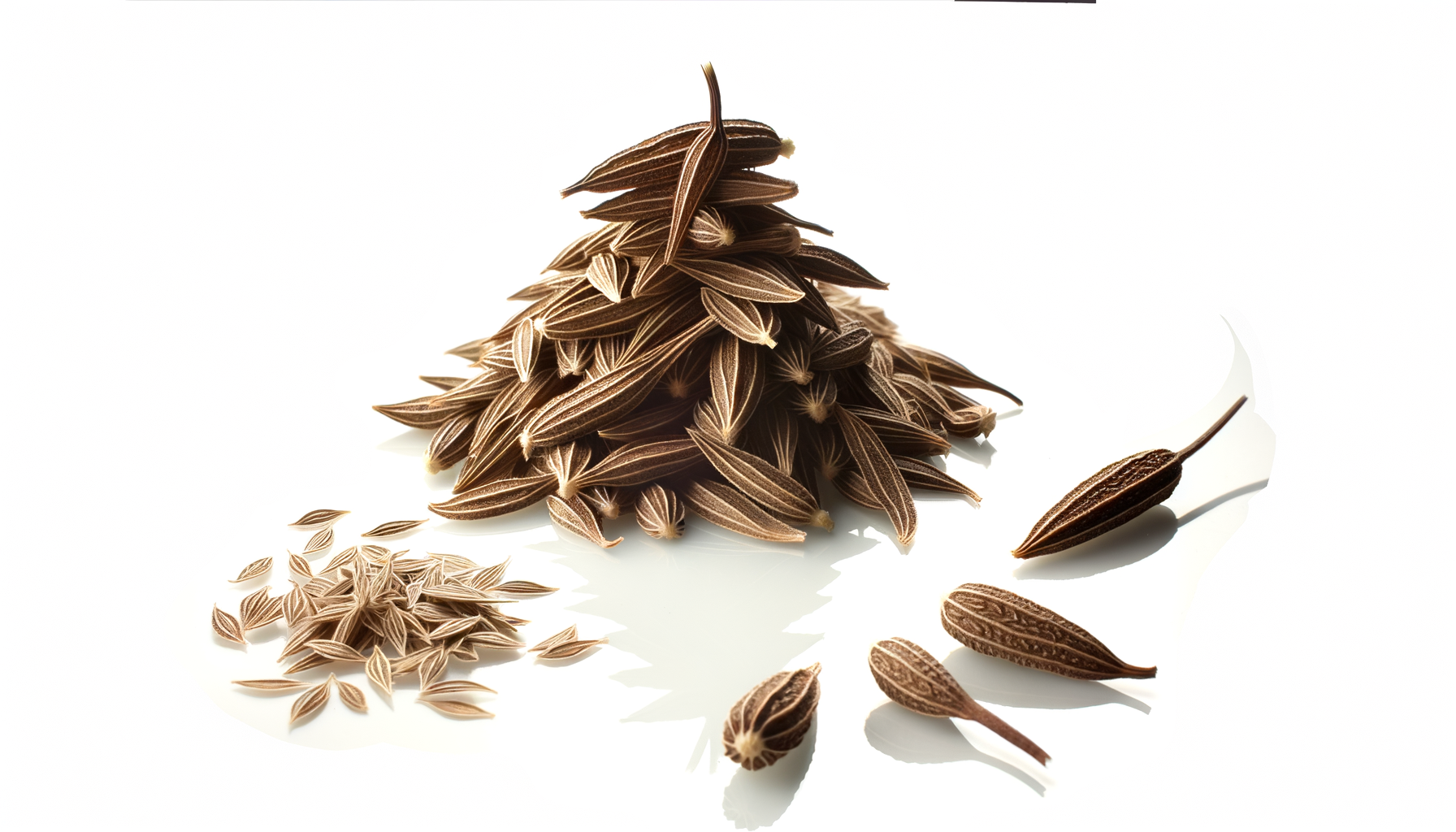
Caraway
Carum carvi
Sensory Profile
Tastes
Basic flavor profiles
Aromas
Scent characteristics
Stimuli
Sensory sensations
Textures
Physical properties
About Caraway
Caraway seeds possess a warm, slightly sweet, and earthy flavor with a hint of anise and citrus undertones. Their aromatic quality is often described as nutty and peppery, making them a unique addition to both sweet and savory dishes. Caraway is widely used in European cuisines, particularly in German, Austrian, and Scandinavian dishes. It is a key ingredient in rye bread, sauerkraut, and various meat dishes, including sausages and stews. Caraway seeds can also enhance the flavor of cheeses, pickles, and potato dishes. In sweet applications, they can be found in cakes, cookies, and spiced desserts. The leaves, known as caraway greens, can be used fresh in salads or as a garnish. Native to Europe and parts of Asia, caraway has been cultivated since ancient times, with evidence of its use dating back to the Roman Empire. It thrives in temperate climates and is commonly grown in regions such as the Mediterranean, Eastern Europe, and North Africa. Caraway seeds are small, crescent-shaped, and ridged, typically brown in color. They are often confused with cumin due to their similar appearance, but caraway has a distinct flavor profile. The seeds release their essential oils when crushed, intensifying their aromatic qualities. Caraway is also known for its digestive benefits, traditionally used to alleviate blo
Associated health effects(25)
- Anti-ulcer Activity
- Adipogenesis Suppression
- Antioxidant
- Allergic Reactions
- Digestive Strain if Overconsumed
- Estrogenic Activity
- Gastric Juice Secretion Stimulation
- IBS Symptom Relief
- Blood Sugar Support
- Thyroid Modulation
- Digestive Irritation
- Anti-obesity Activity
- Interaction with Medications
- Nausea Relief
- Cholesterol Management
- Digestive Relief via Carminative Action
- Digestive Protection
- Weight Management
- Potential Toxicity/Sedation
- Antibacterial
- Gastric Ulcer Protection
- Digestive Aid
- Anti-inflammatory
- Carminative
- Weight Loss and Appetite Regulation
Nutrition per 100 g(4)
- Energy: 333 kcal
- Protein: 19.77 g
- Fat: 14.59 g
- Fiber: 38 g