
Carolina Reaper Sensory Map
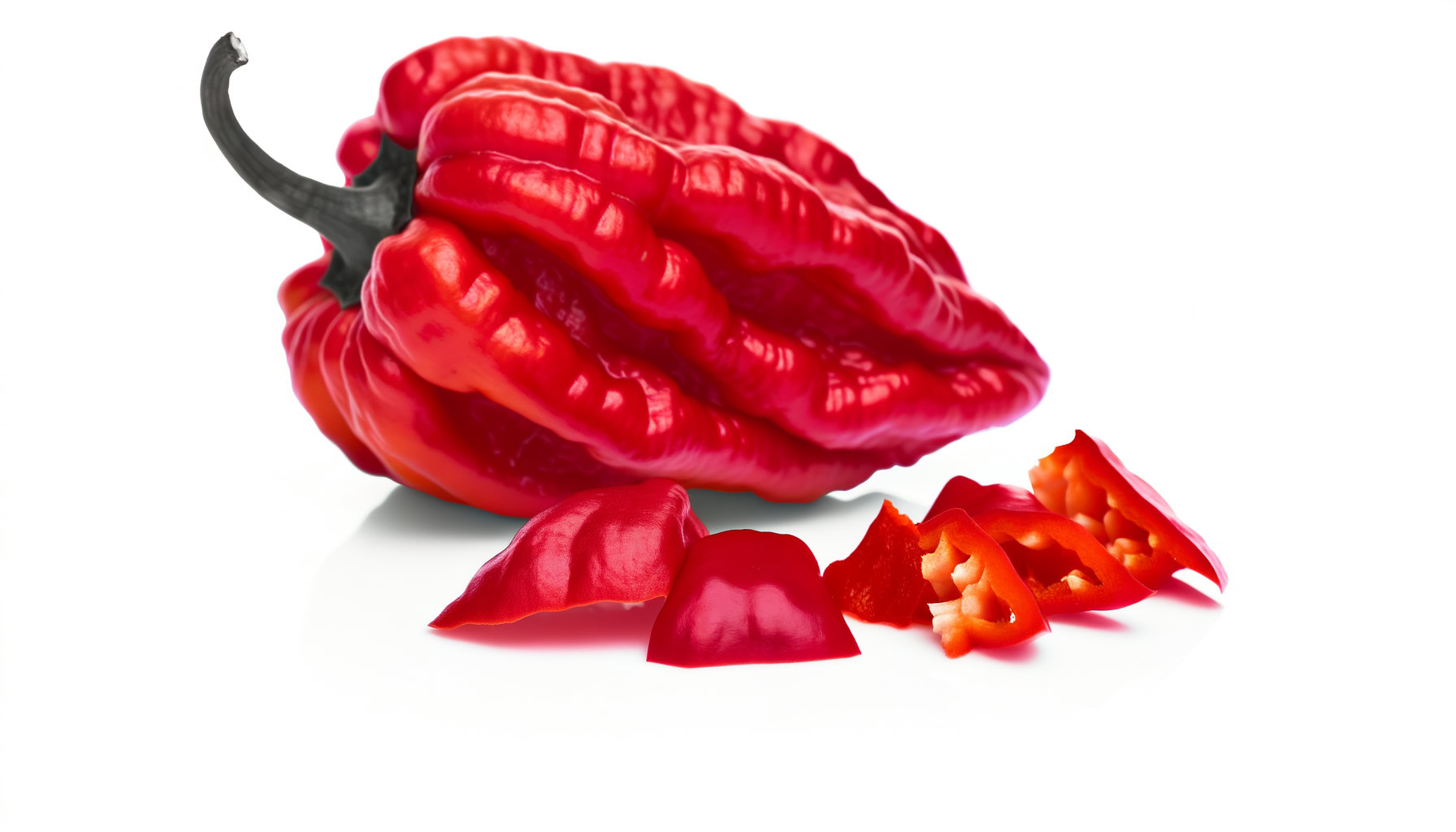
Carolina Reaper
Capsicum chinense
Sensory Profile
Tastes
Basic flavor profiles
Aromas
Scent characteristics
Stimuli
Sensory sensations
Textures
Physical properties
About Carolina Reaper
Carolina Reaper (Capsicum chinense), a member of the Solanaceae family, is renowned for its extraordinary heat, boasting an average Scoville rating of over 1.6 million SHU, with some individual peppers exceeding 2.2 million SHU. Its sensory profile is striking; the initial burst of sweetness is often accompanied by fruity undertones reminiscent of cherry and citrus, followed by a slow-building, intense heat that lingers on the palate, creating a complex flavor experience. The aroma is pungent and slightly smoky, with hints of earthiness that can enhance the overall sensory appeal of dishes. The texture of the Carolina Reaper is smooth and glossy, making it suitable for both fresh applications and as a dried spice. In culinary applications, the Carolina Reaper shines in iconic dishes such as spicy salsas, where its heat can elevate the freshness of tomatoes and cilantro, creating a vibrant contrast. It is also a key ingredient in hot sauces, where the fermentation process not only mellows its aggressive heat but also develops deeper, umami-rich flavors through the breakdown of proteins and sugars, enhancing the overall complexity of the sauce. Additionally, it can be used in chili con carne, where the heat interacts with the fats in meat, creating a rich mouthfeel and amplifying the dish's savory notes. Originating from the South Carolina region, the Carolina Reaper was developed by Ed Currie of the PuckerButt Pepper Company, who cultivated it through selective breeding of various Capsicum chinense varieties. This pepper has become a cultural icon in the realm of extreme cuisine, often featured in competitive eating challenges and culinary festivals that celebrate heat and flavor. Traditional production methods include hand-harvesting and careful drying processes that preserve its unique flavor profile while ensuring optimal heat levels. What sets the Carolina Reaper apart is not only its unparalleled heat but also its complex chemical composition, which includes capsaicin and other pungent compounds that interact with the body's pain receptors, creating a unique sensory experience. Its ability to enhance and transform dishes, coupled with its cultural significance in spicy food communities, makes the Carolina Reaper a fascinating ingredient for chefs and culinary enthusiasts alike.
Associated health effects(48)
- Capsaicin-Induced Appetite Suppression
- Capsaicin-Induced Sensory Burning
- Beta-Carotene Source
- Micronutrient Density
- Vitamin C Content Support
- Capsaicin-Induced Gastrointestinal Aggravation
- Capsaicin Overexposure Syndrome
- Cardiovascular Protection
- Adipogenesis Suppression
- Antioxidant
- Capsaicinoid-Mediated LDL Cholesterol Reduction
- Cardiovascular Health
- Mood and Reward Pathway Stimulation
- Analgesic Activity
- Gastric Juice Secretion Stimulation
- Gut Microbiota Modulation via Capsaicin
- Nutritional Advantages
- Cancer-Preventive
- Pain Relief
- Skin Irritation Burns and Blisters
- Quercetin and Rutin Flavonoid Support
- Capsaicin-Induced Pain Relief
- Digestive Stimulation
- Immune Booster
- Digestive Enzyme Stimulation
- Capsaicin-Induced LDL Oxidation Reduction
- Mood Enhancement
- Capsaicin-Induced Thermogenesis
- At-Risk Populations
- Capsaicin-Induced Gastroprotection
- Reversible Cerebral Vasoconstriction Syndrome
- All-Cause Mortality Reduction
- Antioxidant Immunity Support
- Antiscorbutic Activity
- Metabolism Booster
- Digestive Protection
- B Vitamin Nervous System Support
- Acute Capsaicin-Induced Toxicity
- Antimicrobial Activity (Capsaicin-Specific)
- Antibacterial
- Capsaicin-Induced Endothelial Function Enhancement
- Brown Adipose Tissue Activation
- Capsaicin-Induced Gastrointestinal Irritation
- Contact Dermatitis
- Digestive Aid
- Salivary Secretion Stimulation
- Anticancer Potential
- Anti-inflammatory
Nutrition per 100 g(4)
- Energy: 40 kcal
- Protein: 2 g
- Fat: 0.4 g
- Fiber: 1.5 g