
Carotene Sensory Map
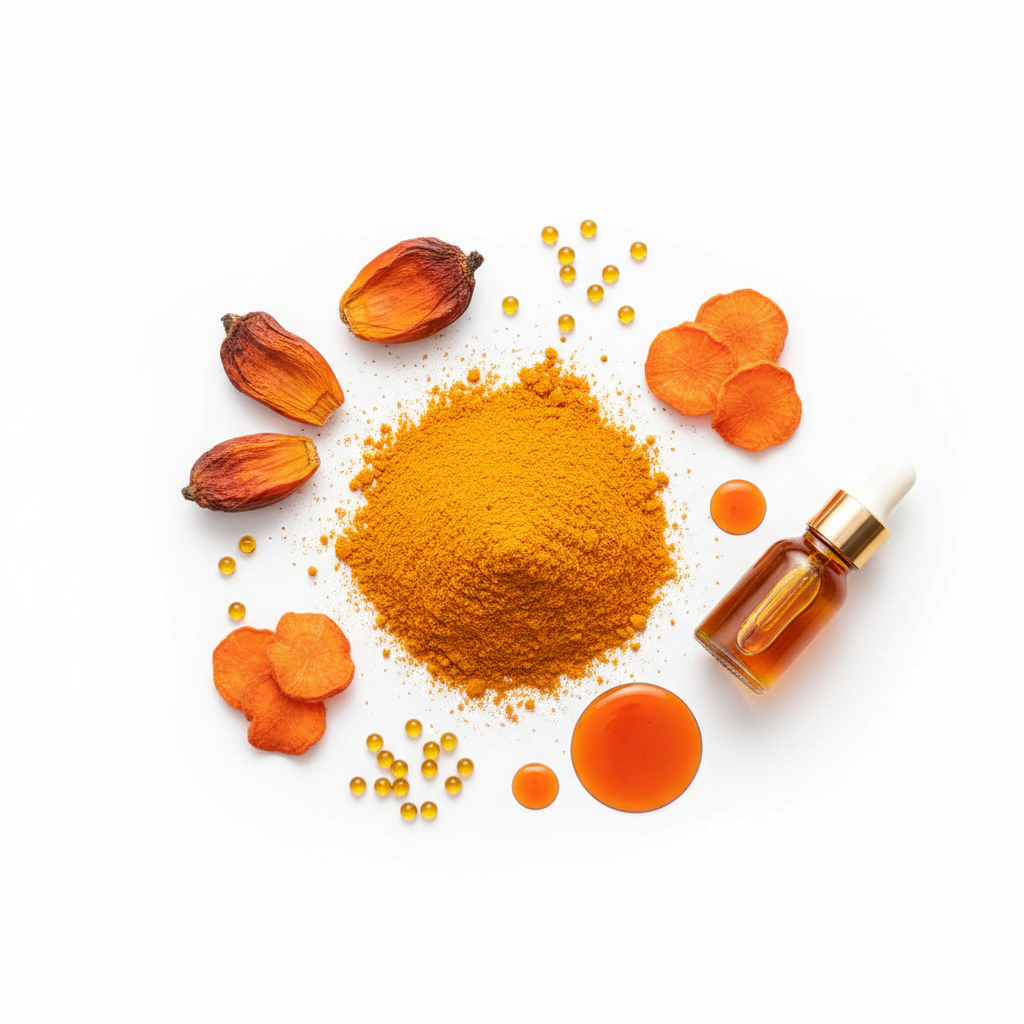
Carotene
Sensory Profile
Tastes
Basic flavor profiles
Aromas
Scent characteristics
Textures
Physical properties
About Carotene
Derived primarily from the lipid-soluble pigments of carrots, algae, or palm fruit, Carotene functions as a potent natural colorant and antioxidant that imparts a vibrant spectrum ranging from soft primrose to deep, saturated amber without altering the structural integrity of the food matrix. While the additive is virtually odorless and flavor-neutral in its purified form, it provides a subtle, earthy sweetness and a characteristic "sun-ripened" visual cue that is essential in the production of high-fat emulsions like traditional Dutch Gouda and artisanal cultured butters. In these dairy applications, carotene mimics the natural seasonal fluctuations of beta-carotene found in grass-fed bovine diets, ensuring a consistent, rich golden hue that consumers associate with high vitamin content and lipid complexity. Beyond aesthetics, carotene is indispensable in the formulation of commercial hollandaise and vegan brioche, where it provides the intense yolk-like saturation necessary to signal richness while protecting sensitive fats from photo-oxidation, thereby extending the shelf life of the lipids. Because it is highly lipophilic, the pigment integrates seamlessly into the fat phase of a recipe, ensuring that the color remains stable during high-heat applications like baking or frying, unlike water-soluble dyes which may bleed or fade.
Associated health effects(13)
- Beta-Carotene Source
- Beta-Carotene-Mediated Vitamin A Support
- Carotenoid-Mediated Vitamin A Provision
- Antioxidant
- Cardiovascular Disease Risk Reduction
- Cancer-Preventive
- Skin Photoprotection
- Carotenemia
- Lung Cancer Risk Elevation from High-Dose Beta-Carotene Supplementation
- Carotenoid Provision
- All-Cause Mortality Reduction
- Carotenoid Eye Protection
- Anti-inflammatory
Nutrition per 100 g(4)
- Energy: 4 kcal
- Protein: 0.1 g
- Fat: 0.5 g
- Fiber: 0 g