
Carp Sensory Map
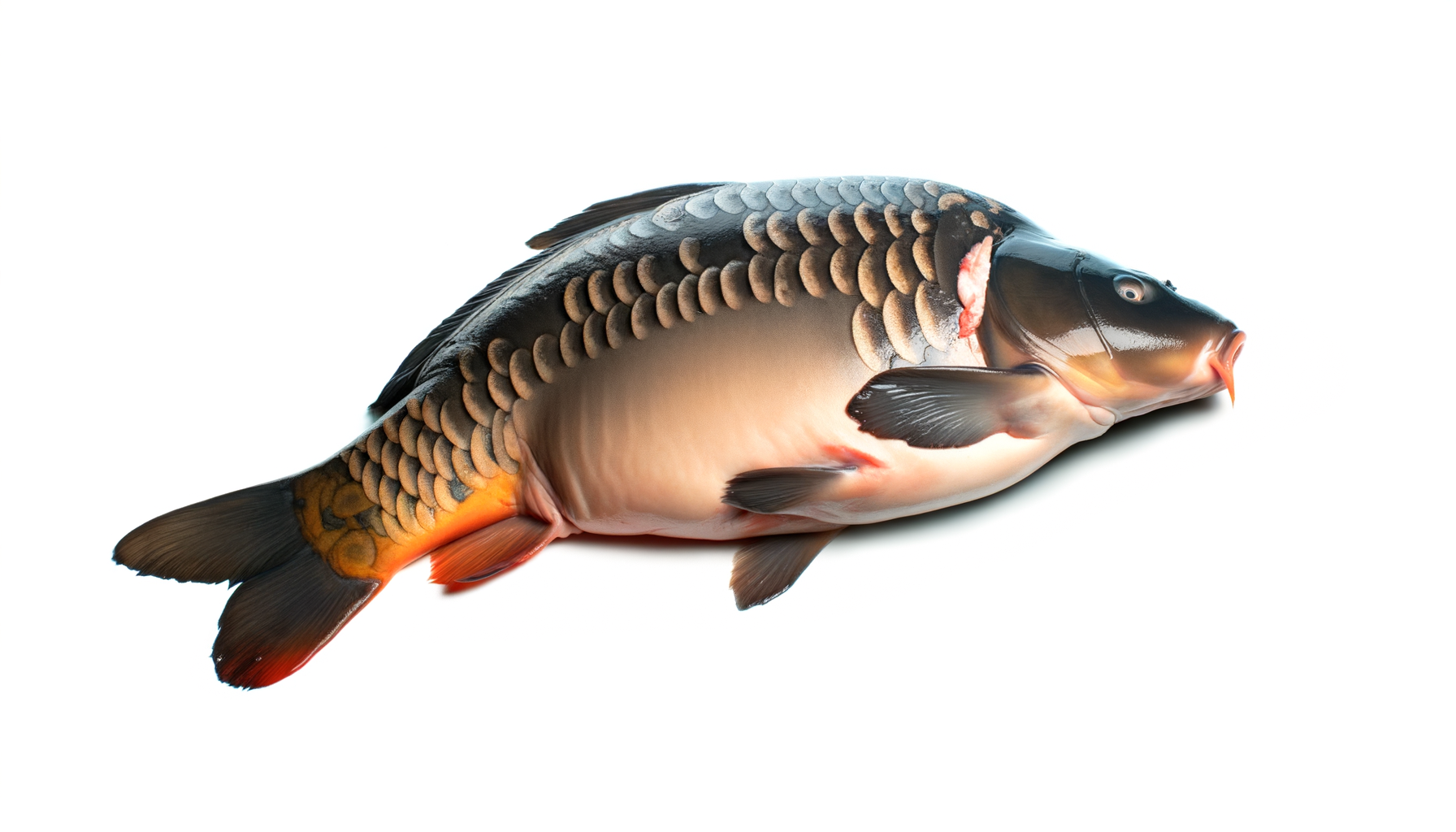
Carp
Cyprinus carpio
Sensory Profile
Tastes
Basic flavor profiles
Aromas
Scent characteristics
Stimuli
Sensory sensations
Textures
Physical properties
About Carp
Carp possesses a mild, slightly sweet flavor with a firm, flaky texture. The taste can vary depending on the water quality and diet of the fish, often described as earthy with a subtle hint of sweetness. When cooked, carp can take on a rich, buttery quality, particularly when prepared using methods that enhance its natural oils. Carp is a versatile ingredient in various cuisines, particularly in Eastern European and Asian dishes. It can be grilled, baked, steamed, or fried, and is often used in soups and stews. In Poland, carp is traditionally served during Christmas Eve dinners, while in Asian cuisine, it is commonly found in dishes such as fish hot pot or as a component in sushi. The flesh can also be smoked or pickled, adding depth and complexity to its flavor profile. Native to Central Asia, carp has been cultivated for thousands of years and is now found in freshwater habitats across the globe. It has been introduced to many countries for aquaculture and sport fishing, making it a staple in various culinary traditions. The fish thrives in warm, shallow waters, often inhabiting lakes, rivers, and ponds. Carp is characterized by its robust body, large scales, and distinctive barbels on either side of its upper jaw. It can grow to significant sizes, making it a popular target for anglers. The fish
Associated health effects(2)
- Antioxidant
- Anti-inflammatory
Nutrition per 100 g(4)
- Energy: 113 kcal
- Protein: 20 g
- Fat: 5 g
- Fiber: 0 g