
Carrot Sensory Map
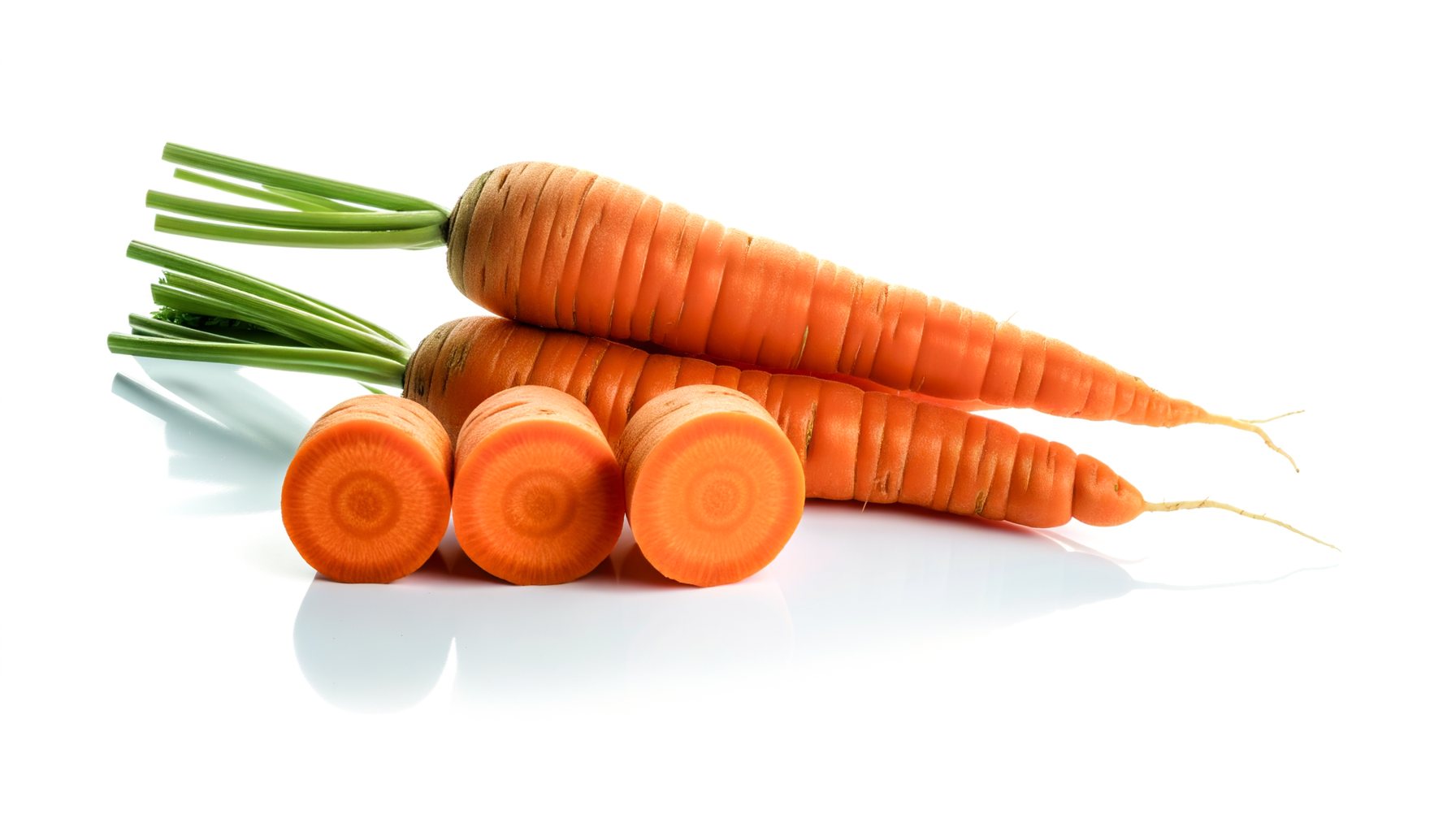
Carrot
Daucus carota
Sensory Profile
Tastes
Basic flavor profiles
Aromas
Scent characteristics
Stimuli
Sensory sensations
Textures
Physical properties
About Carrot
Carrots possess a subtly sweet and earthy flavor with a hint of natural bitterness, particularly in their green tops. Their sweetness intensifies when cooked, making them versatile for both savory and sweet dishes. Carrots are a staple in various cuisines worldwide. They can be enjoyed raw in salads, grated into slaws, or juiced for a refreshing drink. Cooked, they are often used in soups, stews, and stir-fries, where they add sweetness and texture. Carrots can also be roasted, glazed, or pureed into soups and sauces. In baking, they are a key ingredient in carrot cake, contributing moisture and flavor. The carrot is believed to have originated in Persia (modern-day Iran and Afghanistan) over 5,000 years ago, where it was initially cultivated for its aromatic leaves and seeds rather than its taproot. The orange variety we commonly consume today was developed in the Netherlands in the 17th century, although carrots also come in a range of colors, including purple, yellow, and white. Carrots are characterized by their long, tapering roots and feathery green tops. They are rich in beta-carotene, which converts to vitamin A in the body, making them not only flavorful but also nutritious. The texture of carrots is crisp when raw and tender when cooked, adding a satisfying crunch or softness
Associated health effects(28)
- Blood Pressure Support
- Beta-Carotene Source
- Antioxidant
- Allergic Reactions
- Nephroprotection
- Wound Healing
- Cancer-Preventive
- Antifungal
- Liver Support
- Blood Sugar Support
- Blood Sugar Regulation
- Carotenemia
- Immune Booster
- Pesticide Residue Exposure
- Vision Protection
- Hepatoprotection
- Dietary Fiber
- Skin Health
- Cholesterol Management
- Carotenoid Eye Protection
- Weight Management
- Antibacterial
- Heart Health
- Digestive Aid
- Vitamin A Source
- Digestive Health
- Anticancer Potential
- Anti-inflammatory
Nutrition per 100 g(4)
- Energy: 41 kcal
- Protein: 0.9 g
- Fat: 0.2 g
- Fiber: 2.8 g