
Cashew Sensory Map
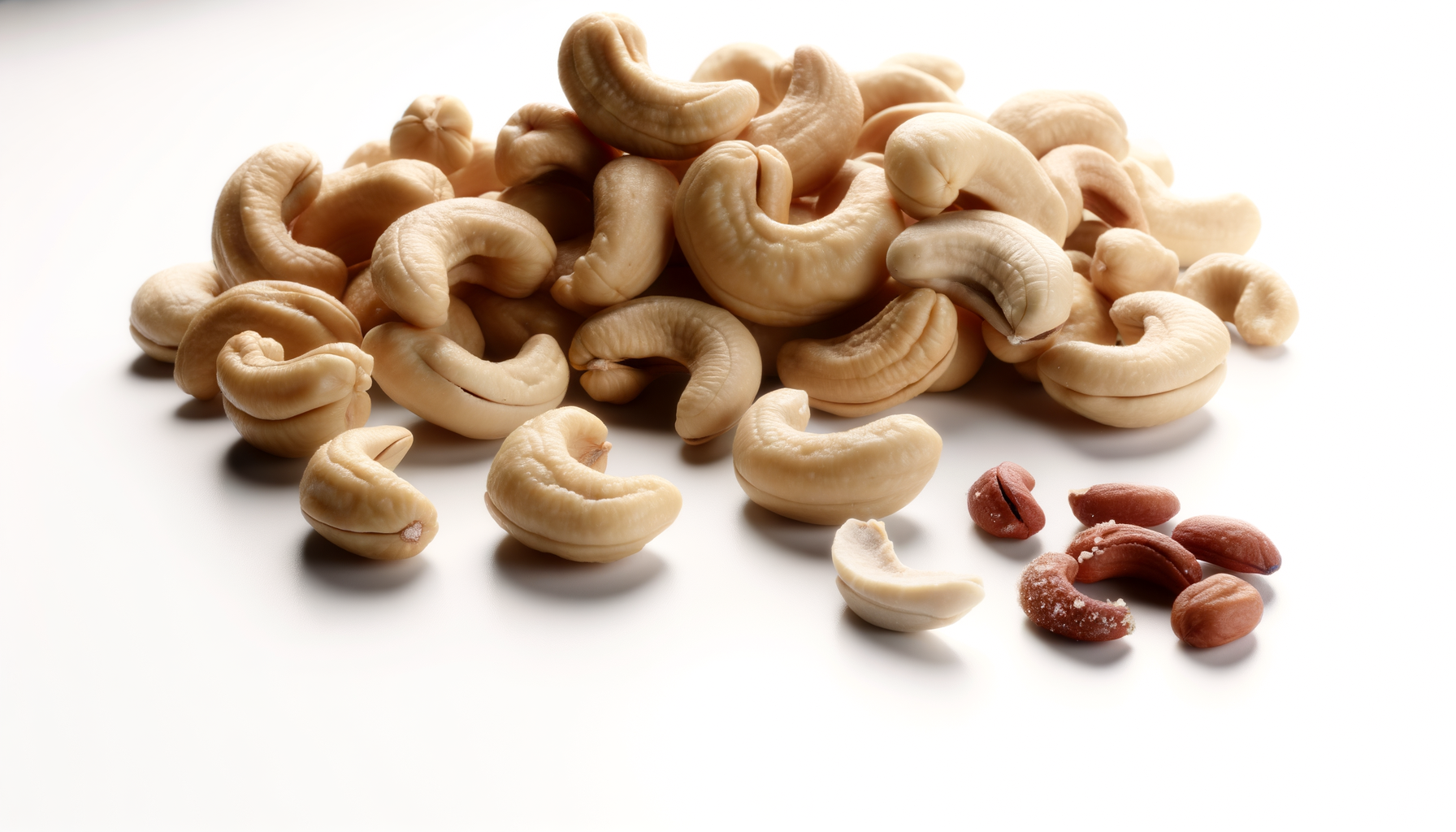
Cashew
Anacardium orientale
Sensory Profile
Tastes
Basic flavor profiles
Aromas
Scent characteristics
Stimuli
Sensory sensations
Textures
Physical properties
About Cashew
Cashews boast a rich, buttery flavor with a subtly sweet undertone and a creamy texture. Their mild taste allows them to complement both sweet and savory dishes, making them a versatile ingredient in various culinary applications. Cashews are widely used in both whole and ground forms. Whole cashews are often roasted and salted for snacking, added to trail mixes, or used as a topping for salads and stir-fries. Ground cashew nuts are commonly used to create creamy sauces, vegan cheese, and desserts, such as cashew cream or dairy-free ice cream. In Indian cuisine, cashews are integral to dishes like korma and are often used in sweets like kaju katli. Native to Brazil, the cashew tree is now cultivated in tropical regions around the world, including India, Vietnam, and Africa. The nut is actually the seed of the cashew apple, a fleshy fruit that is also edible but less commonly consumed. Cashews are unique not only for their flavor but also for their nutritional profile, being rich in healthy fats, protein, and essential minerals such as magnesium and zinc. They are also notable for their low glycemic index, making them a suitable option for those monitoring blood sugar levels. The cashew shell contains toxic compounds, which necessitate careful processing to ensure safety before consumption. This distinctive feature
Associated health effects(41)
- Zinc
- Coronary heart disease risk reduction
- Micronutrient Density
- Kidney Stress
- Copper
- Antioxidant
- Allergic Reactions
- Cardiovascular Health
- Dose-Dependent Effects
- Blood Pressure Reduction
- Gut Microbiota Modulation
- Blood Cholesterol Reduction
- Urushiol Toxicity
- Blood Sugar Support
- Vitamin K Source
- Oxalate Content
- Satiety Modulation
- Antidiabetic Activity
- Blood Sugar Regulation
- High Caloric Density
- Polyphenol-Mediated Antioxidant Activity
- Iron Content Support
- Mineral Content
- Dietary Fiber
- Interaction with Medications
- Monounsaturated Fatty Acid Support
- Bone Health
- Cholesterol Management
- All-Cause Mortality Reduction
- Protein Content
- Weight Management
- LDL Cholesterol Reduction
- Atrial fibrillation risk reduction
- Vitamin B6 Nervous System Support
- Potassium
- Triglyceride Reduction
- Weight Gain
- Gastrointestinal Distress
- Heart Health
- Magnesium
- Anti-inflammatory
Nutrition per 100 g(4)
- Energy: 553 kcal
- Protein: 18.22 g
- Fat: 43.85 g
- Fiber: 3.3 g