
Cauliflower Sensory Map
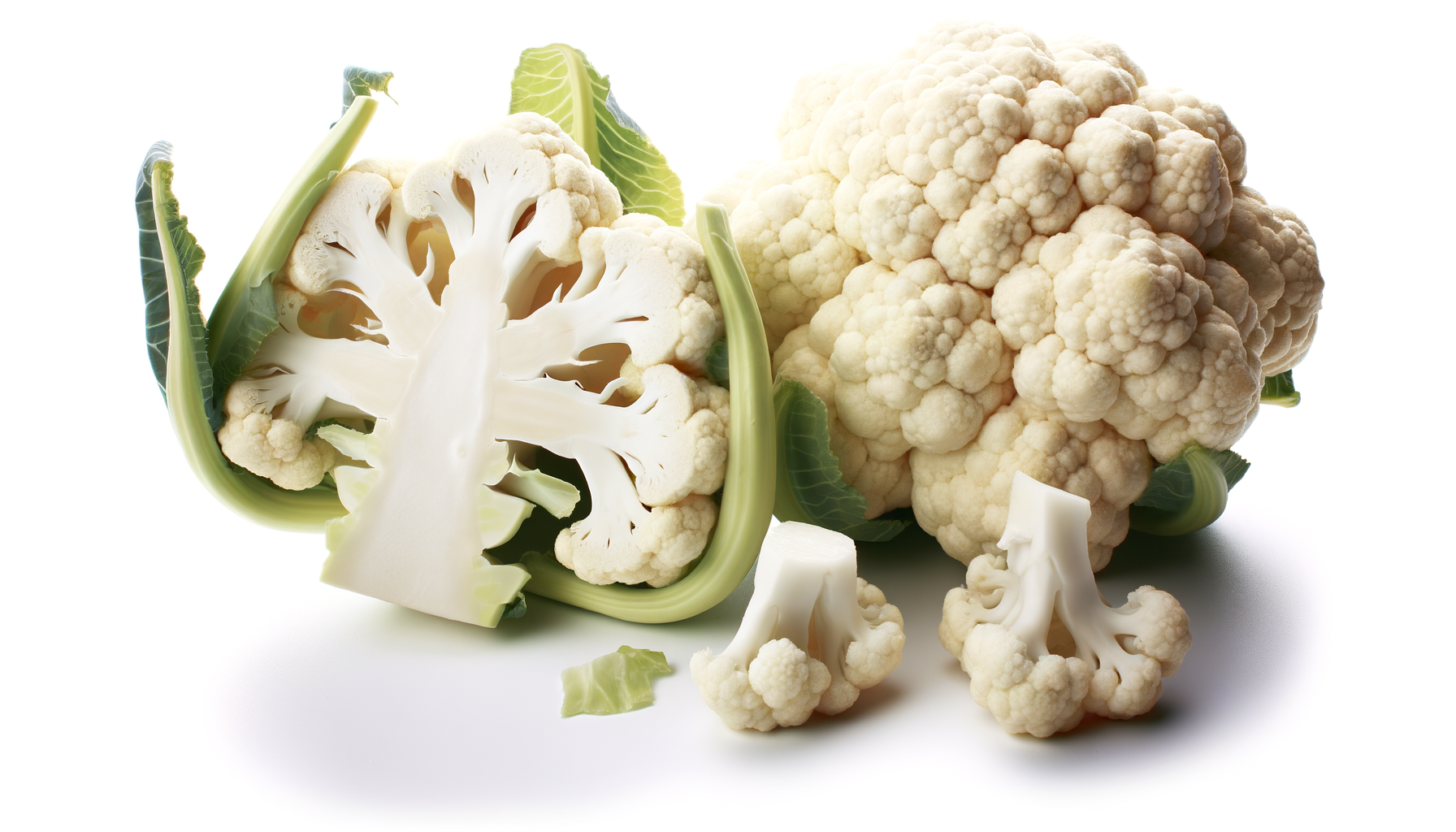
Cauliflower
Brassica oleracea var. botrytis
Sensory Profile
Tastes
Basic flavor profiles
Aromas
Scent characteristics
Stimuli
Sensory sensations
Textures
Physical properties
About Cauliflower
Cauliflower boasts a mild, slightly nutty flavor with a subtle sweetness and a creamy texture when cooked. Its taste is versatile, allowing it to absorb and complement a wide range of seasonings and ingredients. This cruciferous vegetable is incredibly versatile in the kitchen. It can be enjoyed raw in salads and crudités, steamed, roasted, or sautéed as a side dish. Cauliflower is also a popular low-carb substitute for grains and legumes, often used to create cauliflower rice, pizza crusts, and mash. Additionally, it can be incorporated into soups, casseroles, and stir-fries, making it a staple in both vegetarian and omnivorous diets. Cauliflower is believed to have originated in the Mediterranean region, specifically in Cyprus, where it was cultivated as early as the 6th century. It spread throughout Europe and Asia, becoming a significant crop in various cuisines. Today, it is grown worldwide, with major producers including China, India, and the United States. Cauliflower is characterized by its dense, white curds, which are actually undeveloped flower buds. It comes in various colors, including purple, orange, and green, each offering unique visual appeal and slight variations in flavor. Rich in vitamins C and K, fiber, and antioxidants, cauliflower is not only a culinary delight but also a
Associated health effects(33)
- Isothiocyanate-Mediated Anticancer Activity
- Sulforaphane-Mediated Neuroprotection
- Flatulence and Bloating
- Vitamin K/Warfarin Interaction
- Cardiovascular Protection
- Antioxidant
- Allergic Reactions
- Cardiovascular Health
- Glucosinolate-Mediated Hormone Modulation
- Goitrogenic Activity
- Folate Source
- Nutritional Advantages
- Cancer-Preventive
- Liver Support
- Glucosinolate-Mediated Colorectal Cancer Risk Reduction
- Immune Booster
- Immune Modulation
- Vision Protection
- Folate-Linked Neural Tube Defect Prevention
- Digestive Irritation
- No Evidence of Toxicity, Heavy Metals, or Contaminants
- Dietary Fiber
- Prebiotic Fiber-Mediated Gut Microbiota Improvement
- Bone Health
- Weight Management
- Choline Content Support
- Heart Health
- Digestive Aid
- Glucosinolate-Mediated Detoxification Support
- Digestive Health
- Anticancer Potential
- Anti-inflammatory
- Thyroid Function Interference
Nutrition per 100 g(4)
- Energy: 25 kcal
- Protein: 1.92 g
- Fat: 0.3 g
- Fiber: 2 g