
Cayenne Pepper Sensory Map
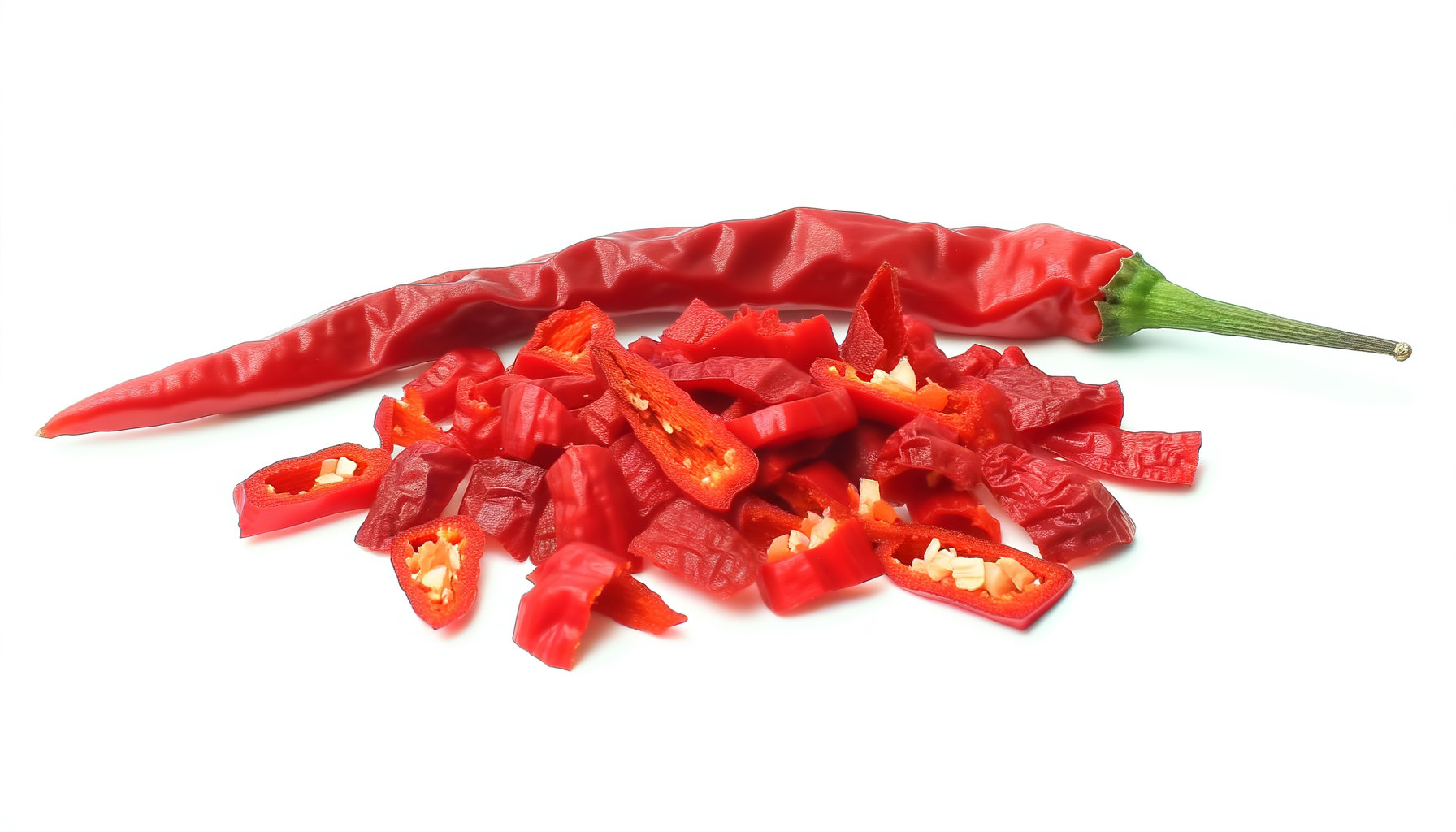
Cayenne Pepper
Capsicum annuum
Sensory Profile
Tastes
Basic flavor profiles
Aromas
Scent characteristics
Stimuli
Sensory sensations
Textures
Physical properties
About Cayenne Pepper
Cayenne Pepper (Capsicum annuum), a member of the Solanaceae family, is renowned for its vibrant red hue and intense heat, typically ranging from 30,000 to 50,000 Scoville Heat Units. Its flavor profile is characterized by a sharp, piquant heat that is complemented by subtle notes of earthiness and a faint hint of sweetness, while its aroma is both pungent and slightly fruity, evoking the essence of sun-ripened peppers. The texture is fine and powdery, allowing it to seamlessly integrate into various culinary applications without altering the mouthfeel of dishes. In classic dishes such as Cajun Jambalaya, the heat of cayenne pepper elevates the dish by enhancing the umami of the meats and the sweetness of the vegetables, creating a harmonious balance that excites the palate. Similarly, in Mexican mole sauces, cayenne contributes both heat and depth, interacting with chocolate and spices to create complex flavor layers through the Maillard reaction during cooking. Its role in these dishes is not merely to add heat but to enhance the overall flavor profile, showcasing its ability to interact with other ingredients on a molecular level. Cayenne pepper is primarily cultivated in regions with warm climates, such as Mexico, India, and the southern United States, where it holds cultural significance, particularly in Creole and Southwestern cuisines. Traditional production methods often involve sun-drying the peppers before grinding them into a fine powder, a process that concentrates their natural oils and intensifies their flavor. This method not only preserves the vibrant color but also enhances the pungency, making it a staple in spice blends like Cajun seasoning and chili powder. What distinguishes cayenne pepper is its high concentration of capsaicin, the compound responsible for its heat, which also possesses anti-inflammatory properties and can stimulate metabolism. Unlike many spices, cayenne does not lose its potency with age; rather, it can develop a deeper, more complex flavor profile when stored properly, making it a valuable ingredient for chefs looking to add both heat and depth to their culinary creations.
Associated health effects(13)
- Capsaicin-Induced Appetite Suppression
- Antioxidant
- Capsaicin-Induced Pain Relief
- Psoriasis Symptom Relief
- Capsaicin-Induced Thermogenesis
- Capsaicin-Induced Gastroprotection
- Capsaicin-Induced Endothelial Function Enhancement
- Capsaicin-Induced Gastrointestinal Irritation
- Heart Health
- Skin Irritation from Irritant Oils
- Counter-irritant Activity
- Digestive Aid
- Anticancer Potential
Nutrition per 100 g(4)
- Energy: 318 kcal
- Protein: 9 g
- Fat: 17 g
- Fiber: 27 g