
Celeriac Sensory Map
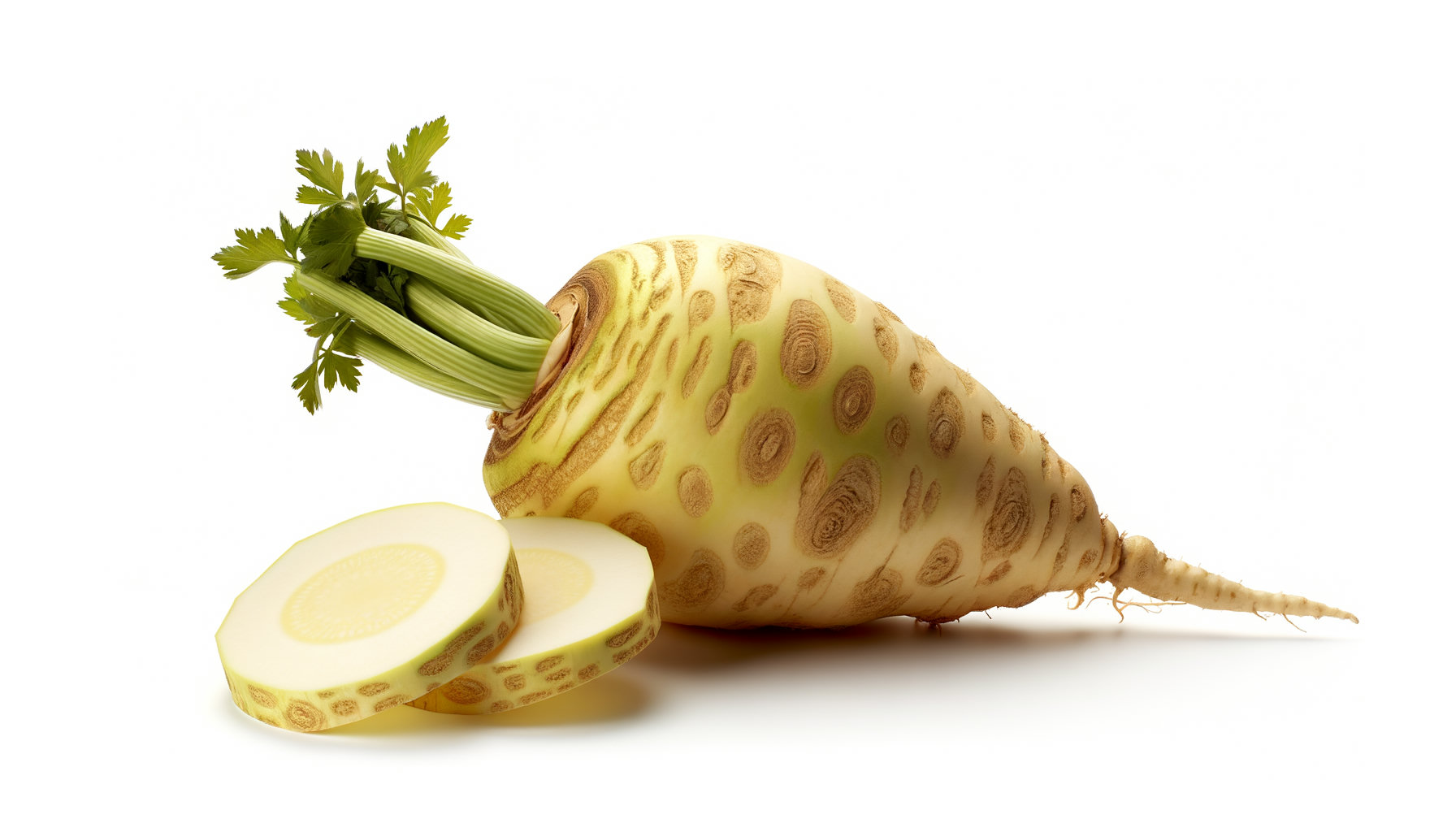
Celeriac
Apium graveolens var. rapaceum
Sensory Profile
Tastes
Basic flavor profiles
Aromas
Scent characteristics
Stimuli
Sensory sensations
Textures
Physical properties
About Celeriac
Celeriac (Apium graveolens var. rapaceum) is a root vegetable with a distinctive, earthy flavor profile that combines the subtle sweetness of celery with a nutty, slightly peppery undertone. Its aroma is reminiscent of fresh, crisp celery, with a hint of herbal complexity that can evoke the scent of a damp forest floor. The texture is firm and dense, offering a satisfying crunch when raw, while becoming creamy and smooth when cooked, making it an excellent candidate for purées and soups. In culinary applications, celeriac shines in classic dishes such as celeriac remoulade, where its crisp texture provides a delightful contrast to the creamy dressing, and in velvety celeriac soup, where its starchiness contributes to a luxurious mouthfeel. The vegetable's high pectin content allows it to gel beautifully, enhancing the body of sauces and soups, while its natural sugars caramelize when roasted, imparting a rich, complex flavor that elevates simple preparations. Originating from the Mediterranean region, celeriac has deep roots in European cuisine, particularly in French and Italian dishes, where it is often celebrated for its ability to enhance the umami profile of a dish. Traditional production methods involve careful cultivation in well-drained soils, allowing the roots to develop their characteristic size and flavor over a long growing season, often harvested in late fall to early winter when they are at their peak sweetness. What sets celeriac apart is its unique ability to absorb and enhance flavors from accompanying ingredients, making it a favorite among chefs looking to create depth in their dishes. Its high water content and fibrous structure allow for effective emulsification in dressings and sauces, while its compatibility with a range of herbs and spices, from thyme to nutmeg, makes it a versatile building block in both rustic and refined culinary creations.
Associated health effects(51)
- Micronutrient Density
- Vitamin C Content Support
- Vitamin K Cardiovascular Protection
- Polyacetylene Antimicrobial Activity
- Vitamin K-Mediated Bone Mineralization Support
- Furanocoumarin-Induced Photosensitivity
- Colonic Cancer Risk Reduction
- Dietary Prebiotic Support
- Drug Interactions
- Flatulence and Bloating
- Cardiovascular Protection
- Antioxidant
- Cardiovascular Health
- Allergy Risk
- Stroke Prevention
- Blood Pressure Reduction
- Blood Sugar Support
- Stroke Risk Reduction
- Appetite Reduction via Fiber-Induced Satiety
- Low Caloric Density
- Vitamin K Source
- Blood Sugar Regulation
- Immune Booster
- Dietary Nitrate-Mediated Blood Pressure Reduction
- Nitrate-Induced Vasodilation
- Prebiotic Fiber Support
- Mineral Content
- Hepatoprotection
- Dietary Fiber
- Allergic Reaction Risk
- Vitamin K Content Support
- Bone Health
- Prebiotic Support
- Antioxidant Polyphenol Provision
- Manganese
- Weight Management
- Potassium
- Fiber Content
- Nitrate-Induced Blood Pressure Reduction
- Immune Function
- Digestive Prebiotic Support
- Heart Health
- Low-Calorie Flavor Support
- Colorectal Cancer Risk Reduction
- Magnesium
- Low FODMAP Tolerance
- Nitrate-Mediated Vasodilation
- Lutein and Zeaxanthin Support
- Digestive Health
- Anticancer Potential
- Anti-inflammatory
Nutrition per 100 g(4)
- Energy: 42 kcal
- Protein: 1.5 g
- Fat: 0.3 g
- Fiber: 1.8 g