
Celery Sensory Map
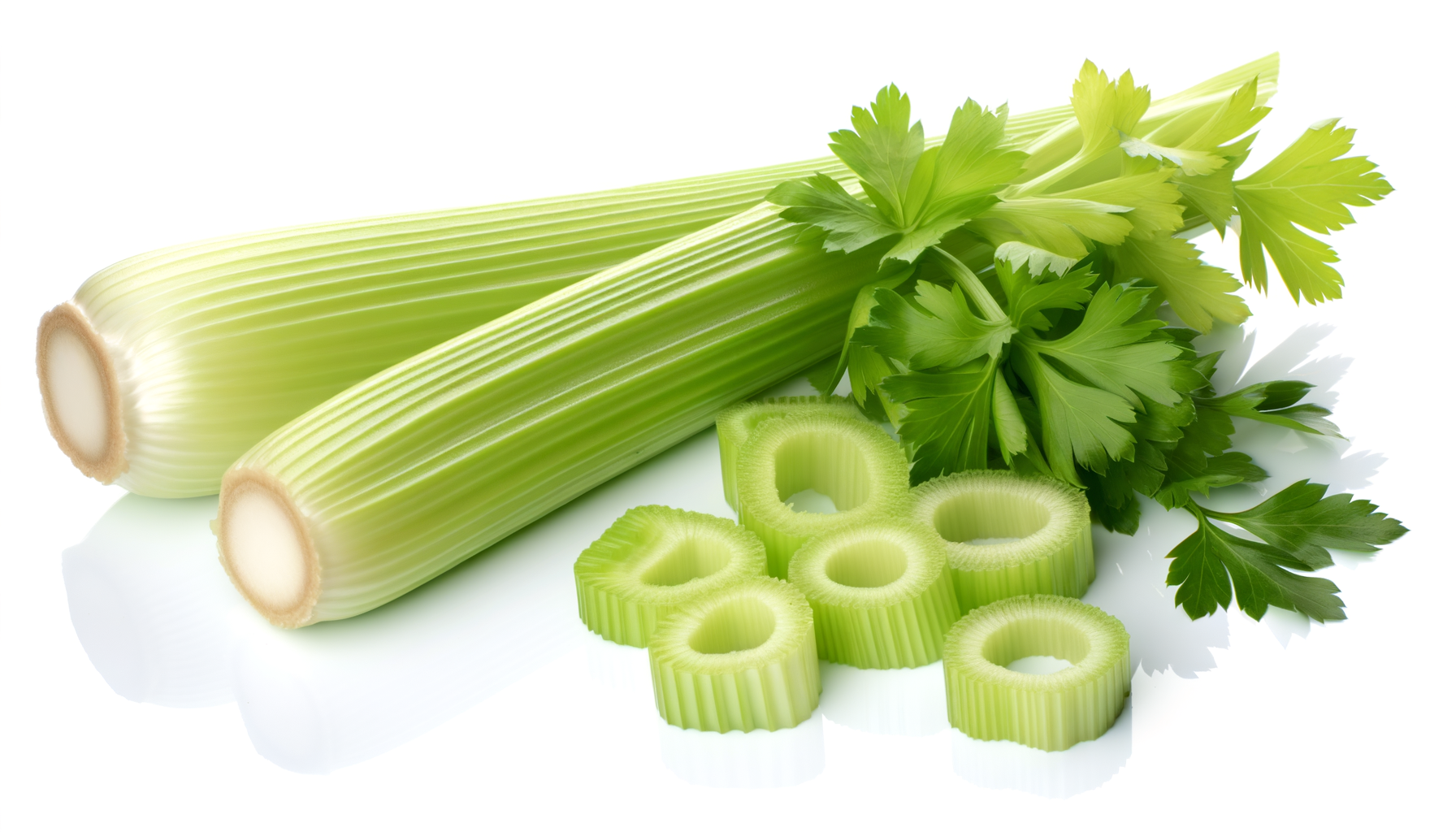
Celery
Apium graveolens
Sensory Profile
Tastes
Basic flavor profiles
Aromas
Scent characteristics
Stimuli
Sensory sensations
Textures
Physical properties
About Celery
Celery offers a crisp, refreshing taste with a subtle earthiness and a hint of bitterness. Its flavor is often described as mildly herbaceous, with a slight peppery note that enhances its versatility in various dishes. Celery is a staple in many cuisines around the world, often used as a foundational ingredient in mirepoix—a mixture of onions, carrots, and celery that forms the base for soups, stews, and sauces. It can be enjoyed raw in salads, as a crunchy snack, or as a garnish. Celery leaves are also edible and can be used to add flavor to salads, pestos, and as a herb in cooking. Additionally, celery seeds are used as a spice, imparting a concentrated celery flavor to pickles, dressings, and spice blends. Celery is believed to have originated in the Mediterranean region, particularly in areas of Southern Europe and North Africa. It has been cultivated since antiquity, with references to its use dating back to ancient Egypt and Greece. Over centuries, various cultivars have been developed, leading to the common stalk celery we know today, as well as varieties like celeriac (root celery). Celery is characterized by its long, fibrous stalks that are typically pale green to bright green in color. The plant can grow up to 3 feet tall and features feathery
Associated health effects(9)
- Blood Pressure Support
- Antioxidant
- Allergic Reactions
- Photosensitivity
- Bone Health
- Cholesterol Management
- Heart Health
- Digestive Aid
- Anti-inflammatory
Nutrition per 100 g(4)
- Energy: 16 kcal
- Protein: 0.7 g
- Fat: 0.2 g
- Fiber: 1.6 g