
Celery Seed Sensory Map
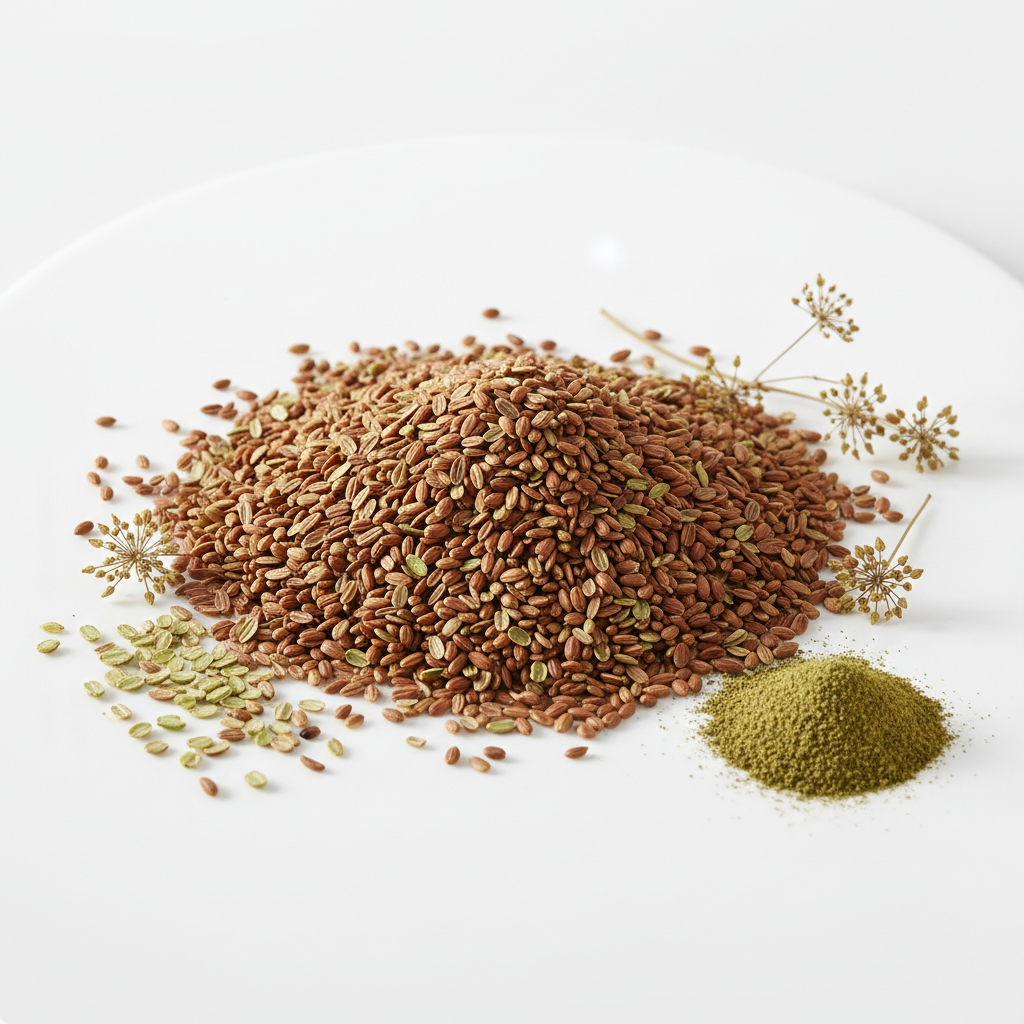
Celery Seed
Apium graveolens
Sensory Profile
Tastes
Basic flavor profiles
Aromas
Scent characteristics
Stimuli
Sensory sensations
Textures
Physical properties
About Celery Seed
Celery Seed (Apium graveolens) Derived from the dried fruit of the wild celery plant, these minute, ovoid seeds possess a concentrated sensory profile defined by a piercing, savory bitterness and a cooling, camphoraceous aroma reminiscent of concentrated stalks, yet underscored by warm, earthy notes of nutmeg and citrus. Unlike the fresh vegetable, the seeds are rich in the volatile oil **sedanolide**, which provides a potent umami-like depth that acts as a natural flavor enhancer when integrated into the brine of classic Chicago-style hot dogs or the vinegar-based dressings of traditional coleslaw. In these applications, the seeds’ hydrophobic nature allows their aromatic compounds to persist in acidic environments, providing a textural "pop" and a lingering savory finish that cuts through high-fat proteins and heavy mayonnaises. Historically sourced from the Mediterranean and later cultivated extensively in India and France, the seeds are harvested once the umbels turn brown, then threshed and dried to stabilize their high concentration of **limonene** and **pthalides**. What distinguishes celery seed in a professional kitchen is its unique ability to mimic the aromatic complexity of a *mirepoix* in a dry format; when ground, it releases a potent bitterness that balances the sweetness of root vegetables and enhances the saline perception of a dish without the need for excessive sodium.
Associated health effects(9)
- Drug Interactions
- Antioxidant
- Pregnancy-Related Safety Risk
- Blood Pressure Reduction
- Furanocoumarin-Induced Drug Interaction Risk
- Allergic Reaction Risk
- Bleeding Risk
- Triglyceride Reduction
- Blood Glucose Regulation
Nutrition per 100 g(4)
- Energy: 573 kcal
- Protein: 18 g
- Fat: 21.1 g
- Fiber: 4 g