
Ceylon Cinnamon Sensory Map
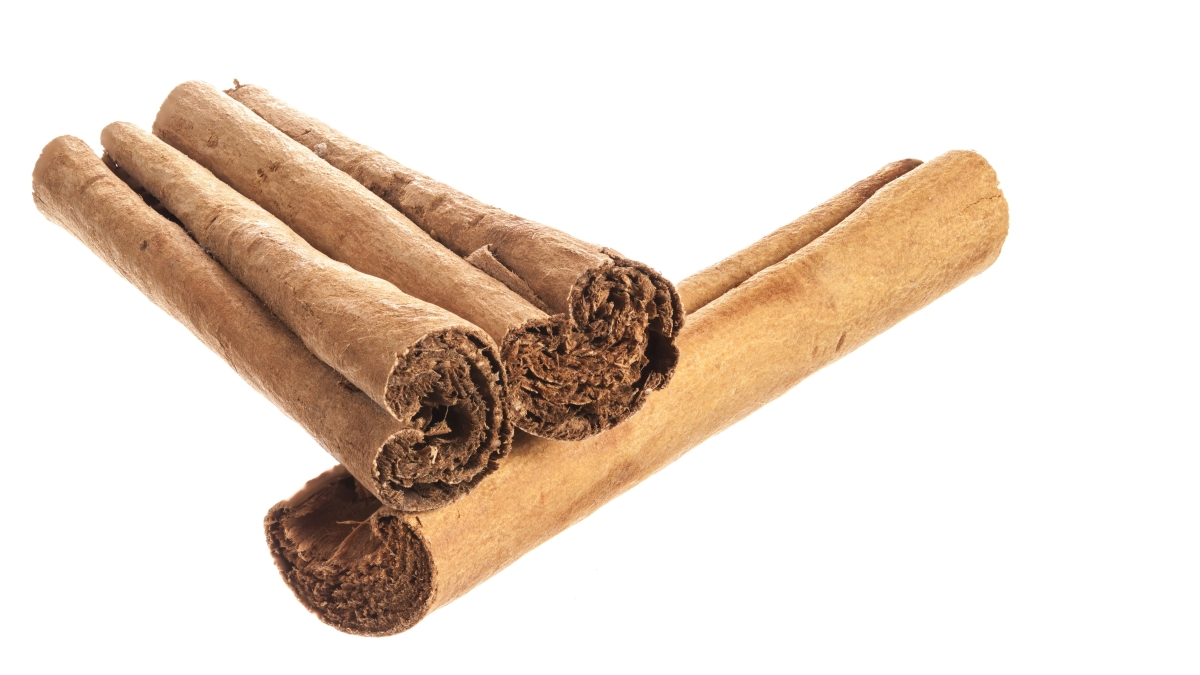
Ceylon Cinnamon
Cinnamomum verum
Sensory Profile
Tastes
Basic flavor profiles
Aromas
Scent characteristics
Stimuli
Sensory sensations
Textures
Physical properties
About Ceylon Cinnamon
Ceylon Cinnamon, also known as True Cinnamon, is renowned for its warm, sweet, and slightly woody flavor, with subtle notes of clove and a hint of citrus. Its aromatic qualities are both comforting and invigorating, making it a versatile spice in both sweet and savory dishes. Cinnamon is a staple in a variety of cuisines worldwide. It is commonly used in baking, enhancing the flavors of pastries, cookies, and cakes, particularly in recipes like cinnamon rolls and apple pie. In savory dishes, it adds depth to curries, stews, and spice blends, such as garam masala. Additionally, it is often infused into beverages like chai tea, hot chocolate, and mulled wine, providing a warm, aromatic experience. Cinnamon is derived from the inner bark of the Cinnamomum verum tree, native to Sri Lanka and parts of Southeast Asia. Often referred to as "true cinnamon," it is distinguished from Cassia cinnamon, which is more commonly found in supermarkets. The cultivation of cinnamon dates back thousands of years, with historical references in ancient Egyptian texts and its use in traditional medicine. True cinnamon is characterized by its thin, soft, and fragile quills, which can be easily broken. It has a lighter brown color compared to Cassia and possesses a sweeter, more delicate flavor. The essential oil of cinnamon contains compounds
Associated health effects(22)
- Blood Pressure Support
- Drug Interactions
- Antioxidant
- Allergic Reactions
- Central Obesity Reduction
- Liver Toxicity
- Alpha-amylase Inhibition
- Cancer-Preventive
- Blood Sugar Support
- Total Cholesterol
- At-Risk Populations
- Interaction with Medications
- Cholesterol Management
- Alpha-glucosidase Inhibition
- HDL Cholesterol
- LDL Cholesterol Reduction
- Antibacterial
- Neuroprotection
- Heart Health
- Digestive Aid
- Anticancer Potential
- Anti-inflammatory
Nutrition per 100 g(4)
- Energy: 247 kcal
- Protein: 4 g
- Fat: 1.2 g
- Fiber: 53.1 g