
Chablis Sensory Map
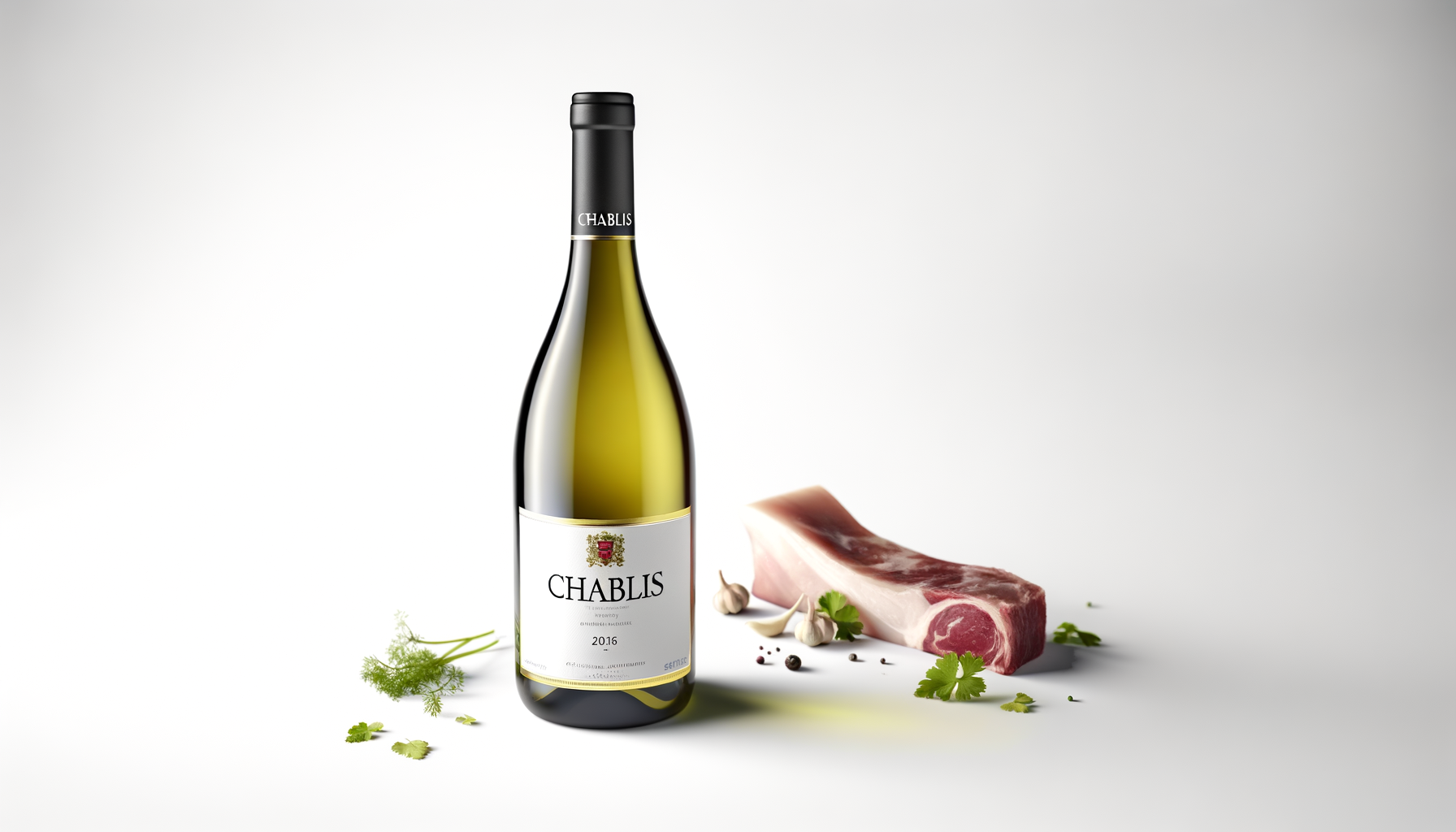
Chablis
Vitis vinifera
Sensory Profile
Tastes
Basic flavor profiles
Aromas
Scent characteristics
Stimuli
Sensory sensations
Textures
Physical properties
About Chablis
Chablis, a renowned white wine produced from the Chardonnay grape, is characterized by its crisp acidity and mineral undertones. The flavor profile typically includes notes of green apple, pear, and citrus, complemented by a distinctive flintiness or "gunflint" quality that is often attributed to the region's unique terroir. This minerality is a hallmark of Chablis wines, setting them apart from other Chardonnay expressions. While Chablis is primarily celebrated as a wine, its culinary applications are diverse. It pairs exceptionally well with seafood, particularly oysters, shellfish, and white fish, enhancing the natural flavors of these dishes. Chefs often use Chablis in sauces, marinades, and reductions to impart its bright acidity and complex flavor. Additionally, it can be utilized in risottos or as a cooking wine for poultry and pork, adding depth and a refreshing finish. Chablis hails from the Chablis region in Burgundy, France, where the cool climate and Kimmeridgian limestone soils contribute to the wine's unique characteristics. The region's winemaking traditions date back to the 12th century, and it has since become synonymous with high-quality Chardonnay. The strict regulations governing production in Chablis ensure that only the finest grapes are used, resulting in wines that reflect the region's heritage and environmental conditions.
Associated health effects(31)
- Mood Alterations
- Sulfite Sensitivity
- Insulin Sensitivity Enhancement
- Polyphenol-Mediated LDL Oxidation Reduction
- Drug Interactions
- Impaired Judgment
- Cardiovascular Protection
- Antioxidant
- Allergic Reactions
- Dose-Dependent Effects
- Acidity-Induced Gastric Irritation
- Silicon Support
- Blood Pressure Reduction
- Liver Toxicity
- Cancer Risk
- HDL Cholesterol Elevation
- Polyphenol Antioxidant Activity (White Wine-Specific)
- Cardiovascular Stress
- Addiction Potential
- Dehydration
- Bone Health
- Caloric Excess
- Cholesterol Management
- Lung Function Support (White Wine)
- Increased Cancer Risk
- Weight Gain
- Neuroprotection
- Heart Health
- Tartaric Acid Gut Modulation
- Sleep Disruption
- Anti-inflammatory
Nutrition per 100 g(4)
- Energy: 83 kcal
- Protein: 0.1 g
- Fat: 0 g
- Fiber: 0 g