
Chamomile Sensory Map
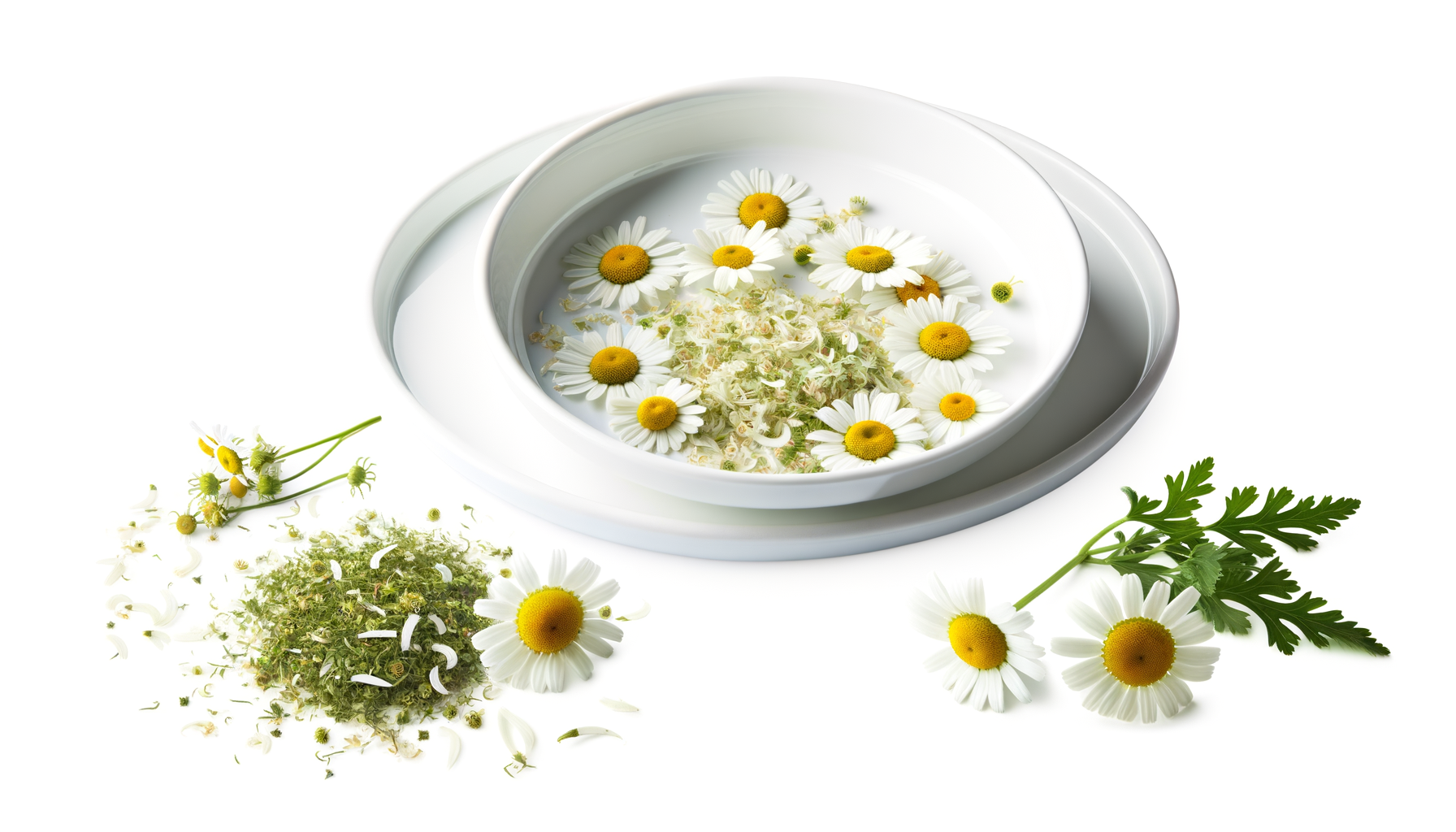
Chamomile
Matricaria chamomilla
Sensory Profile
Tastes
Basic flavor profiles
Aromas
Scent characteristics
Stimuli
Sensory sensations
Textures
Physical properties
About Chamomile
Chamomile boasts a delicate, floral flavor with sweet, apple-like notes and a subtle earthiness. Its soothing aroma is often described as calming and comforting, making it a popular choice for relaxation. Primarily known for its use in herbal teas, chamomile can also be infused into syrups, creams, and desserts. It pairs well with honey, lemon, and other herbs such as mint and lavender. In culinary applications, chamomile can enhance flavor in baked goods, dressings, and even savory dishes, where its gentle sweetness can balance more robust flavors. Chamomile is native to Europe and Western Asia, thriving in temperate climates. It has been cultivated since ancient times, revered by the Egyptians for its medicinal properties and later embraced by various cultures for its calming effects. Chamomile flowers are small, daisy-like blooms with white petals and a yellow center, which are harvested for their aromatic properties. The dried flowers retain their flavor and aroma, making them a staple in herbal remedies and culinary applications. Chamomile is also celebrated for its potential health benefits, including anti-inflammatory and digestive properties, further enhancing its appeal in both culinary and wellness contexts.
Associated health effects(34)
- Menstrual Pain Relief
- Anxiety Relief
- Anti-ulcer Activity
- Oral Plaque and Gingivitis Reduction
- Antioxidant
- Allergic Reactions
- Sleep Quality Enhancement
- Nephroprotection
- IBS Symptom Relief
- Wound Healing
- Cancer-Preventive
- Pain Relief
- Antihypertensive
- Blood Sugar Support
- Blood Sugar Regulation
- Immune Booster
- Mood Enhancement
- Hepatoprotection
- Skin Health
- Antiallergic Activity
- Bone Health
- Nausea Relief
- Stress Relief
- Gastroprotection
- Hypolipidemic Activity
- Anxiolytic Activity
- Osteoporosis Prevention
- Heart Health
- Antiviral
- Digestive Aid
- Anticancer Potential
- Anti-inflammatory
- Sedative Activity
- Carminative
Nutrition per 100 g(4)
- Energy: 121 kcal
- Protein: 3 g
- Fat: 1.2 g
- Fiber: 5 g