
Champagne Vinegar Sensory Map
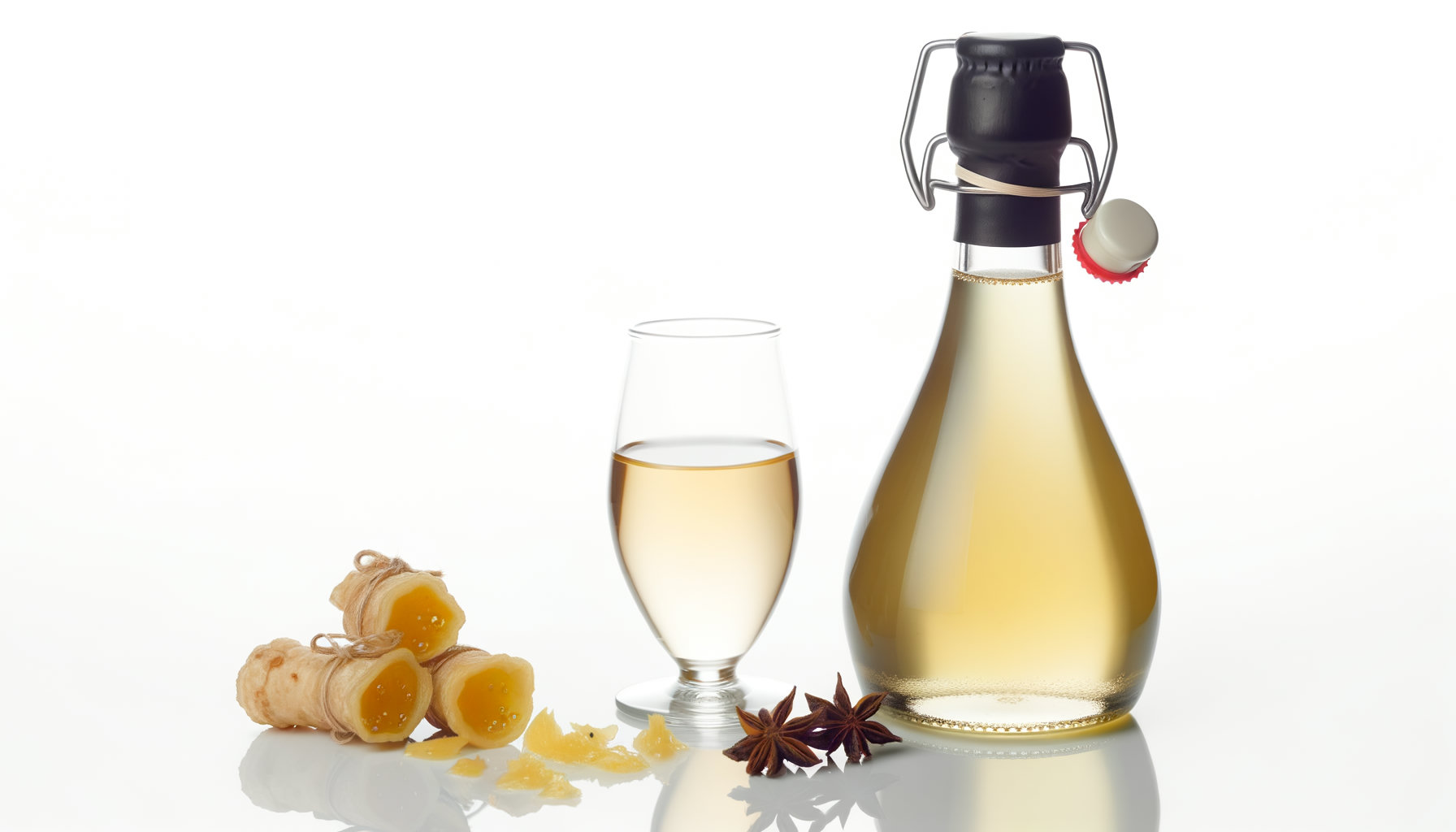
Champagne Vinegar
Acetum campaniae
Sensory Profile
Tastes
Basic flavor profiles
Aromas
Scent characteristics
Stimuli
Sensory sensations
Textures
Physical properties
About Champagne Vinegar
Champagne Vinegar (Acetum campaniae) is a delicately nuanced vinegar that captures the essence of its namesake sparkling wine, offering a bright, crisp acidity with subtle notes of green apple, pear, and a hint of citrus zest. Its aroma is light and effervescent, reminiscent of freshly poured Champagne, while its texture is smooth and slightly viscous, allowing it to coat ingredients without overwhelming them. This vinegar shines in classic French dishes such as vinaigrettes, where it enhances the freshness of salads like the iconic Salade Niçoise, and in sauces like Béarnaise, where its acidity balances the richness of butter and egg yolks, creating a harmonious emulsion. Originating from the Champagne region of France, this vinegar is traditionally produced through a double fermentation process, where high-quality white wine is first converted into alcohol and then into acetic acid, often aged in wooden barrels to develop its complex flavor profile. The unique terroir of the Champagne region, characterized by its chalky soils and cool climate, imparts distinctive mineral notes that elevate the vinegar's culinary applications. What sets Champagne vinegar apart is its lower acidity compared to other vinegars, typically around 5-6%, allowing it to enhance dishes without overpowering them, making it an essential ingredient for chefs seeking to achieve balance and refinement in their culinary creations.
Associated health effects(14)
- Antioxidant
- Alpha-amylase Inhibition
- Blood Sugar Support
- Digestive Irritation
- Dental Erosion
- Cholesterol Management
- Alpha-glucosidase Inhibition
- Weight Management
- HDL Cholesterol
- Antibacterial
- Triglyceride Reduction
- Digestive Aid
- Insulin Sensitivity Support
- Anti-inflammatory
Nutrition per 100 g(4)
- Energy: 4 kcal
- Protein: 0.1 g
- Fat: 0.1 g
- Fiber: 0 g