
Chanterelle Sensory Map
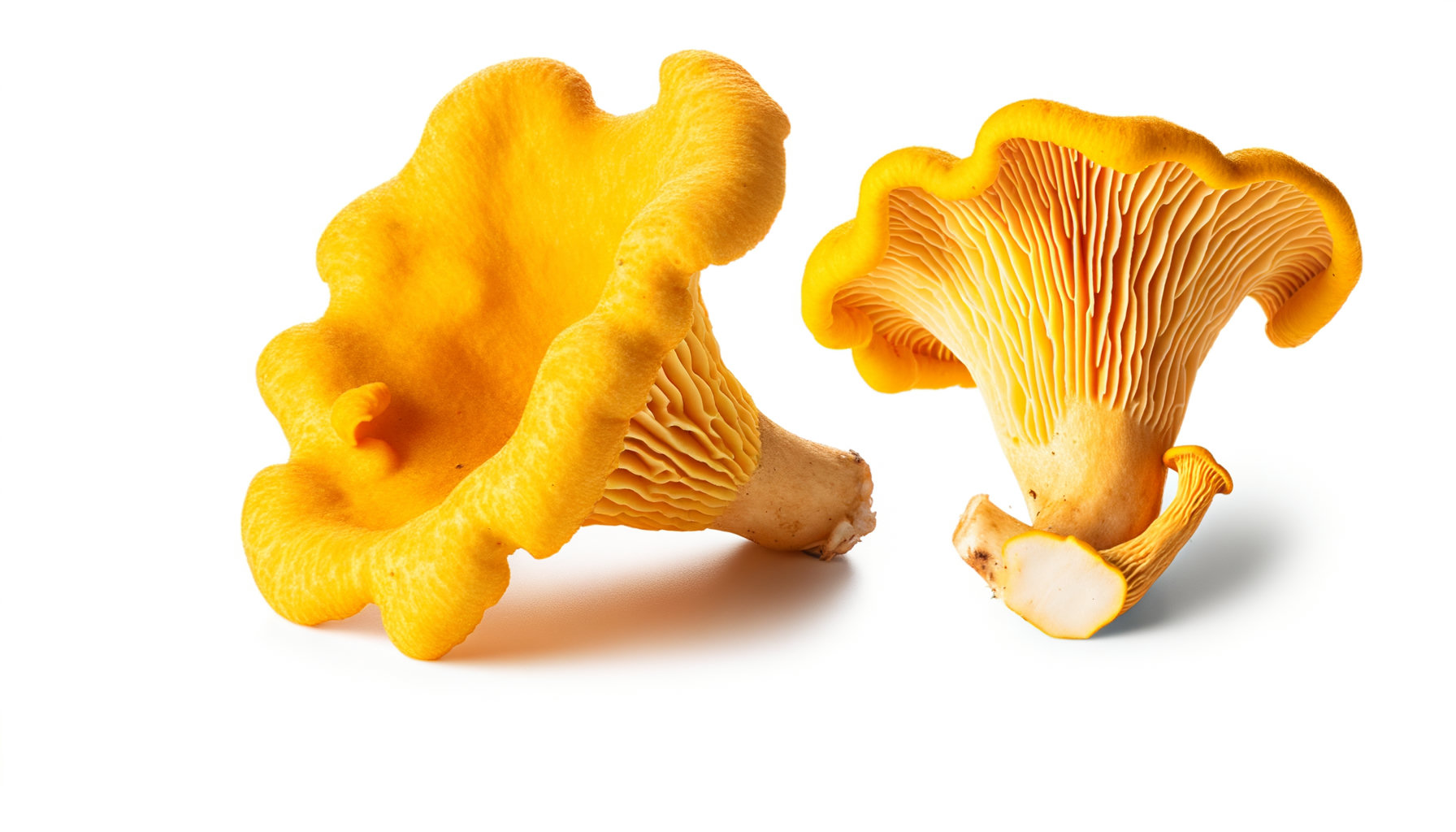
Chanterelle
Cantharellus cibarius
Sensory Profile
Tastes
Basic flavor profiles
Aromas
Scent characteristics
Stimuli
Sensory sensations
Textures
Physical properties
About Chanterelle
Chanterelle (Cantharellus cibarius), a prized member of the Cantharellaceae family, captivates chefs and food enthusiasts alike with its delicate, fruity aroma reminiscent of apricots and a subtle earthiness that evokes the forest floor. The flavor profile is complex, offering a nuanced blend of peppery notes and a slight nuttiness, complemented by a firm yet tender texture that holds up beautifully in various cooking methods. Iconic dishes such as Chanterelle risotto highlight their ability to absorb and enhance the creamy richness of the dish, while sautéed Chanterelles served atop a perfectly seared steak provide a luxurious umami depth that elevates the meat's savory qualities. Originating predominantly from temperate regions of Europe and North America, Chanterelles have deep cultural significance in Scandinavian and French cuisines, often foraged in the wild during late summer to early autumn, which adds an element of seasonal authenticity to dishes. Their unique chemical composition, rich in polysaccharides and vitamins, not only contributes to their distinctive flavor but also allows them to retain moisture and structure during cooking, making them an exceptional ingredient for both sautéing and braising. The Chanterelle's vibrant golden hue and trumpet-like shape further distinguish it, creating visual appeal that enhances plated presentations, while its natural ability to pair harmoniously with herbs like thyme and tarragon makes it a favorite among culinary professionals seeking to create dishes that celebrate the essence of the forest.
Associated health effects(101)
- Blood Pressure Support
- Vitamin D Provision (UV-activated)
- Beta-Glucan Cholesterol Reduction
- Micronutrient Support
- Diet Quality Improvement
- Macular Pigment Density Enhancement
- Chitin Polysaccharide Immune Modulation
- Low Calorie Density
- Beta-Carotene Source
- Micronutrient Density
- Misidentification Risk
- Riboflavin Content Support
- Environmental Contaminant Accumulation Risk
- Selenium Status Improvement
- Mushroom Polysaccharide Immune Modulation
- Selenium Immune Support
- Constipation Relief
- Dietary Prebiotic Support
- Flatulence and Bloating
- Ergothioneine Support
- Antiparasitic Activity
- Copper
- Antioxidant
- Immunomodulatory Activity
- Allergic Reactions
- Cardiovascular Health
- Allergy Risk
- Vitamin D Content Support
- B Vitamin Enrichment
- Gastrointestinal Upset
- Low Sodium Content
- Vitamin D Toxicity
- Blood Pressure Reduction
- Ergosterol Cardiovascular Support
- Nutritional Advantages
- Wound Healing
- Lipid Profile Improvement
- Liver Support
- Low Fat Content
- Appetite Reduction via Fiber-Induced Satiety
- Heavy Metal Contamination Risk
- Low Caloric Density
- Antidiabetic Activity
- Blood Sugar Regulation
- Ergosterol-Related Cholesterol Regulation
- Immune Booster
- Nutrient density and low energy density
- Immune Modulation
- Prebiotic Polysaccharide Support
- Carotenoid Source
- Polysaccharide Anti-fatigue Activity
- Amino Acid Support
- Heavy Metal Accumulation from Wild Foraging
- Wild Mushroom Misidentification Risk
- Foodborne Illness Risk
- Iron Content Support
- No Evidence of Toxicity, Heavy Metals, or Contaminants
- Mineral Content
- Hepatoprotection
- Polysaccharide Immune Modulation
- Dietary Fiber
- Allergic Reaction Risk
- Niacin Content Support
- Bone Health
- Gastrointestinal Discomfort
- Ergosterol Peroxide Anti-inflammatory Activity
- Prebiotic Support
- Cholesterol Management
- Selenium Content Support
- Potassium Content Support
- Antiscorbutic Activity
- Protein Content
- Chanterelle Vitamin D Provision
- Ergothioneine Antioxidant Activity
- Weight Management
- Pantothenic Acid Content Support
- Misidentification Poisoning Risk
- B Vitamin Nervous System Support
- Digestive Upset
- Nervous System and Energy Support
- Mushroom Polysaccharide Gut Prebiotic Support
- Beta-Glucan Prebiotic Support
- Potassium
- Fiber Content
- Misidentification Toxicity Risk
- Radionuclide Detoxification Support
- B-Complex Vitamin Provision
- Copper Content Support
- Misidentification and Toxic Look-Alike Risk
- Culinary Properties
- Immune Function
- Digestive Prebiotic Support
- Heart Health
- Eye Health
- Lipid Metabolism Support
- Mushroom Misidentification Toxicity
- Digestive Aid
- Lutein and Zeaxanthin Support
- Digestive Health
- Anticancer Potential
- Anti-inflammatory
Nutrition per 100 g(4)
- Energy: 35 kcal
- Protein: 1.5 g
- Fat: 0.5 g
- Fiber: 2 g