
Chardonnay Sensory Map
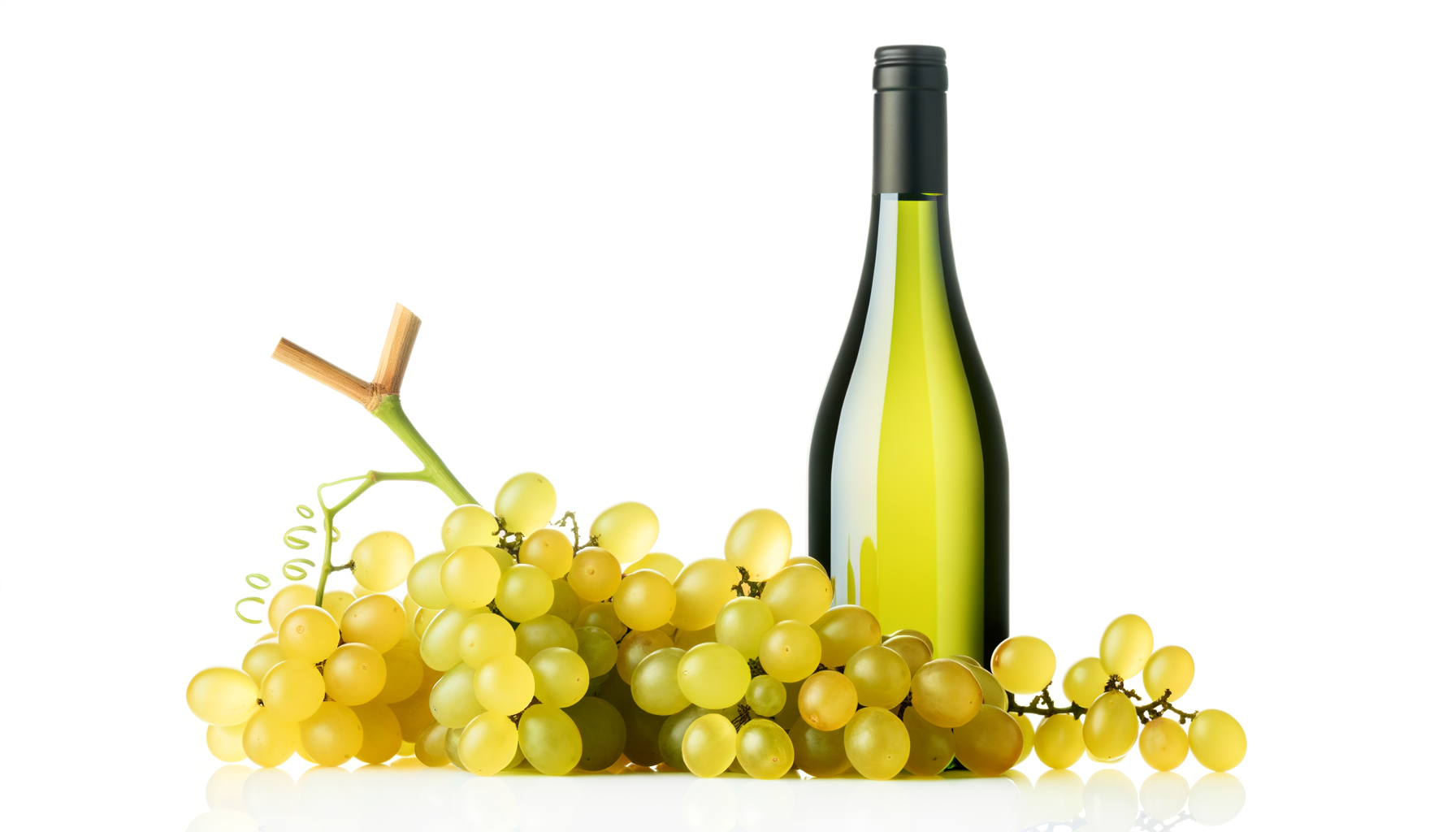
Chardonnay
Vitis vinifera
Sensory Profile
Tastes
Basic flavor profiles
Aromas
Scent characteristics
Stimuli
Sensory sensations
Textures
Physical properties
About Chardonnay
Chardonnay is a versatile grape variety known for its wide-ranging flavor profile, which can include notes of green apple, pear, citrus, and tropical fruits, alongside richer flavors of butter, vanilla, and toast when aged in oak. The wine produced from Chardonnay grapes can vary from crisp and mineral-driven to full-bodied and creamy, depending on the winemaking techniques employed. Chardonnay is primarily used in winemaking, celebrated for its ability to complement a variety of dishes. It pairs exceptionally well with seafood, poultry, and creamy sauces, making it a popular choice for white wine sauces and risottos. The wine’s acidity also enhances dishes like ceviche and light salads, while its fuller-bodied styles can stand up to richer fare such as lobster or roasted chicken. Chardonnay is believed to have originated in the Burgundy region of France, where it has been cultivated for centuries. It thrives in diverse climates and soils, which has allowed it to spread globally, with significant plantings in regions such as California, Australia, and New Zealand. The grape’s adaptability has led to its prominence in both Old World and New World wine production. Chardonnay is characterized by its adaptability to various terroirs, which influences its flavor and aroma profiles. It can be vinified in a range of styles, from sparkling wines like Champagne to still wines that showcase either
Associated health effects(11)
- Antioxidant
- Allergic Reactions
- Liver Toxicity
- Cancer Risk
- Cardiovascular Stress
- Addiction Potential
- Interaction with Medications
- Bone Health
- Neuroprotection
- Anti-inflammatory
- Cognitive Support
Nutrition per 100 g(4)
- Energy: 83 kcal
- Protein: 0.1 g
- Fat: 0 g
- Fiber: 0 g