
Chaste Tree Berry Sensory Map
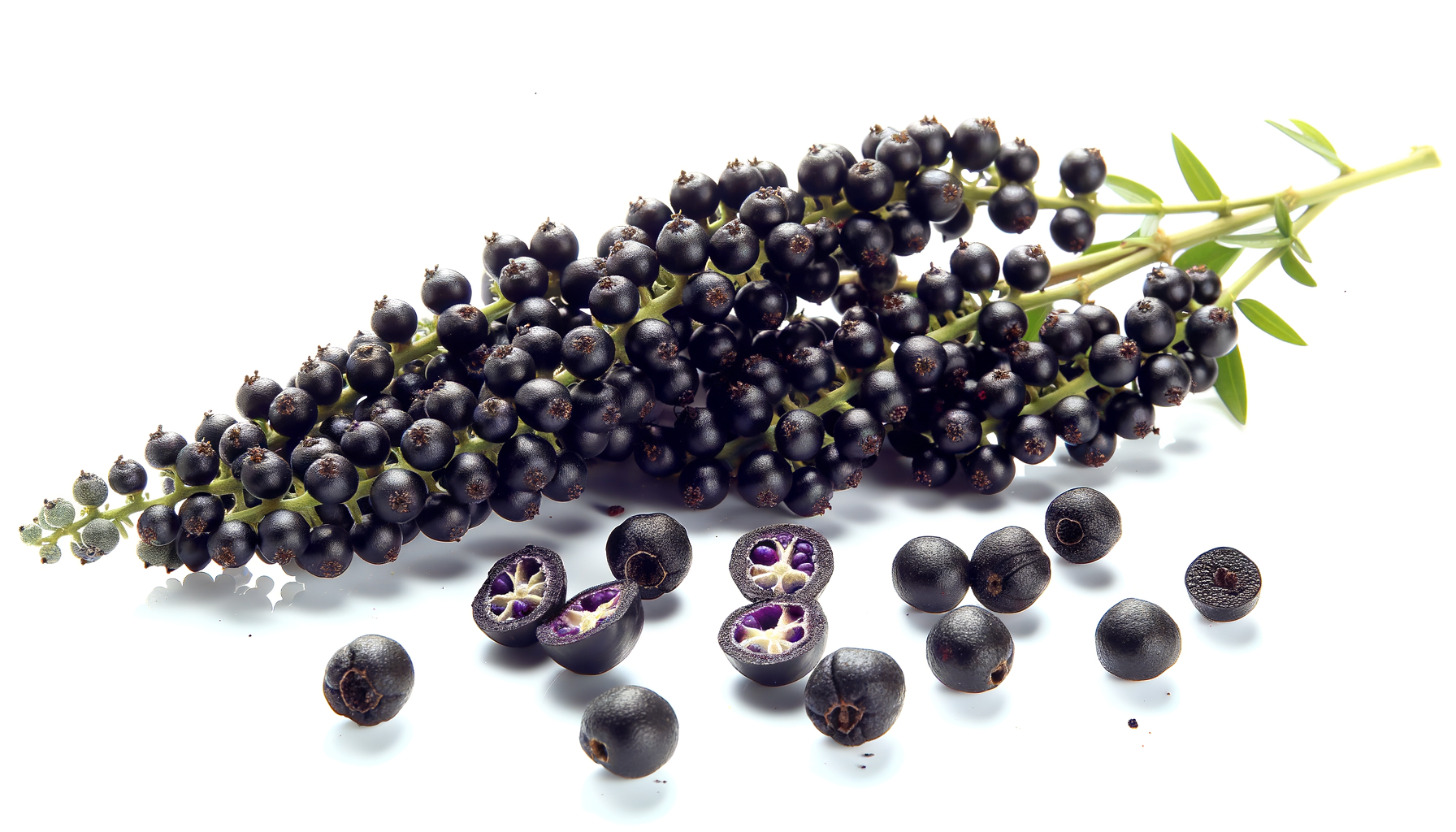
Chaste Tree Berry
Vitex agnus-castus
Sensory Profile
Tastes
Basic flavor profiles
Aromas
Scent characteristics
Stimuli
Sensory sensations
Textures
Physical properties
About Chaste Tree Berry
Chaste Tree Berry, often referred to as Vitex, has a unique flavor that is both peppery and slightly bitter, with hints of astringency. Its aromatic qualities are reminiscent of a blend between black pepper and sage, offering a warm, herbal undertone that can enhance a variety of dishes. Traditionally, Chaste Tree Berries are not commonly used in mainstream cooking but have found their place in herbal medicine and culinary applications in certain cultures. They can be ground into a powder and used sparingly to season meats, stews, and sauces, imparting a subtle warmth. Additionally, they are sometimes used to flavor herbal teas and tinctures, where their medicinal properties can be harnessed. Native to the Mediterranean region, particularly in countries like Greece and Italy, the Chaste Tree is a flowering shrub that thrives in warm climates. Historically, it has been revered since ancient times for its medicinal properties and was used by the Greeks and Romans for various ailments. Chaste Tree Berries are small, dark purple to black drupes that grow in clusters. The plant itself is notable for its aromatic leaves and purple flowers, which attract pollinators. Beyond its culinary applications, Vitex is primarily recognized for its use in herbal medicine, particularly in women's health, where it is believed to help regulate hormonal balance.
Associated health effects(40)
- Bone-Specific Alkaline Phosphatase Enhancement
- Menstrual Support
- Prolactin Reduction
- Pituitary Hormone Modulation
- Menopausal Symptom Modulation
- Drug Interactions
- Potential Additive Hypoglycemia
- Luteal Phase Support
- Antioxidant
- Immunomodulatory Activity
- Allergic Reactions
- Dose-Dependent Effects
- Bone Resorption Inhibition
- Cyclic Mastalgia Relief
- Prolactin Modulation
- Headache Trigger
- Antifungal
- Liver Support
- Galactagogue Activity
- Gynecological Support
- Hormonal Regulation
- Menstrual Regulation
- Menopausal Symptom Relief
- Premenstrual Syndrome Symptom Relief
- PMS Symptom Relief
- Fertility Impairment
- Menopausal Hot Flash Reduction
- Mood Enhancement
- Lactation Stimulation
- At-Risk Populations
- Mild side effects
- Menopausal Vasomotor Symptom Reduction
- Gastrointestinal Discomfort
- Digestive Distress
- Anti-fatigue and Improved Physical Performance
- Progesterone Elevation
- Pituitary Axis Hormone Modulation
- Digestive Aid
- Hormonal Reproductive Caution
- Anti-inflammatory
Nutrition per 100 g(4)
- Energy: 305 kcal
- Protein: 5 g
- Fat: 5 g
- Fiber: 20 g