
Chayote Sensory Map
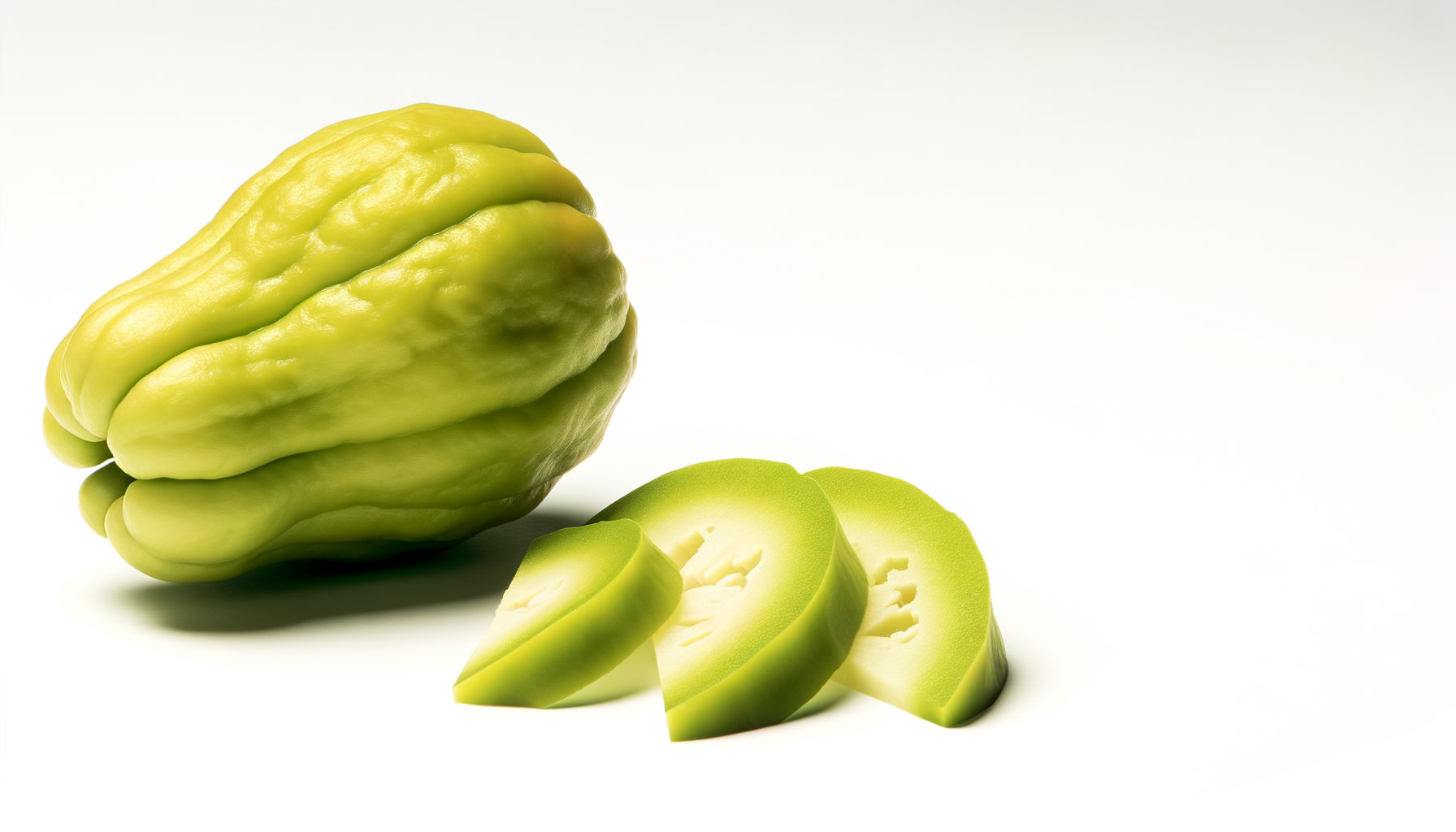
Chayote
Sechium edule
Sensory Profile
Tastes
Basic flavor profiles
Aromas
Scent characteristics
Stimuli
Sensory sensations
Textures
Physical properties
About Chayote
Chayote (Sechium edule) is a unique, green, pear-shaped vegetable that boasts a delicate, crisp texture and a subtly sweet flavor profile, reminiscent of a mild cucumber with a hint of nuttiness. Its aroma is fresh and grassy, with a slight earthiness that becomes more pronounced when cooked. In culinary applications, chayote shines in iconic dishes such as the Mexican "chayote en salsa verde," where its ability to absorb flavors enhances the tangy tomatillo sauce, creating a harmonious balance of taste and texture. Additionally, in the traditional Brazilian dish "vinagrete," chayote’s crispness provides a refreshing contrast to the acidity of vinegar and the richness of accompanying meats, while its low moisture content allows it to retain its bite even after cooking. Originating from Mesoamerica, chayote is deeply embedded in the culinary traditions of countries like Mexico and Guatemala, where it is often cultivated in home gardens using sustainable practices such as intercropping with corn and beans, which enriches the soil and promotes biodiversity. What sets chayote apart is its unique chemical composition; it contains a high water content and a low starch level, which allows it to maintain its structure during cooking and makes it an excellent candidate for both sautéing and steaming. Furthermore, chayote can be enjoyed raw, as its mild flavor and crisp texture lend themselves well to salads and salsas, showcasing its versatility across various culinary contexts.
Associated health effects(65)
- Safety and Toxicity
- Blood Pressure Support
- Satiety Enhancement
- Beta-Carotene Source
- Insulin Sensitivity Enhancement
- Micronutrient Density
- Vitamin C Content Support
- Fatty Acid Metabolism Activation
- Cardiovascular Protection
- Adipogenesis Suppression
- Antioxidant
- Dose-Dependent Effects
- Folate-Linked Premature Birth Risk Reduction
- Hepatoprotective and Anti-steatotic Activity
- Vanillin-Mediated Liver Protection
- Low Sodium Content
- Blood Pressure Reduction
- Folate Source
- Nutritional Advantages
- Alpha-amylase Inhibition
- Cancer-Preventive
- Liver Support
- Blood Cholesterol Reduction
- HDL Cholesterol Elevation
- Hepatic Lipogenesis Inhibition
- Myricetin-Mediated Insulin Sensitivity Enhancement
- Low Fat Content
- Blood Sugar Support
- Telomere Preservation
- Low Caloric Density
- Polysaccharide-Mediated Prebiotic Support
- Hepatoprotective and Hypolipidemic Activity
- Antidiabetic Activity
- Blood Sugar Regulation
- Folate-Linked Neural Tube Defect Prevention
- Atherosclerosis Prevention
- Anti-steatotic Activity
- No Evidence of Toxicity, Heavy Metals, or Contaminants
- Health effect related to no evidence of toxicity, heavy metals, or contaminants
- Mineral Content
- Hepatoprotection
- Dietary Fiber
- Prebiotic Fiber-Mediated Gut Microbiota Improvement
- Prebiotic Support
- Cholesterol Management
- Telomere Protection
- Potassium Content Support
- Manganese
- Soluble Fiber Provision
- Alpha-glucosidase Inhibition
- Weight Management
- Anti-aging Activity
- LDL Cholesterol Reduction
- Myricetin-Mediated Antioxidant Activity
- Potassium
- Low Glycemic Impact
- Digestive Prebiotic Support
- Heart Health
- Ulcer Relief
- Magnesium
- Lipid Metabolism Support
- Cholesterol Improvement
- Digestive Health
- Anticancer Potential
- Anti-inflammatory
Nutrition per 100 g(4)
- Energy: 19 kcal
- Protein: 1.2 g
- Fat: 0.2 g
- Fiber: 1.7 g