
Cheddar Sensory Map
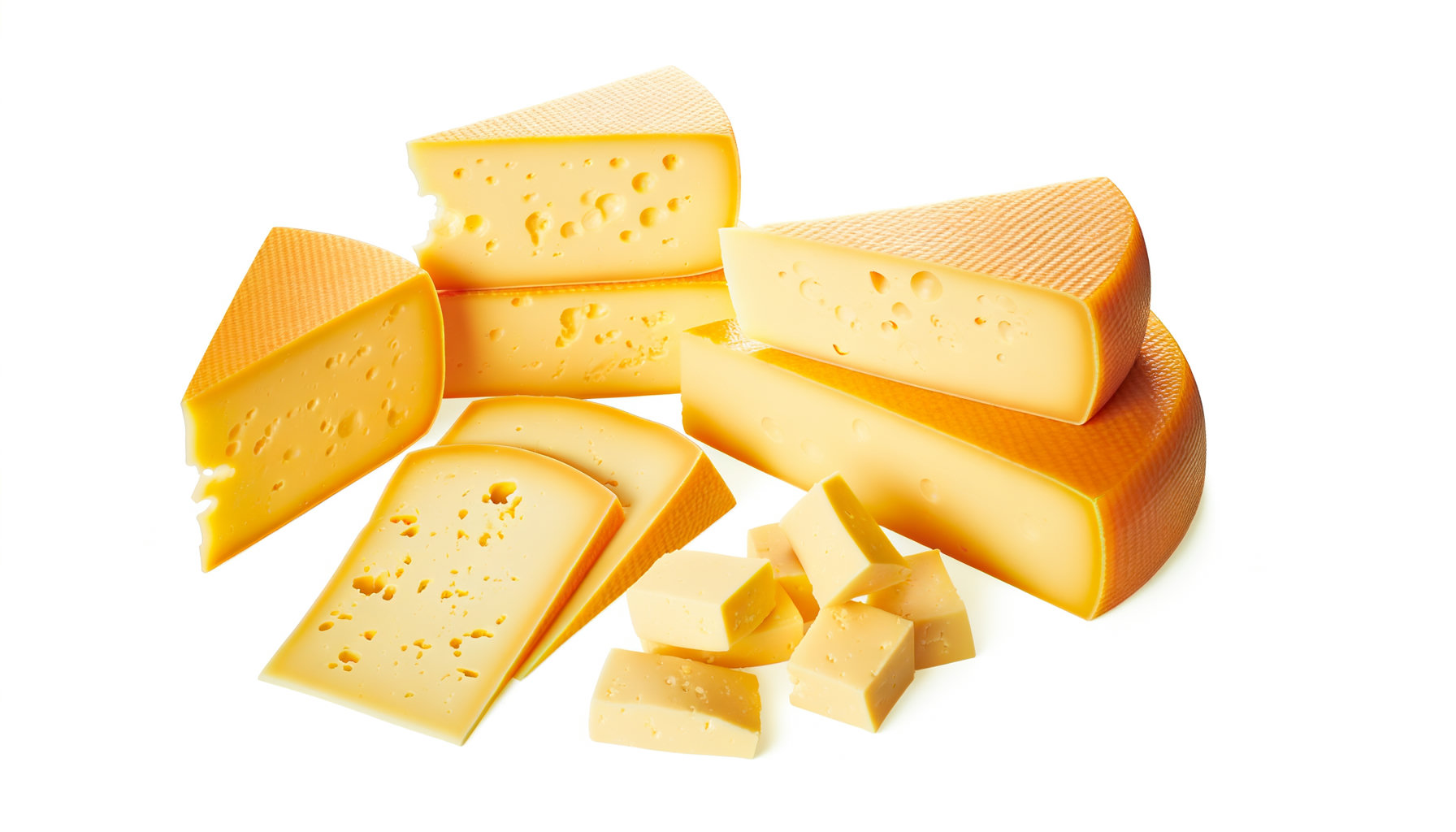
Cheddar
Caseus cheddar
Sensory Profile
Tastes
Basic flavor profiles
Aromas
Scent characteristics
Stimuli
Sensory sensations
Textures
Physical properties
About Cheddar
Cheddar (Caseus cheddar) is a celebrated cheese known for its rich, complex flavor profile that evolves significantly with aging. Young Cheddar presents a mild, creamy taste with subtle notes of butter and a slight tang, while aged varieties develop deeper, sharper flavors characterized by nutty undertones and a pronounced umami richness. The aroma ranges from fresh and milky in younger cheeses to robust and slightly earthy in aged specimens, often accompanied by a crumbly yet smooth texture that melts beautifully when heated. Culinary applications of Cheddar are diverse and iconic; it is a fundamental ingredient in classic dishes such as macaroni and cheese, where its melting properties create a creamy, cohesive sauce that clings to pasta, enhancing both flavor and mouthfeel. In the preparation of a traditional Welsh rarebit, Cheddar's sharpness balances the richness of the beer and mustard, providing a savory depth that elevates the dish. Additionally, in cheese boards, aged Cheddar pairs exquisitely with fruits and charcuterie, offering a contrast of textures and flavors that highlight its complexity. Originating from the English village of Cheddar in Somerset, this cheese holds cultural significance as a staple in British cuisine, with production methods that have evolved over centuries. Traditionally, Cheddar is made from cow's milk and undergoes a unique process known as "cheddaring," where curds are repeatedly stacked and turned to develop a firmer texture and enhance flavor concentration. This process, combined with specific aging conditions, allows for the development of distinct flavor compounds, including diacetyl, which contributes to its buttery notes. What sets Cheddar apart is its ability to age gracefully, with the flavor intensifying and the texture transforming from smooth to crumbly as moisture content decreases. The cheese's high fat content and protein structure also allow it to function effectively in various culinary applications, where it can act as a thickening agent in sauces or provide a satisfying mouthfeel in baked goods. The balance of acidity and fat in Cheddar not only enhances its flavor but also plays a crucial role in its versatility across different cuisines, making it a cornerstone ingredient in both traditional and contemporary cooking.
Associated health effects(106)
- Calcium Loss
- Vitamin B12 Content Support
- Calcium-Protein Bone Density Support
- Satiety and Appetite Control
- K2 Provision
- Blood Pressure Support
- Fat-Soluble Vitamin Support
- Aged Cheese-Linked Biogenic Amine Sensitivity
- Fermentation-Derived Antioxidant Activity
- Satiety Enhancement
- Micronutrient Density
- Bone Mineralization Support
- Milk-Derived Vitamin K2 Cardiovascular Support
- Kidney Stress
- Hypertension
- Selenium Status Improvement
- ACE Inhibition
- Kidney Damage Risk
- Keto Diet Compatibility
- Milk Allergy
- Milk Protein Allergy Symptom Induction
- Oral Cavity pH Modulation
- Calcium Content Support
- Cardiovascular Protection
- Antioxidant
- Allergic Reactions
- Mood and Reward Pathway Stimulation
- Dose-Dependent Effects
- K2 Cardiovascular Protection
- CLA-Mediated Anti-inflammatory Activity
- Vitamin B12 Nervous System Support
- Digestive Tolerance
- Saturated Fat and Cholesterol
- Cardiovascular Disease Risk Reduction
- Cardiovascular Risk
- LDL and Total Cholesterol Elevation
- Lactose Intolerance
- Cheese Matrix Lipid Absorption Reduction
- Fermentation-Enhanced Vitamin B12 Provision
- Sodium-Linked Kidney Stone Risk
- Fat Matrix Cholesterol Neutrality
- Sodium Content
- Milk Fat Globule Membrane Support
- Calcium Bioavailability from Casein
- Cheese Matrix Cholesterol Neutrality
- Cheese Matrix Cardiovascular Modulation
- Casein-Derived Opioid Activity
- Drug Absorption Interference
- Vitamin K2 Status Improvement
- B12 Deficiency Prevention
- Dental pH Elevation
- Lactose Intolerance Symptom Induction
- Biogenic Amine Sensitivity
- Bioactive Peptide Blood Pressure Support
- Migraine Trigger
- Antidiabetic Activity
- Brined Cheese-Linked Sodium Overload
- High Caloric Density
- Amino Acid Quality Support
- Sodium-Induced Blood Pressure Increase
- High Sodium Content
- Vitamin Supported Wellness
- Fat-Soluble Vitamin Provision
- Mood Enhancement
- Mineral Content
- CLA-Mediated Anti-cancer Potential
- Milk Fat Globule Membrane Cholesterol Absorption Inhibition
- High Saturated Fat Content
- Allergic Reaction Risk
- Lactose Reduction via Aging
- Bone Health
- CLA-Mediated Blood Lipid Regulation
- Blood Pressure Elevation
- Cholesterol Management
- All-Cause Mortality Reduction
- Dental pH Neutralization
- Muscle Protein Synthesis Enhancement
- Conjugated Linoleic Acid Support
- Protein Content
- B12 Content Support
- Phosphorus Content Support
- Dental Caries Risk Reduction
- B Vitamin Nervous System Support
- Fermentation-Enhanced CLA Provision
- Muscle Mass Preservation
- High Satiety
- Lactic Fermentation-Mediated Gut Microbiota Modulation
- Milk-Derived SFA Cardiovascular Protection
- Low Lactose Content
- Vitamin K2 Cardiovascular Protection
- Bioactive Peptide Support
- Lactic Fermentation-Derived Probiotic Support
- Probiotic Support (Fermented Cheese)
- Spermidine-Mediated Healthy Aging Support
- Low Glycemic Impact
- Weight Gain
- Vitamin K2 Support
- Leucine-Mediated Muscle Protein Synthesis Enhancement
- Complete Protein Support
- Lipid Metabolism Support
- Food Palatability Enhancement
- Lactose Content Reduction via Aging
- Vitamin K2 Cardiovascular Support
- High-Quality Protein Provision
- Calcium-Phosphorus Bone Support
- Complete Protein Provision
Nutrition per 100 g(4)
- Energy: 402 kcal
- Protein: 25 g
- Fat: 33 g
- Fiber: 0 g