
Cheese Sensory Map
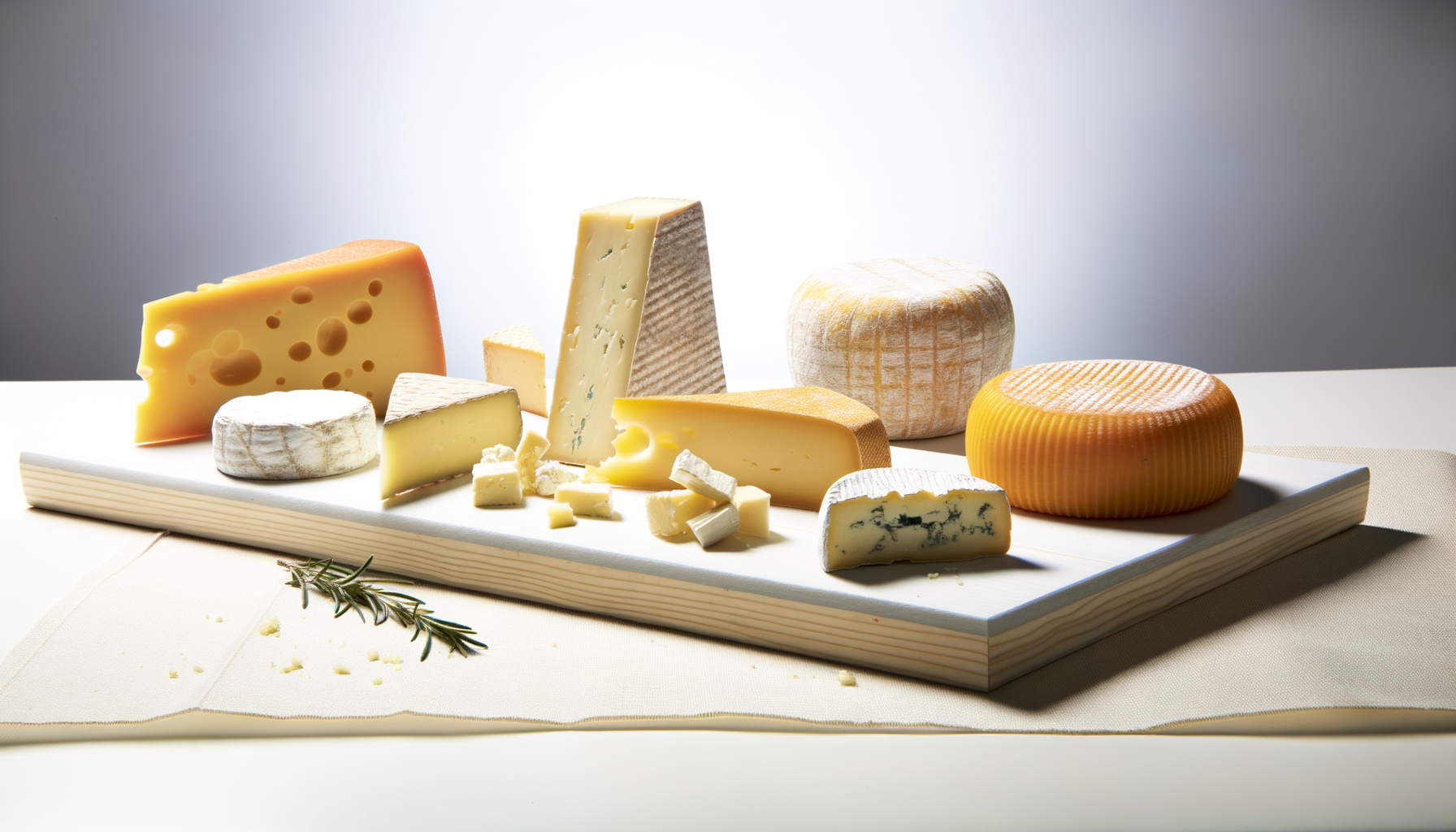
Cheese
Sensory Profile
Tastes
Basic flavor profiles
Aromas
Scent characteristics
Stimuli
Sensory sensations
Textures
Physical properties
About Cheese
Cheese encompasses a vast range of flavors, from the sharp and tangy notes of aged cheddar to the creamy, mild sweetness of fresh mozzarella. Its taste can vary significantly based on the type of milk used (cow, goat, sheep), the aging process, and the addition of herbs or spices. The texture can range from crumbly and hard to soft and spreadable, contributing to its diverse culinary applications. Cheese is a versatile ingredient used across numerous cuisines. It can be enjoyed raw on cheese boards, melted in dishes like pizzas and casseroles, or incorporated into sauces and dressings. It enhances salads, pasta, and baked goods, and serves as a key component in traditional dishes such as lasagna, quiche, and fondue. Cheese also pairs well with fruits, nuts, and wines, making it a staple in gourmet cooking and entertaining. Cheese-making dates back over 7,000 years, with origins believed to be in the Middle East and Central Asia. Different cultures have developed unique cheese varieties, influenced by local milk sources, climate, and preservation techniques. Notable cheese-producing regions include France (with varieties like Brie and Roquefort), Italy (Parmesan and Gorgonzola), and Switzerland (Emmental and Gruyère). Cheese is characterized by its rich nutritional profile, providing protein, calcium, and essential vitamins
Associated health effects(57)
- Blood Pressure Support
- Zinc
- Micronutrient Support
- Satiety Enhancement
- Micronutrient Density
- Listeriosis Risk from Unpasteurized Varieties
- Hypertension
- Dental Caries Reduction
- Milk Allergy
- Cardiovascular Protection
- Antioxidant
- Diabetes Management
- Allergic Reactions
- Cardiovascular Health
- Saturated Fat and Cholesterol
- Type 2 Diabetes Prevention
- Lactose Intolerance
- Cheese Matrix Lipid Absorption Reduction
- Casein-Derived Protein Digestibility Enhancement
- Sodium Content
- Environmental Toxin Exposure
- Calcium Bioavailability from Casein
- Type 2 Diabetes Risk Reduction
- Biogenic Amine Sensitivity
- Bioactive Peptide Blood Pressure Support
- Satiety Modulation
- Probiotic Support
- Dental Plaque Inhibition
- Immune Booster
- High Sodium Content
- Immune Modulation
- Muscle Protein Support
- Digestive Irritation
- Mood Enhancement
- Foodborne Illness Risk
- High Saturated Fat Content
- Vitamin B12 Source
- Lactose Reduction via Aging
- Obesity and Weight Gain
- Bone Health
- Caloric Excess
- Cholesterol Management
- Lactose Tolerance Support
- Conjugated Linoleic Acid Support
- Protein Content
- Dental Caries Risk Reduction
- Nutrient Interference
- Weight Management
- Muscle Mass Preservation
- Milk-Derived SFA Cardiovascular Protection
- Probiotic Support (Fermented Cheese)
- Weight Gain
- Vitamin K2 Support
- Heart Health
- Sodium Overload
- Lipid Metabolism Support
- Digestive Aid
Nutrition per 100 g(4)
- Energy: 402 kcal
- Protein: 25 g
- Fat: 33 g
- Fiber: 0 g