
Chervil Sensory Map
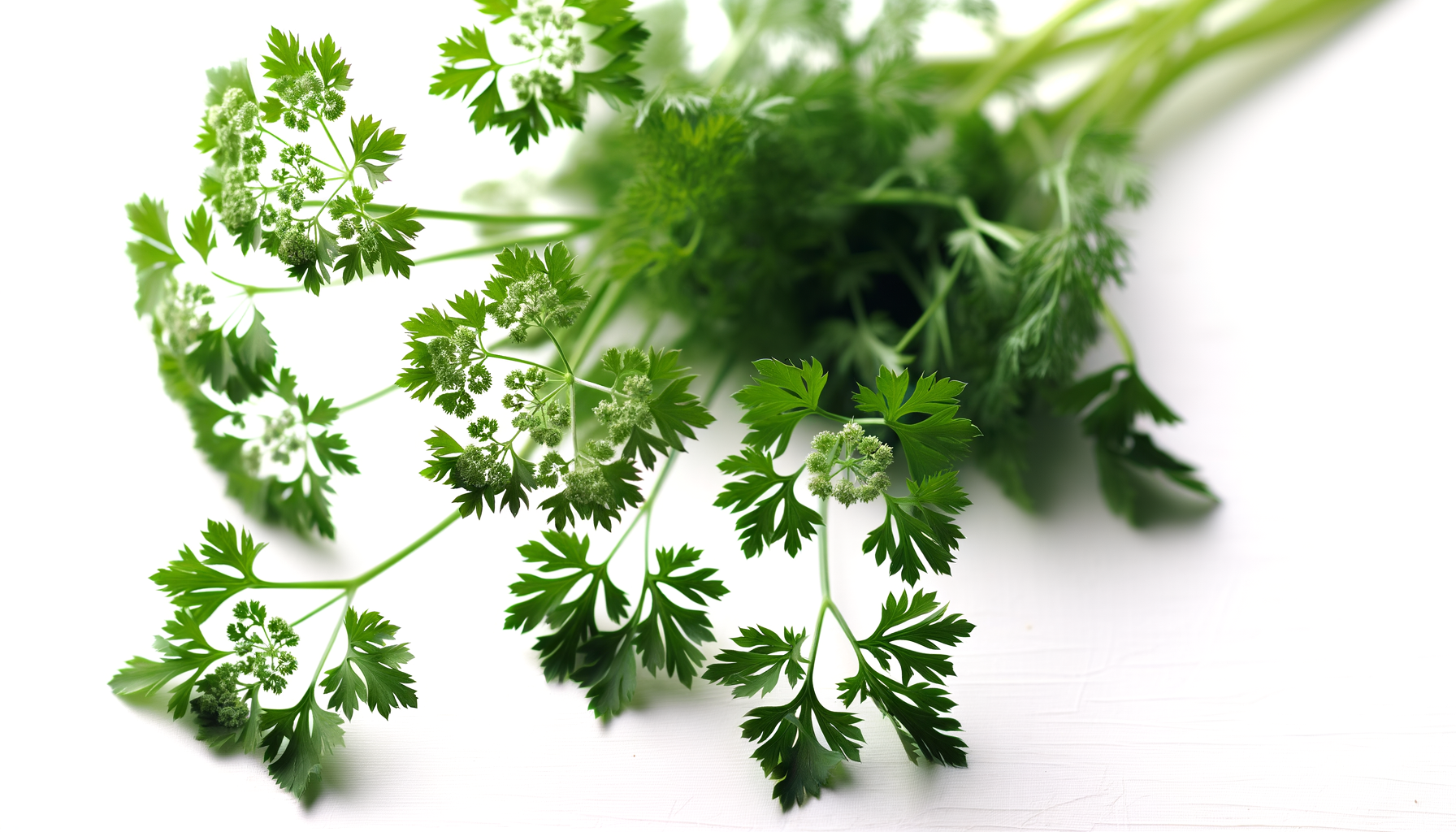
Chervil
Anthriscus cerefolium
Sensory Profile
Tastes
Basic flavor profiles
Aromas
Scent characteristics
Stimuli
Sensory sensations
Textures
Physical properties
About Chervil
Chervil is a delicate herb with a subtle flavor that combines hints of anise and parsley. Its taste is often described as slightly sweet and earthy, with a mild peppery finish. The aroma is fresh and fragrant, making it a delightful addition to various dishes. Chervil is commonly used in French cuisine, particularly in classic sauces and soups, such as the traditional "fines herbes" blend, which also includes parsley, tarragon, and chives. It pairs well with eggs, fish, and poultry, enhancing dishes like omelets, salads, and creamy sauces. Chervil is best added at the end of cooking or used fresh to preserve its delicate flavor. Native to Europe and parts of Asia, chervil has been cultivated since antiquity. It thrives in temperate climates and is often found in gardens across Europe, where it is valued for both its culinary and medicinal properties. Chervil features feathery, lacy leaves that are bright green and resemble those of parsley, though they are more tender. The plant can grow up to 30 cm (12 inches) tall and produces small white flowers in umbels during the summer months.
Associated health effects(59)
- Safety and Toxicity
- Vitamin C Source
- Menstrual Support
- Expectorant
- Micronutrient Density
- Polyacetylene Anti-inflammatory Activity
- Polyacetylene Antimicrobial Activity
- Anti-arthritic
- Calcium Content Support
- Antiseptic Skin Protection
- Cardiovascular Protection
- Antioxidant
- Dose-Dependent Effects
- Allergy Risk
- Vitamin E Source
- Analgesic Activity
- Blood Pressure Reduction
- Folate Source
- Topical Anti-inflammatory Activity
- Nutritional Advantages
- Wound Healing
- Antifungal
- Liver Support
- Antihypertensive
- Low Caloric Density
- Vitamin A Support
- General overconsumption risks
- Immune Booster
- Polyphenol-Mediated Antioxidant Activity
- Deoxypodophyllotoxin-Mediated Antiproliferative Activity
- Antipyretic Activity
- Flavor and Culinary Use
- Cough Reduction
- Iron Content Support
- Mineral Content
- Dietary Fiber
- Skin Health
- Bone Health
- Anemia Prevention
- Digestive Relief via Carminative Action
- Joint Health
- Manganese
- Traditional Antidiarrheal Activity
- Protein Content
- Diuretic Activity
- Swelling Reduction
- B Vitamin Nervous System Support
- Antibacterial
- Potassium
- Fiber Content
- Heart Health
- Antiviral
- Magnesium
- Digestive Aid
- Vitamin A Source
- Anticancer Potential
- Anti-inflammatory
- Carminative
- Mutagenic Risk in Pregnancy
Nutrition per 100 g(4)
- Energy: 34 kcal
- Protein: 3 g
- Fat: 0.6 g
- Fiber: 2 g