
Chestnut Sensory Map
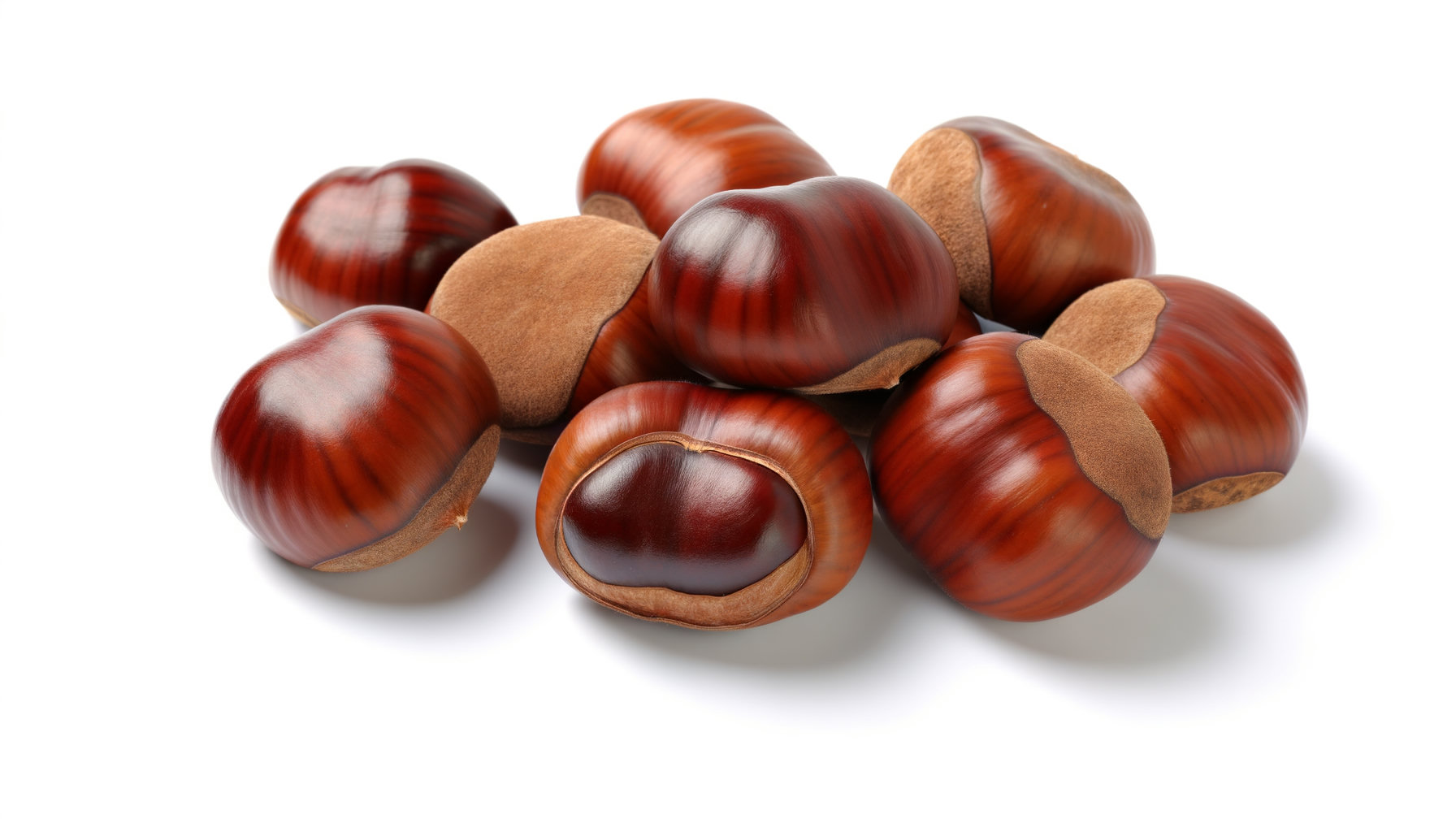
Chestnut
Castanea sativa
Sensory Profile
Tastes
Basic flavor profiles
Aromas
Scent characteristics
Stimuli
Sensory sensations
Textures
Physical properties
About Chestnut
Chestnut (Castanea sativa) is a unique nut characterized by its subtly sweet, earthy flavor profile, reminiscent of roasted sweet potatoes and a hint of vanilla. When cooked, chestnuts develop a creamy, buttery texture that contrasts beautifully with their slightly fibrous exterior, making them a delightful addition to both sweet and savory dishes. Their aroma, particularly when roasted, is warm and inviting, evoking memories of autumnal gatherings and festive celebrations. Culinary applications for chestnuts are diverse and culturally rich; they are a key ingredient in classic dishes such as **Chestnut Soup**, where their natural sweetness and creamy texture create a luxurious base that is often enhanced with aromatic herbs and spices. In **Stuffing**, particularly in traditional European holiday meals, chestnuts contribute moisture and a nutty depth, balancing the savory flavors of meats and herbs. Additionally, in **Mont Blanc**, a French dessert, chestnuts are pureed and sweetened, showcasing their ability to absorb flavors while providing a rich, velvety mouthfeel that elevates the dish. Originating from the temperate regions of Europe and Asia, chestnuts have been a staple in various cuisines for centuries, particularly in Italy, France, and Spain, where they are often harvested in the fall. Traditional production methods include roasting over an open fire or boiling, both of which enhance their flavor and texture. In some regions, chestnuts are also ground into flour, which is used in various baked goods, reflecting their adaptability and significance in local diets. What sets chestnuts apart from other nuts is their high starch content and low-fat profile, which allows them to act as a binding agent in recipes while providing a unique, moist texture. Unlike most nuts, chestnuts do not require extensive aging or fermentation processes, making them accessible for immediate culinary use. Their distinctive properties not only enrich dishes but also offer a glimpse into the agricultural heritage of the regions they hail from, making them a cherished ingredient in both traditional and contemporary cuisine.
Associated health effects(11)
- Cardiovascular Protection
- Antioxidant
- Short-Chain Fatty Acid Production
- Blood Sugar Support
- At-Risk Populations
- Cholesterol Management
- Gluten-Free Nature
- B Vitamin Nervous System Support
- Digestive Aid
- Anticancer Potential
- Anti-inflammatory
Nutrition per 100 g(4)
- Energy: 210 kcal
- Protein: 2 g
- Fat: 1 g
- Fiber: 8 g