
Chia Seeds Sensory Map
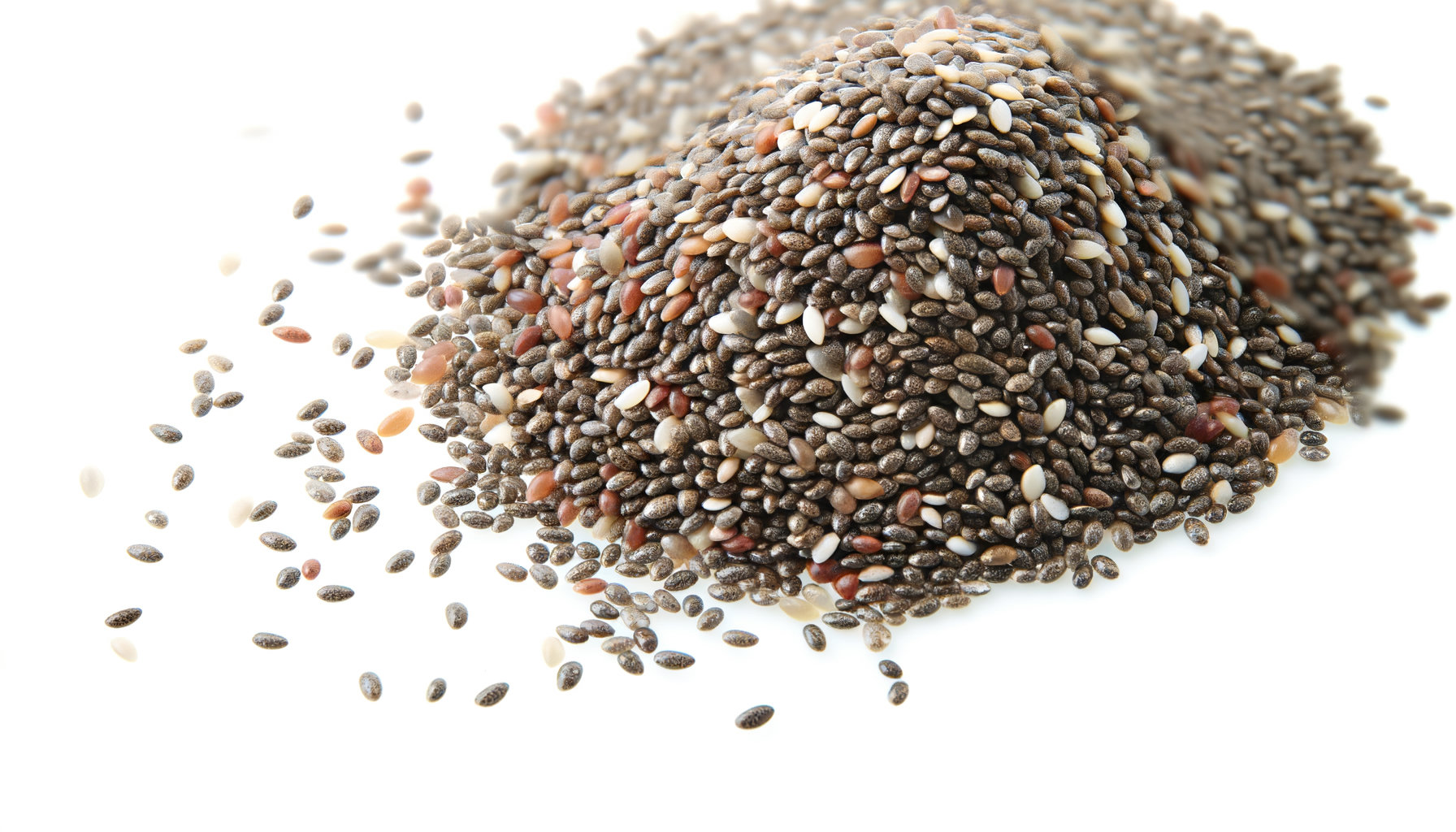
Chia Seeds
Salvia hispanica
Sensory Profile
Tastes
Basic flavor profiles
Aromas
Scent characteristics
Stimuli
Sensory sensations
Textures
Physical properties
About Chia Seeds
Chia Seeds (Salvia hispanica) are small, oval-shaped seeds that exhibit a mild, nutty flavor profile, often likened to that of poppy seeds, with a subtle earthiness that enhances rather than overwhelms other ingredients. When hydrated, these seeds develop a unique gelatinous coating, providing a delightful contrast in texture—crunchy when dry and pleasantly chewy when soaked. The aroma is faintly grassy, reminiscent of fresh herbs, which adds a refreshing note to dishes. Culinary applications of chia seeds are diverse, with iconic dishes such as Chia Pudding, where their ability to absorb liquid and swell creates a creamy, custard-like consistency, making them an excellent base for breakfast or dessert. In Mexican cuisine, they are traditionally used in "Chia Fresca," a refreshing beverage that highlights their hydrophilic properties, allowing the seeds to float in water, creating a visually appealing and nutritious drink. Additionally, chia seeds serve as a binding agent in vegan baking, where their ability to form a gel when mixed with water mimics the properties of eggs, contributing to moisture and structure in recipes like chia-based muffins or energy bars. Originating from Central and South America, chia seeds have been cultivated for thousands of years, revered by ancient civilizations such as the Aztecs and Mayans for their nutritional benefits and energy-boosting properties. Traditionally harvested by hand, the seeds are extracted from the flowering plant and are often sun-dried to preserve their nutritional integrity. What sets chia seeds apart is their exceptional nutritional profile, rich in omega-3 fatty acids, fiber, and protein, which contribute to their health benefits and functional properties in cooking. The seeds' ability to absorb up to 12 times their weight in water not only enhances hydration but also aids in digestion, making them a valuable ingredient in health-conscious recipes. Their unique gelling ability also allows them to stabilize emulsions, making them useful in dressings and sauces, where they contribute to a smooth, cohesive texture without the need for artificial thickeners.
Associated health effects(37)
- Blood Pressure Support
- Satiety Enhancement
- Colonic Transit Enhancement
- Alpha-Linolenic Acid Support
- Lignan-Mediated Hormone Modulation
- Constipation Relief
- Drug Interactions
- Antioxidant
- Allergic Reactions
- Central Obesity Reduction
- Hypotension
- Appetite Reduction
- Blood Pressure Reduction
- Lipid Profile Improvement
- Appetite Reduction via Fiber-Induced Satiety
- Antidiabetic Activity
- Blood Sugar Regulation
- Gut Microbiota Modulation via Flavonoids and ALA
- Total Cholesterol
- Esophageal Obstruction Risk
- Mineral Content
- Dietary Fiber
- Prebiotic Fiber-Mediated Gut Microbiota Improvement
- Bone Health
- Cholesterol Management
- Weight Management
- HDL Cholesterol
- LDL Cholesterol Reduction
- Digestive Mucosal Soothing
- Triglyceride Reduction
- Platelet Aggregation Reduction
- Digestive Prebiotic Support
- Complete Protein Support
- Colorectal Cancer Risk Reduction
- Digestive Health
- Anticancer Potential
- Anti-inflammatory
Nutrition per 100 g(4)
- Energy: 486 kcal
- Protein: 16.5 g
- Fat: 31 g
- Fiber: 34.4 g