
Chianti Sensory Map
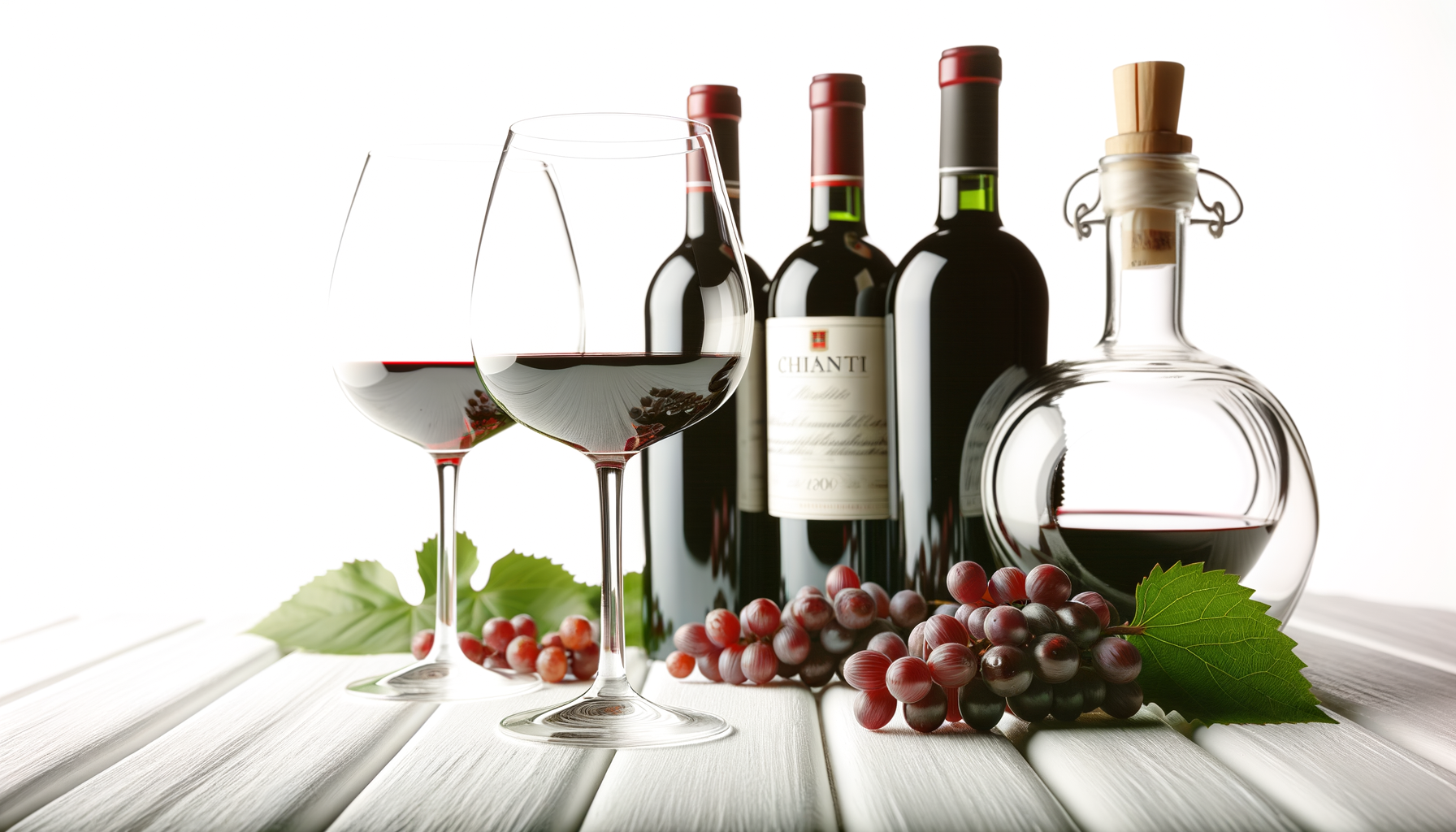
Chianti
Vitis vinifera
Sensory Profile
Tastes
Basic flavor profiles
Aromas
Scent characteristics
Stimuli
Sensory sensations
Textures
Physical properties
About Chianti
Chianti, primarily known as a red wine, is derived from the Sangiovese grape, which imparts a vibrant acidity and a medium to full-bodied structure. The flavor profile is characterized by bright cherry, plum, and raspberry notes, often complemented by earthy undertones, hints of dried herbs, and subtle spice. Aged varieties may exhibit additional complexities such as leather, tobacco, and vanilla from oak maturation. Chianti is not only celebrated as a beverage but also serves as a culinary ingredient. It enhances sauces, marin marinades, and reductions, adding depth and richness to dishes. It pairs exceptionally well with Italian cuisine, particularly tomato-based sauces, grilled meats, and aged cheeses. Chianti is often used in traditional Tuscan dishes, such as ribollita and pici cacio e pepe, where its acidity balances rich flavors. Chianti originates from the Chianti region in Tuscany, Italy, with a history dating back to the 13th century. The region is renowned for its rolling hills, ideal grape-growing conditions, and a climate that fosters the development of Sangiovese grapes. The designation "Chianti" is protected by the Denominazione di Origine Controllata e Garantita (DOCG) status, ensuring quality and adherence to traditional production methods. Chianti is distinguished by its iconic straw-covered bottle,
Associated health effects(17)
- Blood Pressure Support
- Antioxidant
- Headache Trigger
- Liver Toxicity
- Cancer Risk
- Cancer-Preventive
- Biogenic Amine Sensitivity
- Cardiovascular Stress
- Vasodilation
- Addiction Potential
- Digestive Irritation
- Cholesterol Management
- Neuroprotection
- Heart Health
- Sleep Disruption
- Digestive Aid
- Anti-inflammatory
Nutrition per 100 g(4)
- Energy: 83 kcal
- Protein: 0.1 g
- Fat: 0 g
- Fiber: 0 g