
Chickpea Sensory Map
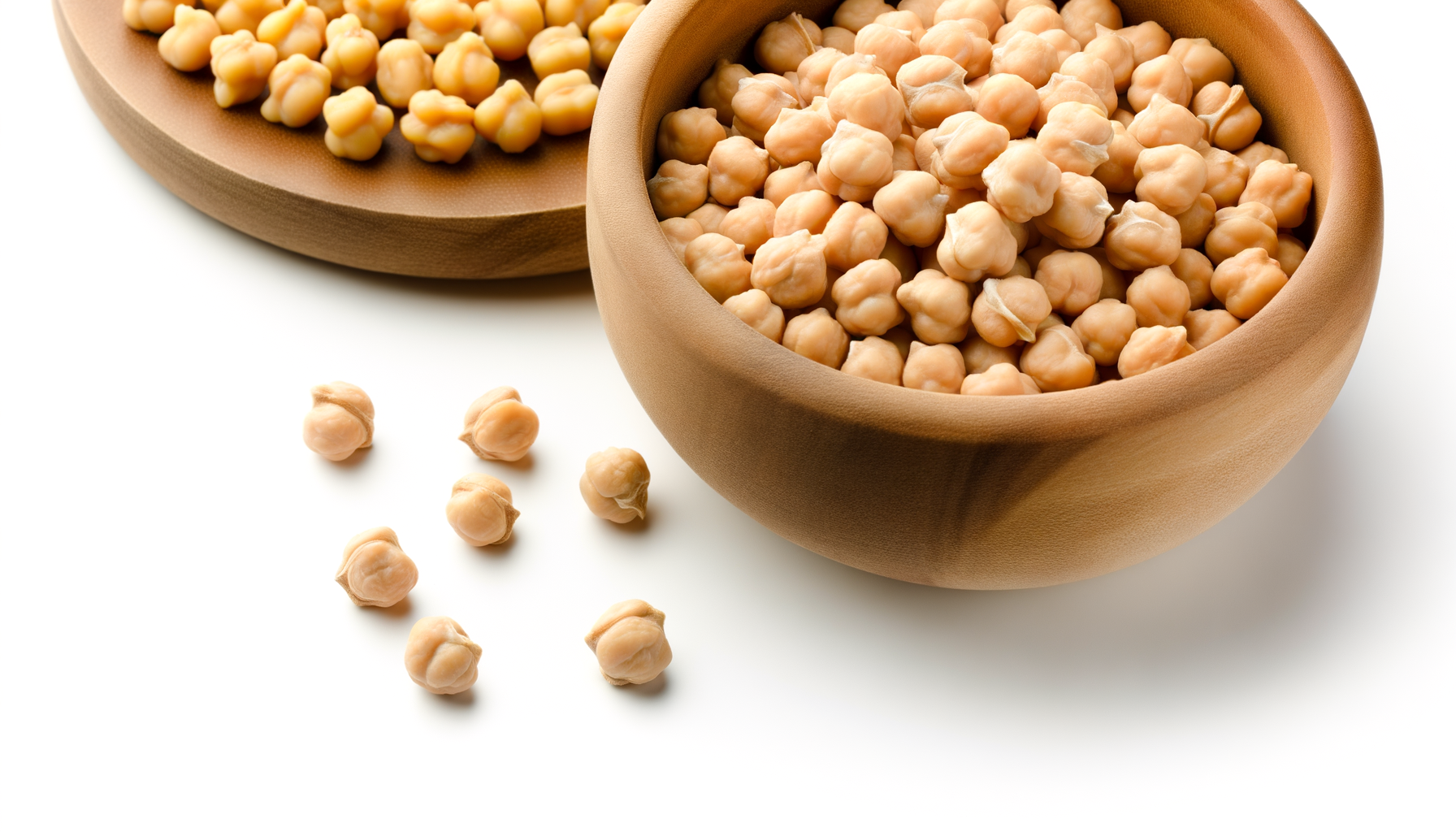
Chickpea
Cicer arietinum
Sensory Profile
Tastes
Basic flavor profiles
Aromas
Scent characteristics
Stimuli
Sensory sensations
Textures
Physical properties
About Chickpea
Chickpeas, also known as garbanzo beans, possess a mild, nutty flavor with a slightly grainy texture. When cooked, they develop a creamy consistency, making them versatile in both savory and sweet dishes. Their subtle taste allows them to absorb and complement a variety of spices and seasonings. Chickpeas are a staple in many cuisines around the world. They are commonly used in Middle Eastern dishes such as hummus and falafel, as well as in Indian curries and stews. In Mediterranean cuisine, they are featured in salads, soups, and as a protein source in vegetarian dishes. Roasted chickpeas serve as a nutritious snack, while ground chickpeas (besan) are utilized in gluten-free baking and as a thickening agent in sauces. Chickpeas are believed to have originated in the Middle East, with evidence of their cultivation dating back over 7,000 years. They are one of the earliest cultivated legumes and have spread across various regions, including South Asia, North Africa, and the Mediterranean, adapting to diverse agricultural practices. Chickpeas are notable for their high protein content, making them an essential ingredient in vegetarian and vegan diets. They are rich in dietary fiber, vitamins, and minerals, contributing to their health benefits. Available in various forms—dried, canned, or roasted—chickpeas are celebrated for
Associated health effects(46)
- Butyrate Production Enhancement
- Micronutrient Density
- Constipation Relief
- Dietary Prebiotic Support
- Flatulence and Bloating
- Phytate Mineral Bioavailability Reduction
- Allergic Reactions
- Cardiovascular Health
- Short-Chain Fatty Acid Production
- Blood Pressure Reduction
- Folate Source
- Type 2 Diabetes Prevention
- Nutritional Advantages
- Lipid Profile Improvement
- Lectin-Induced Gastrointestinal Toxicity
- Blood Cholesterol Reduction
- Blood Sugar Support
- Amylose-Mediated Glycemic Index Reduction
- Amylose-Mediated Blood Sugar Modulation
- Antidiabetic Activity
- Blood Sugar Regulation
- Saponin-Mediated Cancer Risk Reduction
- Iron Content Support
- At-Risk Populations
- Mineral Content
- Dietary Fiber
- Interaction with Medications
- Allergic Reaction Risk
- Prebiotic Fiber-Mediated Gut Microbiota Improvement
- Bone Health
- Antioxidant Polyphenol Provision
- Cholesterol Management
- Anemia Prevention
- Protein Content
- Weight Management
- LDL Cholesterol Reduction
- Saponin-Mediated Cholesterol Reduction
- Bioactive Peptide Support
- Digestive Prebiotic Support
- Colorectal Cancer Risk Reduction
- Magnesium
- Lectin Exposure
- Digestive Aid
- Digestive Health
- Anticancer Potential
- Cognitive Support
Nutrition per 100 g(4)
- Energy: 164 kcal
- Protein: 8.9 g
- Fat: 6 g
- Fiber: 7.6 g