
Chili Sensory Map
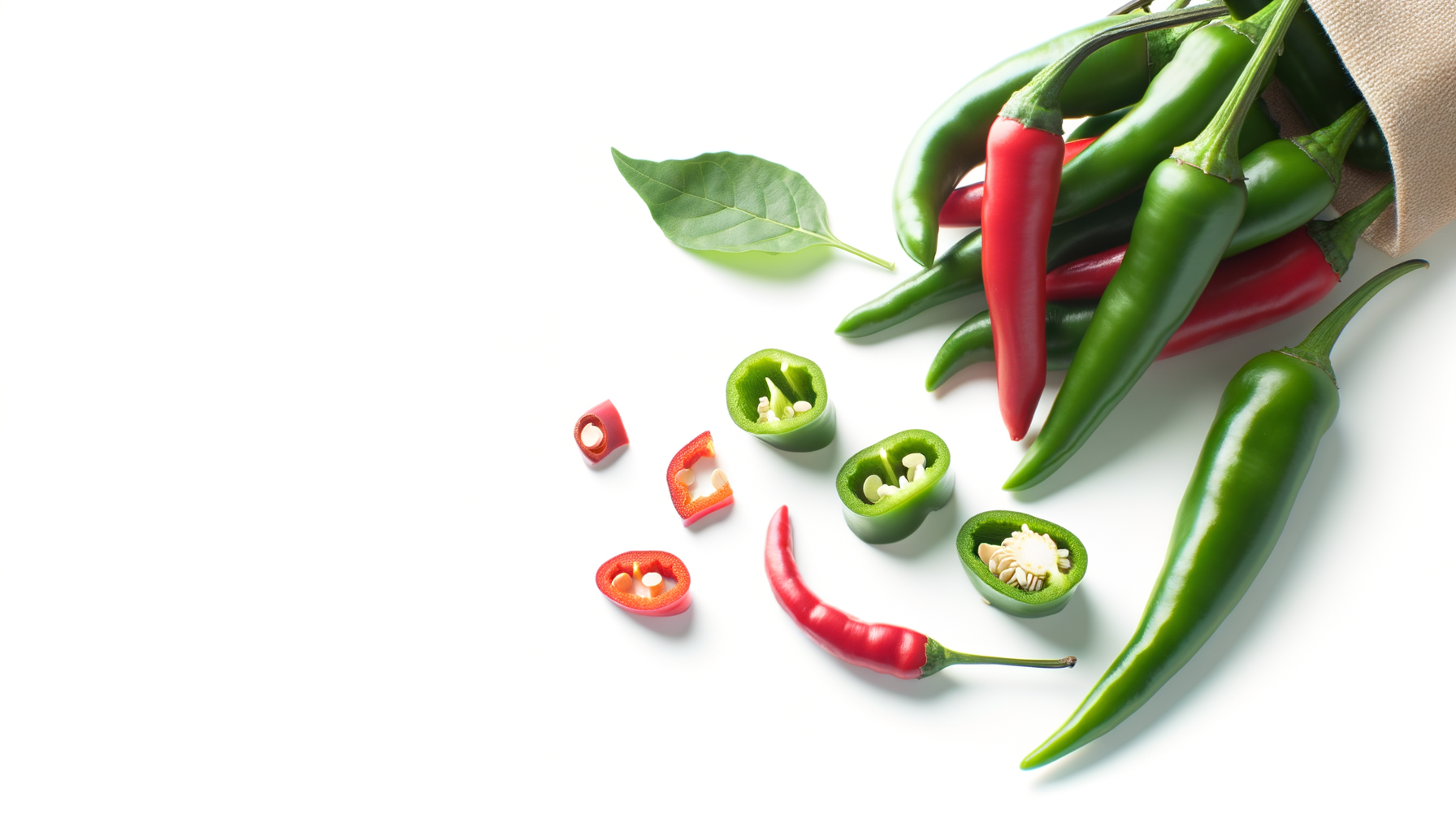
Chili
Capsicum frutescens
Sensory Profile
Tastes
Basic flavor profiles
Aromas
Scent characteristics
Stimuli
Sensory sensations
Textures
Physical properties
About Chili
Chili peppers are renowned for their vibrant heat, which can range from mild to intensely fiery, depending on the variety. They possess a complex flavor that often includes fruity, smoky, or earthy undertones, making them a versatile ingredient in various cuisines. The heat is primarily attributed to capsaicin, which can stimulate the palate and enhance other flavors in a dish. Chili peppers are a staple in many culinary traditions around the world. They are commonly used fresh, dried, or powdered to add heat and depth to sauces, salsas, soups, and stews. In Mexican cuisine, varieties such as jalapeño and serrano are integral to dishes like tacos and enchiladas. In Asian cooking, they are often incorporated into stir-fries, curries, and marinades. Dried chilies can be ground into powders or flakes, such as cayenne or chili powder, to season meats, vegetables, and even chocolate desserts. Chili peppers are believed to have originated in Central and South America, where they have been cultivated for thousands of years. They were introduced to Europe and Asia following the Columbian Exchange in the late 15th century, rapidly becoming integral to many global cuisines. Today, they are grown in various regions worldwide, with significant production in countries like India, Mexico, and the United States.
Associated health effects(13)
- Antioxidant
- Allergic Reactions
- Cancer-Preventive
- Pain Relief
- Digestive Irritation
- Interaction with Medications
- Cholesterol Management
- Metabolism Booster
- Pain Receptor Desensitization
- Weight Management
- Heart Health
- Digestive Aid
- Anti-inflammatory
Nutrition per 100 g(4)
- Energy: 40 kcal
- Protein: 2 g
- Fat: 1.2 g
- Fiber: 1.5 g