
Chinese Cassia Cinnamon Sensory Map
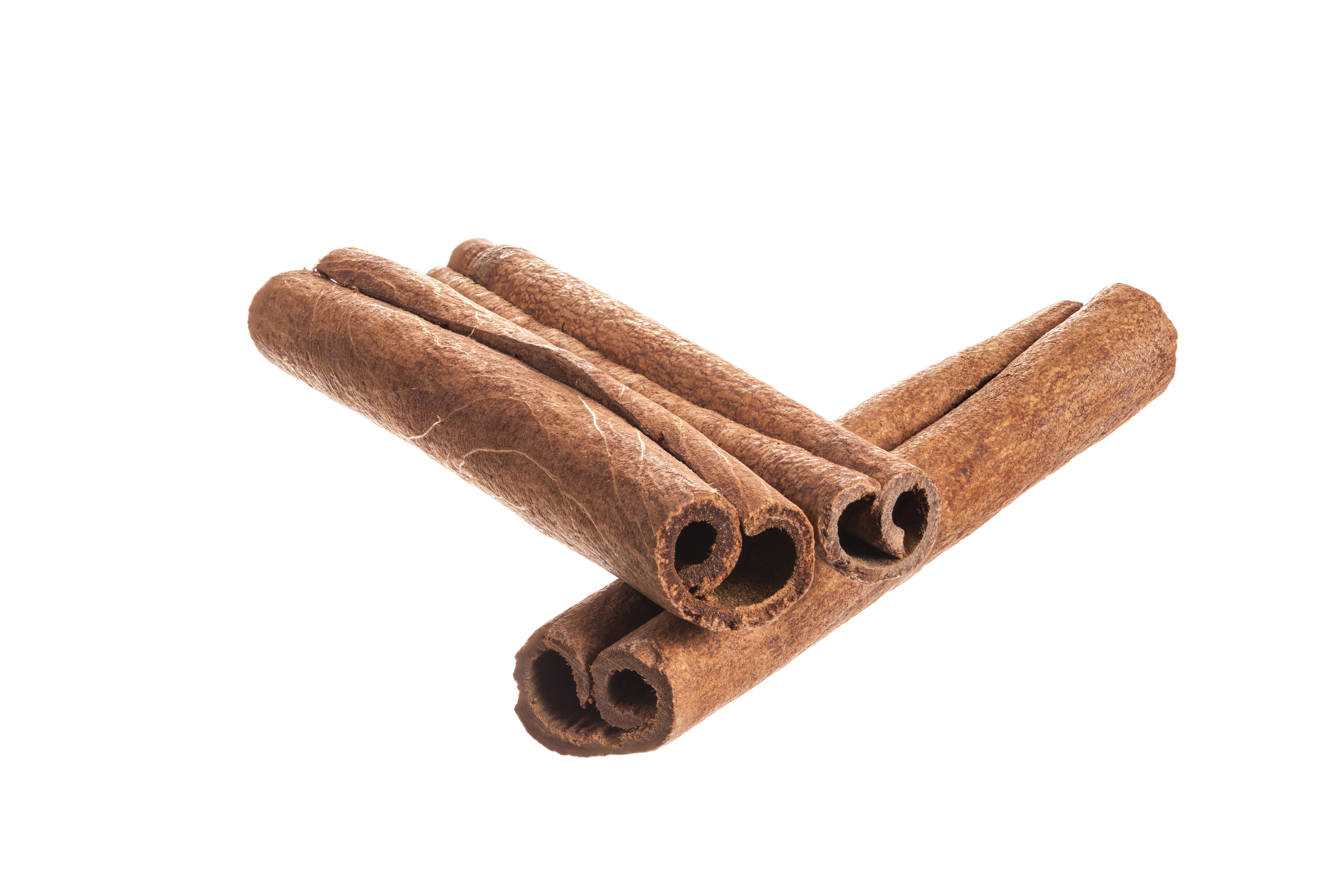
Chinese Cassia Cinnamon
Cinnamomum cassia
Sensory Profile
Tastes
Basic flavor profiles
Aromas
Scent characteristics
Stimuli
Sensory sensations
Textures
Physical properties
About Chinese Cassia Cinnamon
Chinese Cassia Cinnamon offers a robust and intense flavor, characterized by its warm, sweet, and slightly spicy notes. It has a more pungent and less delicate taste compared to its counterpart, Ceylon cinnamon, making it a popular choice for those seeking a stronger cinnamon flavor in their dishes. This spice is widely used in both sweet and savory dishes. In Asian cuisine, it is a key ingredient in five-spice powder and is often added to braised meats, stews, and rice dishes to impart depth and warmth. In Western cooking, it enhances baked goods such as cinnamon rolls, pies, and cookies. It also pairs well with fruits, particularly apples and pears, and is commonly used in spiced beverages like chai and mulled wine. Cinnamomum cassia is native to China, where it has been cultivated for thousands of years. It is primarily grown in regions such as Sichuan and Yunnan. The spice is derived from the inner bark of the cassia tree, which is harvested, dried, and rolled into quills or ground into powder. Chinese Cassia Cinnamon is easily identifiable by its thick, hard quills, which are darker and rougher than those of Ceylon cinnamon. The bark has a reddish-brown hue and is often sold in rolled sticks or as quills.
Associated health effects(42)
- Insulin Sensitivity Enhancement
- Menopausal Symptom Modulation
- Anti-arthritic
- Drug Interactions
- Potential Additive Hypoglycemia
- Cardiovascular Protection
- Antioxidant
- Dose-Dependent Effects
- Wound Healing
- Liver Toxicity
- Cancer-Preventive
- Antifungal
- Lipid Profile Improvement
- Blood Cholesterol Reduction
- Hydroxychalcone-Mediated Glucose Uptake Enhancement
- Blood Sugar Support
- Coumarin-Induced Hepatotoxicity
- Mild Oral and Throat Irritation
- Blood Sugar Regulation
- Coumarin-Induced Anticoagulant Activity
- Flavor and Culinary Use
- Anti-obesity Activity
- At-Risk Populations
- Cinnamaldehyde-Mediated Insulin Sensitivity Enhancement
- Allergic Reaction Risk
- Menopausal Vasomotor Symptom Reduction
- Blood Lipid Profile Improvement
- Cholesterol Management
- Antiglycemic Activity
- Alpha-glucosidase Inhibition
- LDL Cholesterol Reduction
- Antibacterial
- Cinnamaldehyde Antimicrobial Activity
- Triglyceride Reduction
- Neuroprotection
- Coumarin-Induced Gastrointestinal Distress
- Hypoglycemia
- Lipid Metabolism Support
- Digestive Aid
- Gastrointestinal Irritation
- Anticancer Potential
- Anti-inflammatory
Nutrition per 100 g(4)
- Energy: 247 kcal
- Protein: 4 g
- Fat: 1.2 g
- Fiber: 53.1 g