
Chipotle Sensory Map
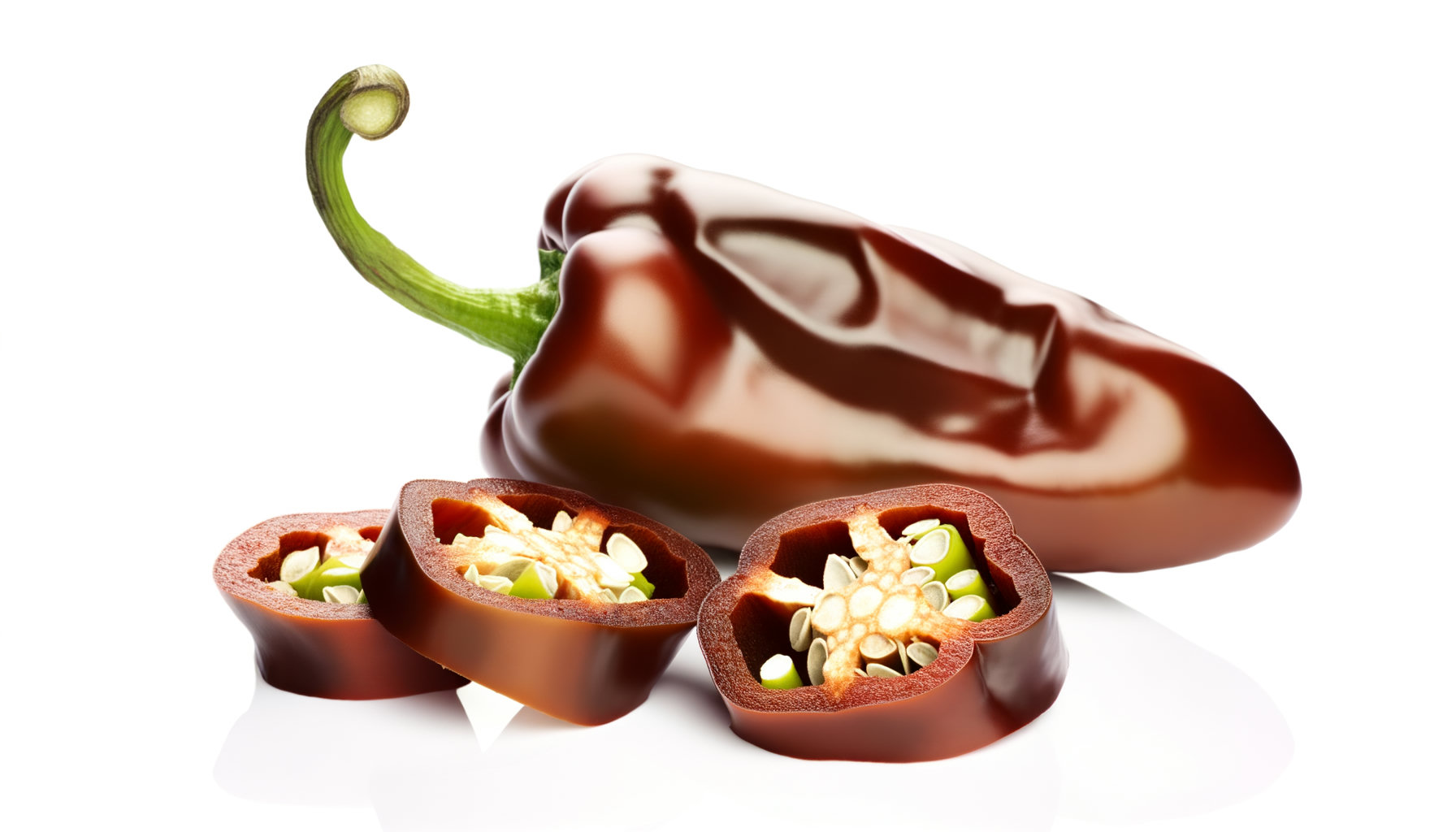
Chipotle
Capsicum annuum
Sensory Profile
Tastes
Basic flavor profiles
Aromas
Scent characteristics
Stimuli
Sensory sensations
Textures
Physical properties
About Chipotle
Chipotle (Capsicum annuum), a member of the Solanaceae family, is a smoked and dried jalapeño pepper that delivers a complex sensory experience characterized by its deep, earthy aroma with hints of sweet tobacco and a subtle, lingering smokiness. The flavor profile is multifaceted, featuring a rich, slightly sweet heat that can range from moderate to intense, depending on the specific variety and drying process. The texture of chipotle is typically coarse when ground into powder, providing a gritty mouthfeel that can enhance the body of sauces and marinades. In culinary applications, chipotle is a cornerstone of traditional Mexican cuisine, prominently featured in dishes such as **mole poblano**, where its smokiness complements the rich, complex flavors of chocolate and spices, creating a harmonious balance that enhances the dish's depth. It also plays a crucial role in **adobo sauce**, where the chemical reactions between the chipotle's capsaicin and the acidity of tomatoes or vinegar create a piquant marinade that tenderizes proteins while infusing them with a robust flavor. Additionally, chipotle is often used in **salsas**, where its heat and smokiness contrast beautifully with fresh ingredients, providing a layered flavor profile that elevates the dish. Originating from Mexico, chipotle carries significant cultural importance, often associated with traditional cooking methods that involve slow smoking over wood, typically mesquite or pecan, which not only preserves the pepper but also imbues it with its signature flavor. The traditional production involves harvesting ripe jalapeños, which are then dried and smoked, a process that can take several days, allowing the peppers to develop their characteristic depth of flavor. What sets chipotle apart is its unique aging process; the smoking not only enhances flavor compounds such as capsaicin and phenolic compounds but also contributes to its preservation, allowing it to retain its potency over time. This process results in a spice that not only adds heat but also a complex umami quality, making it a valuable ingredient for chefs looking to impart depth and a smoky essence to a variety of dishes.
Nutrition per 100 g(4)
- Energy: 172 kcal
- Protein: 9 g
- Fat: 1.5 g
- Fiber: 27 g