
Cilantro Sensory Map
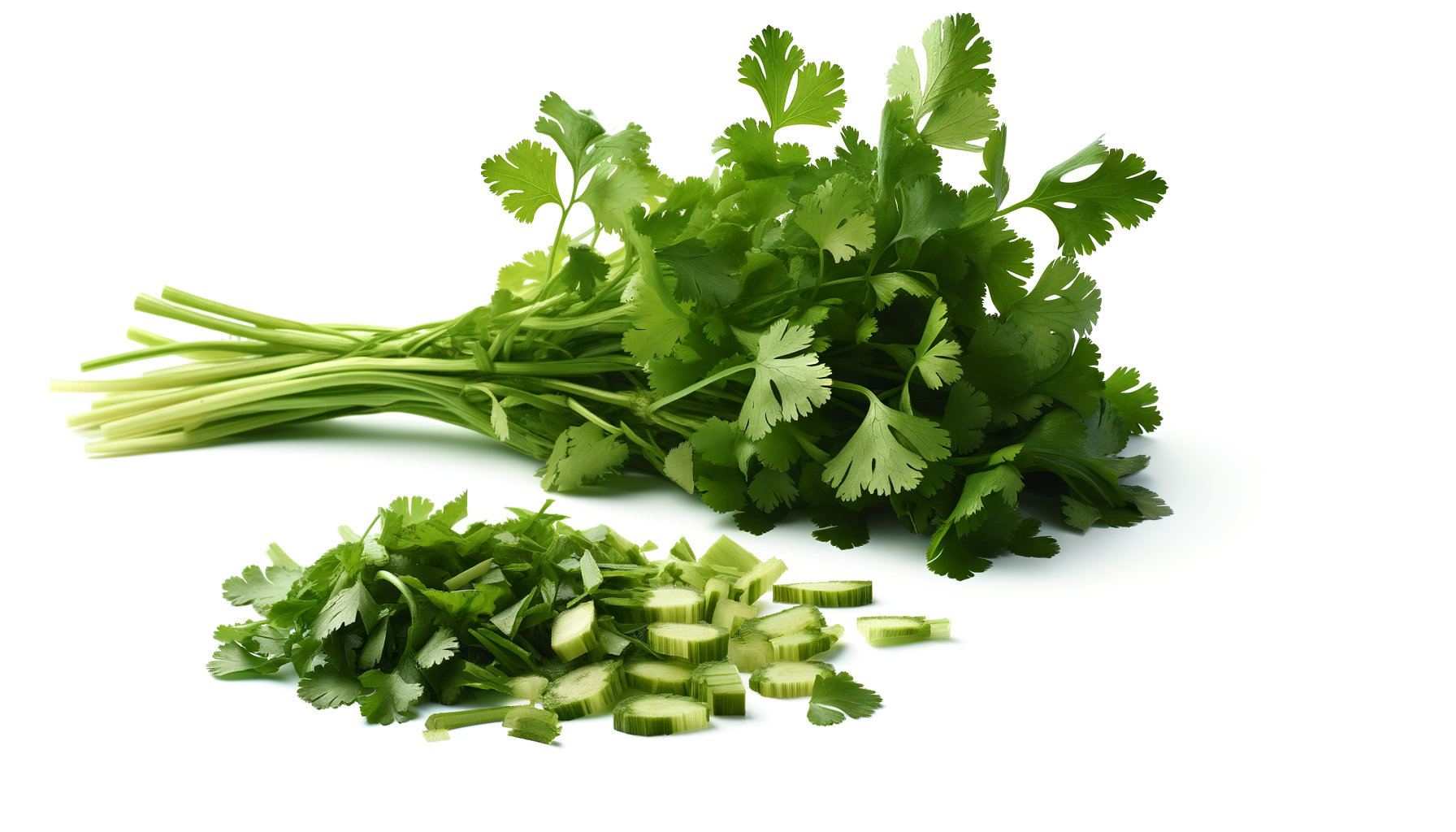
Cilantro
Eryngium foetidum
Sensory Profile
Tastes
Basic flavor profiles
Aromas
Scent characteristics
Stimuli
Sensory sensations
Textures
Physical properties
About Cilantro
Cilantro (Eryngium foetidum), often referred to as culantro or mexican coriander to distinguish it from the more commonly known coriander, boasts a robust flavor profile characterized by its pungent, citrusy notes and a slightly peppery undertone, which can evoke a fresh, green aroma reminiscent of a summer garden. Its texture is tender yet resilient, allowing it to maintain its integrity in both raw and cooked applications. In culinary contexts, cilantro shines in iconic dishes such as Vietnamese pho, where its bright, herbaceous quality cuts through the richness of the broth, enhancing the overall flavor complexity, and in Mexican salsa verde, where it provides a vibrant contrast to the heat of jalapeños and the acidity of tomatillos, creating a harmonious balance of flavors. Originating from tropical regions of Central and South America, cilantro holds significant cultural importance in various cuisines, particularly in Latin American and Southeast Asian dishes, where it is often used as a finishing herb to add freshness and brightness. Traditional production methods involve cultivating cilantro in well-drained soil with ample sunlight, allowing the plant to thrive and develop its characteristic flavor profile. What sets cilantro apart is its unique chemical composition, which includes aldehyde compounds that contribute to its distinctive aroma and flavor, making it a polarizing ingredient—while some find its taste invigorating, others perceive it as soapy due to genetic variations in taste perception. This herb's ability to retain its flavor even when subjected to heat makes it an essential component in both raw and cooked preparations, providing chefs with a dynamic tool to elevate their dishes.
Associated health effects(112)
- Anxiety Relief
- Blood Pressure Support
- Diet Quality Improvement
- Beta-Carotene Source
- Insulin Sensitivity Enhancement
- Micronutrient Density
- Appetite Stimulant
- Vitamin C Content Support
- Warfarin Interaction Risk
- Lutein Provision
- Soil Contaminant Exposure Risk
- Lutein and Zeaxanthin Provision
- Pesticide Contamination Risk
- Hypoglycemic Activity
- Drug Interactions
- GABAergic Modulation
- Cross-Reactivity Apiaceae Allergy Risk
- Vitamin K/Warfarin Interaction
- Beta-Carotene-Mediated Vitamin A Support
- Antiseptic Skin Protection
- Cardiovascular Protection
- Heavy Metal Binding via Chlorophyll
- Vitamin A Content Support
- Antioxidant
- Allergic Reactions
- Cardiovascular Health
- Dose-Dependent Effects
- Vitamin K Drug Interaction Risk
- Vitamin K Contribution
- Culinary Herb Potassium Contribution
- Culinary Herb Vitamin A Contribution
- Analgesic Activity
- Blood Pressure Reduction
- Folate Source
- Anti-anxiety Effects
- Antifungal
- Lipid Profile Improvement
- Liver Support
- Blood Cholesterol Reduction
- Fluid balance and hydration support
- Antihypertensive
- Blood Sugar Support
- HDL Cholesterol Enhancement
- Culinary Herb Vitamin K Contribution
- Heavy Metal Contamination Risk
- Low Caloric Density
- Vitamin K Source
- Vitamin A Support
- Dodecenal Antimicrobial Activity
- Heavy Metal Chelation
- Cilantro-Linked Allergy Risk
- Bacterial Contamination Risk
- Antidiabetic Activity
- Blood Sugar Regulation
- Culinary Herb Allergy Risk
- Culinary Herb Phytonutrient Contribution
- Culinary Herb Allergic Reaction Risk
- Fat-Soluble Vitamin Provision
- Culinary Herb Folate Contribution
- Carotenoid Provision
- Hypoglycemia Risk
- Memory Enhancement
- Flavor and Culinary Use
- Foodborne Illness Risk
- Iron Content Support
- Health effect related to no evidence of toxicity, heavy metals, or contaminants
- Mineral Content
- Vitamin C and nutritional support
- Dietary Fiber
- Culinary Herb Micronutrient Contribution
- Interaction with Medications
- Allergic Reaction Risk
- Vitamin K Content Support
- Gastrointestinal Discomfort
- Warfarin and other vitamin K antagonists
- Blood Lipid Profile Improvement
- Antioxidant Polyphenol Provision
- Cholesterol Management
- Brain Health
- Potassium Content Support
- Flavor Enhancement-Mediated Dietary Compliance Support
- Antiscorbutic Activity
- Culinary Herb Polyphenol Contribution
- Unwashed Produce Contamination Risk
- Culinary Herb Nutrient Density
- Gastroprotection
- Food Safety Enhancement
- Alpha-glucosidase Inhibition
- Cilantro-Linked Taste Aversion
- Digestive Upset
- DNA Damage Reduction
- Culinary Herb Vitamin C Contribution
- Culinary Diet Adherence Support
- Antibacterial
- Contact Allergy
- Bleeding Risk
- Emmenagogue Activity
- Fiber Content
- Vitamin K Provision
- Culinary Properties
- Neuroprotection
- Heart Health
- Contact Dermatitis
- Food Palatability Enhancement
- Digestive Aid
- Vitamin A Source
- Lutein and Zeaxanthin Support
- Gastrointestinal Irritation
- Anticancer Potential
- Anti-inflammatory
- Carminative
- Blood Glucose Regulation
Nutrition per 100 g(4)
- Energy: 23 kcal
- Protein: 2.1 g
- Fat: 0.6 g
- Fiber: 2.8 g