
Citric acid Sensory Map
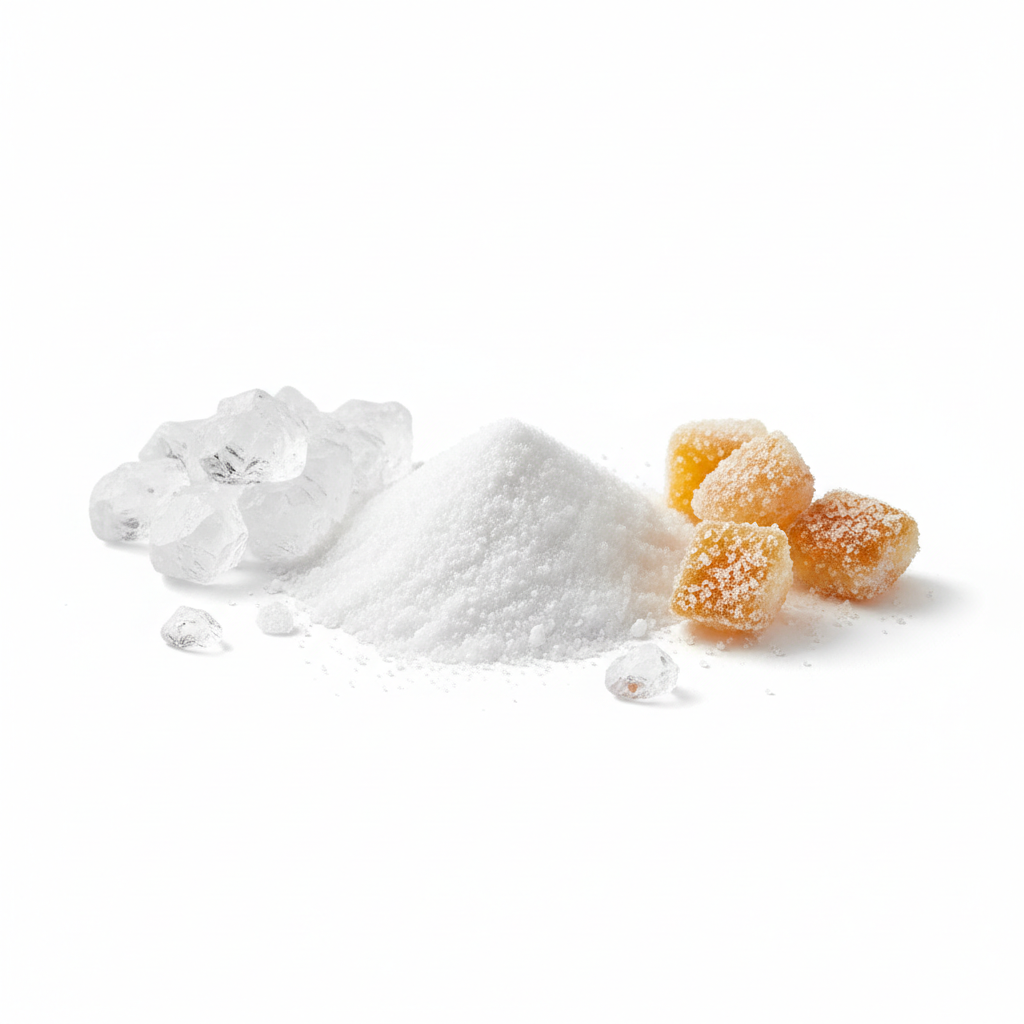
Citric acid
Acidum citricum
Sensory Profile
Tastes
Basic flavor profiles
Aromas
Scent characteristics
Stimuli
Sensory sensations
Textures
Physical properties
About Citric acid
Citric acid (E330, yellow label = no known side effects) is a crystalline organic acid that delivers a sharp, linear, and immediate sourness characterized by a clean, bracing acidity that lacks the acetic pungency of vinegar or the complex floral esters of fresh citrus juice. In the professional kitchen, it is prized for its ability to brighten flavors without introducing additional liquid or competing aromas, functioning as a critical pH regulator that alters protein structures—such as in the production of **Traditional Ricotta**, where it facilitates the rapid denaturation and coagulation of whey proteins into delicate, tight curds. Its role is equally vital in the confectionary arts, specifically in **Pâte de Fruit**, where it acts as the chemical catalyst required for high-methoxyl pectin to form a stable, resilient gel matrix, while simultaneously providing the "sour sand" coating that prevents sucrose crystallization through moisture control. Historically derived from the juice of lemons and limes in 18th-century Italy, modern high-purity citric acid is primarily produced through the submerged fermentation of *Aspergillus niger* on carbohydrate substrates, a process that yields a consistent, odorless powder with a high solubility profile. What distinguishes citric acid from other acidulants like malic or tartaric acid is its unique ability to chelate metal ions, which prevents the enzymatic browning of cut produce and stabilizes fats against rancidity, making it an indispensable technical tool for maintaining both the vibrant aesthetic and the structural integrity of complex culinary preparations.
Associated health effects(10)
- Antioxidant
- Acidity-Induced Gastric Irritation
- Acidity-Induced Dental Erosion
- Colonic Barrier Protection
- Mineral Absorption Enhancement
- Digestive Irritation
- Food Safety Enhancement
- Citric Acid-Mediated Kidney Stone Prevention
- Anti-fatigue Activity
- Anti-inflammatory
Nutrition per 100 g(4)
- Energy: 399 kcal
- Protein: 0 g
- Fat: 0.1 g
- Fiber: 0 g