
Clementine Sensory Map
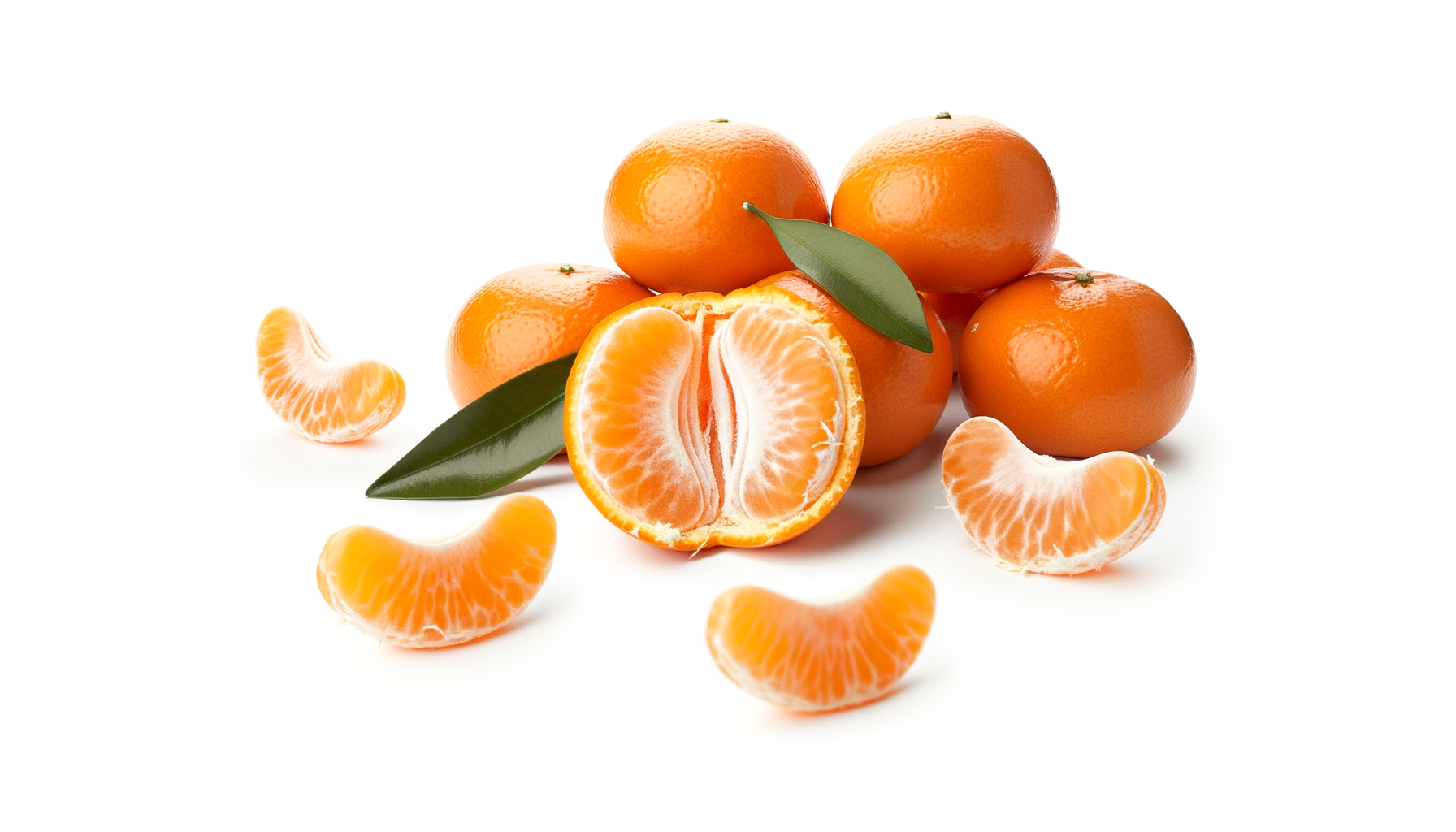
Clementine
Citrus clementina
Sensory Profile
Tastes
Basic flavor profiles
Aromas
Scent characteristics
Stimuli
Sensory sensations
Textures
Physical properties
About Clementine
Clementines are renowned for their sweet, juicy flavor with a bright, tangy undertone. They are less acidic than other citrus fruits, making them particularly appealing for fresh consumption. Their easy-to-peel skin and seedless nature enhance their desirability, offering a burst of refreshing citrus notes that are both uplifting and invigorating. Clementines are versatile in the kitchen. They are commonly enjoyed fresh as a snack or in fruit salads, where their sweetness complements other fruits. In culinary applications, they can be used to enhance salads, desserts, and sauces. Their zest is prized for adding aromatic citrus notes to baked goods, marinades, and dressings. Clementine juice serves as a delightful base for beverages, cocktails, and glazes, providing a sweet and tangy flavor that brightens dishes. Clementines are believed to have originated in Algeria in the late 19th century, specifically attributed to Father Clement Rodier, who is credited with cultivating this hybrid between a mandarin orange and a sweet orange. They have since spread to various regions, particularly in Mediterranean climates, and are now widely grown in Spain, Morocco, and the United States. Clementines are small, typically 2 to 3 inches in diameter, with a glossy, thin skin that ranges from bright orange to deep orange.
Associated health effects(15)
- Vitamin C Source
- Antioxidant
- Allergic Reactions
- Folate Source
- Blood Sugar Support
- Immune Booster
- Vision Protection
- Flavor and Culinary Use
- Dietary Fiber
- Skin Health
- Dental Erosion
- Weight Management
- Potassium
- Digestive Aid
- Anti-inflammatory
Nutrition per 100 g(4)
- Energy: 47 kcal
- Protein: 0.9 g
- Fat: 0.2 g
- Fiber: 1.4 g