
Clove Sensory Map
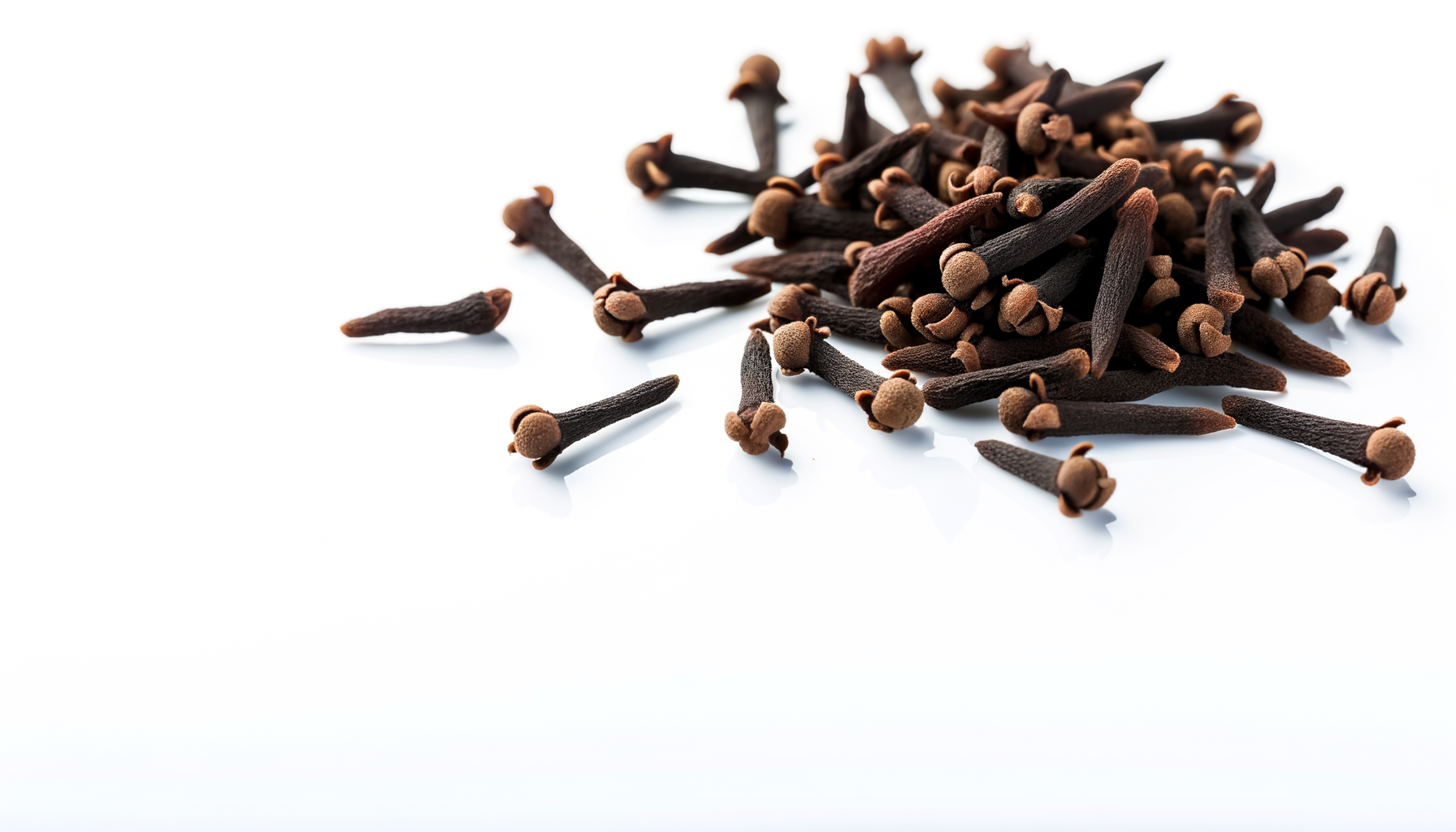
Clove
Syzygium aromaticum
Sensory Profile
Tastes
Basic flavor profiles
Aromas
Scent characteristics
Stimuli
Sensory sensations
Textures
Physical properties
About Clove
Cloves possess a warm, sweet, and slightly bitter flavor with a strong aromatic quality. Their taste is complex, featuring notes of eugenol, which lends a spicy, almost medicinal undertone, complemented by hints of sweetness and a subtle earthiness. Cloves are versatile in both sweet and savory dishes. They are commonly used in spice blends such as garam masala and pumpkin spice, enhancing the flavor of baked goods, stews, and curries. Whole cloves can be used to infuse liquids, while ground cloves are ideal for seasoning meats, desserts, and beverages like mulled wine and chai. Cloves also play a crucial role in pickling and preserving due to their antimicrobial properties. Native to the Maluku Islands (the Spice Islands) in Indonesia, cloves have been cultivated for centuries and were highly valued in ancient trade. They spread to various parts of the world, including India, Africa, and the Caribbean, where they are now grown extensively. Cloves are the dried flower buds of the clove tree, harvested before they bloom. They are typically dark brown to black in color, with a unique nail-like shape. Their strong aroma and flavor make them a potent spice, and they are often used sparingly. Cloves are also recognized for their medicinal properties, including anti-inflammatory and antioxidant effects, making them a staple in traditional
Associated health effects(15)
- Micronutrient Support
- Mucosal Irritation
- Antioxidant
- Allergic Reactions
- Liver Toxicity
- Cancer-Preventive
- Antifungal
- Pain Relief
- Liver Support
- Blood Sugar Support
- Interaction with Medications
- Bone Health
- Antibacterial
- Digestive Aid
- Anti-inflammatory
Nutrition per 100 g(4)
- Energy: 274 kcal
- Protein: 5.97 g
- Fat: 20 g
- Fiber: 33.9 g