
Cocoa Butter Sensory Map
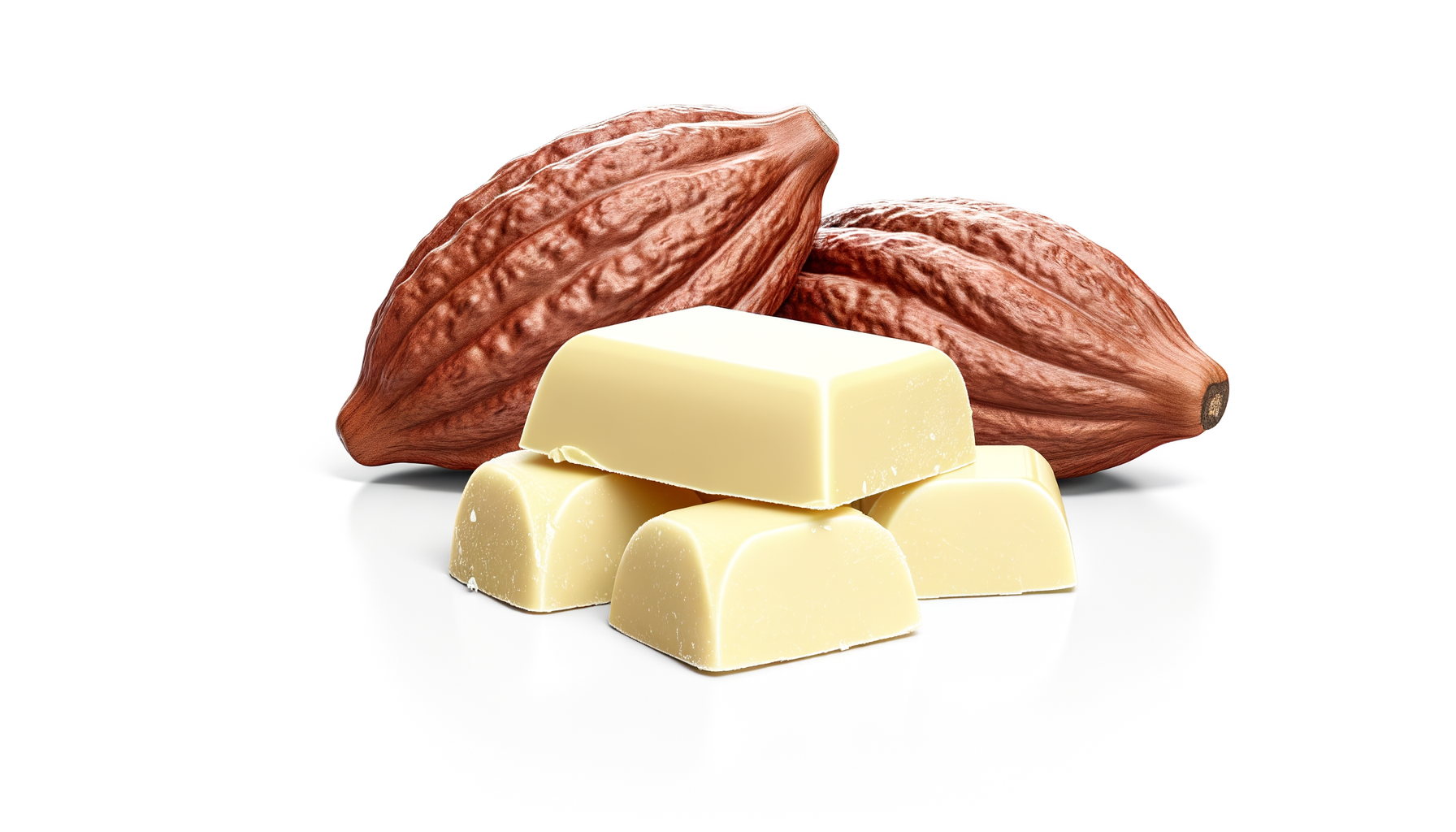
Cocoa Butter
Theobroma cacao
Sensory Profile
Tastes
Basic flavor profiles
Aromas
Scent characteristics
Stimuli
Sensory sensations
Textures
Physical properties
About Cocoa Butter
Cocoa butter is characterized by a rich, creamy texture and a subtle, sweet chocolate aroma. While it lacks the intense chocolate flavor of cocoa powder, it imparts a delicate, nutty undertone that enhances both sweet and savory dishes. Primarily used in the confectionery industry, cocoa butter is essential for making chocolate, providing a smooth mouthfeel and glossy finish. It is also utilized in baking, where it can be melted and incorporated into batters or used as a fat substitute in recipes. Beyond sweets, cocoa butter can enrich sauces and dressings, adding depth and a luxurious texture. Additionally, it is a popular ingredient in cosmetics and skincare products due to its moisturizing properties. Cocoa butter is derived from the seeds of the cacao tree (Theobroma cacao), native to the tropical regions of Central and South America. The name "Theobroma" translates to "food of the gods," reflecting the historical significance and reverence of cacao in ancient Mesoamerican cultures. Today, major producers include countries like Ivory Coast, Ghana, and Indonesia. Cocoa butter is notable for its high fat content, primarily composed of saturated and monounsaturated fats, which contribute to its stability and melting point of around 34-38°C (93-100°F). This unique melting point allows it to remain solid at room temperature while
Associated health effects(76)
- Liver Protection via Polyphenols
- Satiety Enhancement
- Limited Nutritional Advantages
- Caloric Density
- Insulin Sensitivity Enhancement
- Collagen Synthesis Enhancement
- Improved Nutrient Absorption
- Emollient Activity
- Keto Diet Compatibility
- High-Quality Fat Provision
- Photoprotection
- Cardiovascular Protection
- Antioxidant
- Allergic Reactions
- Cardiovascular Health
- Dose-Dependent Effects
- Vitamin E Source
- Digestive Tolerance
- Saturated Fat and Cholesterol
- Blood Pressure Reduction
- Cholesterol Neutrality
- Skin Barrier Protection
- Skin Sensitivity
- Nutritional Advantages
- Wound Healing
- Lipid Profile Improvement
- Fat Matrix Cholesterol Neutrality
- Blood Cholesterol Reduction
- Stearic Acid-Mediated LDL Cholesterol Neutrality
- HDL Cholesterol Elevation
- Stearic Acid-Mediated LDL Neutrality
- Blood Sugar Support
- Hormonal Regulation
- General overconsumption risks
- Skin Moisturization Enhancement
- Skin Moisturization
- Limited Micronutrient Density
- High Caloric Density
- Immune Modulation
- Polyphenol-Mediated Antioxidant Activity
- Fat-Soluble Vitamin Provision
- Vision Protection
- Stearic Acid-Mediated LDL Oxidation Reduction
- Stearic Acid Cholesterol Neutrality
- Atherosclerosis Prevention
- Digestive Irritation
- Mood Enhancement
- No Evidence of Toxicity, Heavy Metals, or Contaminants
- Stearic Acid-Mediated Cholesterol Neutrality
- Skin Moisturizing Support
- Skin Health
- High Saturated Fat Content
- Allergic Reaction Risk
- Obesity and Weight Gain
- Bone Health
- Caloric Excess
- Blood Lipid Profile Improvement
- Cholesterol Management
- Anti-aging Activity
- DNA Damage Reduction
- LDL Cholesterol Reduction
- Triglyceride Reduction
- Immune Function
- Weight Gain
- Stable Fat Culinary Property
- Heart Health
- Magnesium
- Comedogenic Activity
- Lipid Metabolism Support
- Fat-Soluble Vitamin Absorption Support
- Food Palatability Enhancement
- Skin Barrier Support
- Insulin Sensitivity Support
- Hormonal Reproductive Caution
- Anticancer Potential
- Anti-inflammatory
Nutrition per 100 g(4)
- Energy: 900 kcal
- Protein: 0 g
- Fat: 100 g
- Fiber: 0 g