
Cocoa Sensory Map
Cocoa
Theobroma cacao
Sensory Profile
Tastes
Basic flavor profiles
Aromas
Scent characteristics
Stimuli
Sensory sensations
Textures
Physical properties
About Cocoa
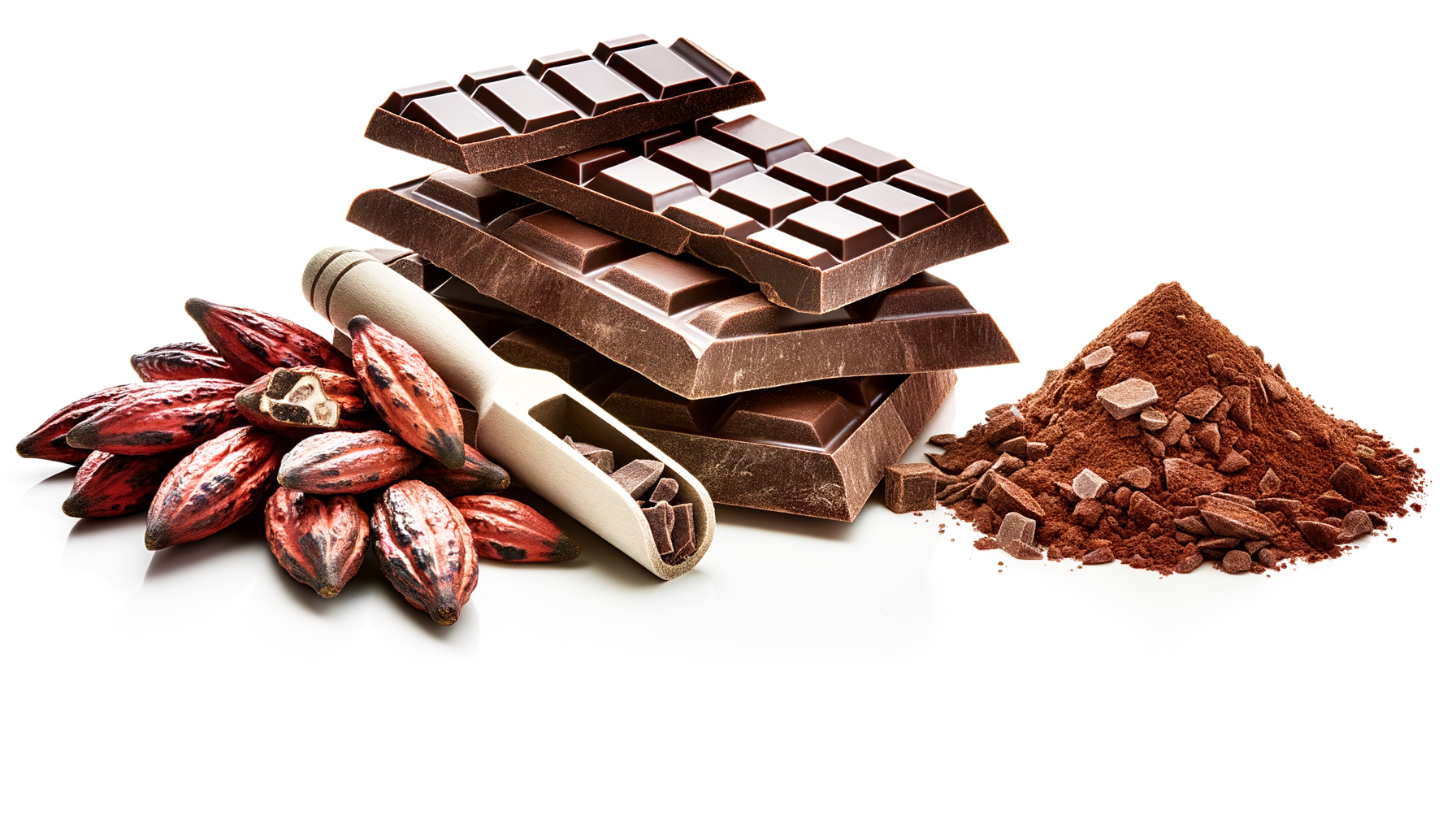
Cocoa possesses a rich, complex flavor that balances bitterness with subtle sweetness and earthy undertones. Its deep, chocolatey notes are complemented by hints of fruitiness and nuttiness, making it a versatile ingredient in both sweet and savory dishes. Cocoa is primarily used in the production of chocolate, but its culinary applications extend far beyond. It is a key ingredient in desserts such as cakes, brownies, and mousses, as well as in beverages like hot chocolate and chocolate milk. In savory dishes, cocoa can enhance sauces, marinades, and rubs, adding depth and a unique flavor dimension. Unsweetened cocoa powder is often used in baking, while cocoa nibs provide a crunchy texture and intense chocolate flavor. The cacao tree, native to the tropical regions of Central and South America, has been cultivated for over 3,000 years. The ancient Maya and Aztec civilizations revered cacao, using it in ceremonial drinks and as currency. Today, major producers include countries like Ivory Coast, Ghana, and Indonesia, where the climate and conditions are ideal for cacao cultivation. Cocoa is available in various forms, including cocoa powder, cocoa butter, and whole cacao beans. The processing method significantly influences its flavor and quality; for instance, Dutch-processed cocoa is treated with an alkalizing agent, resulting in a milder flavor and darker color. Rich in antioxidants and flav
Associated health effects(20)
- Blood Pressure Support
- Caloric Density
- Cardiovascular Protection
- Antioxidant
- Allergic Reactions
- Saturated Fat and Cholesterol
- Skin Sensitivity
- Endothelial Function Enhancement
- Vasodilation
- Addiction Potential
- Mood Enhancement
- Interaction with Medications
- Caloric Excess
- Triglyceride Reduction
- Weight Gain
- Neuroprotection
- Heart Health
- Sleep Disruption
- Anti-inflammatory
- Cognitive Support
Nutrition per 100 g(4)
- Energy: 228 kcal
- Protein: 19.6 g
- Fat: 13.7 g
- Fiber: 33.2 g