
Coconut Sensory Map
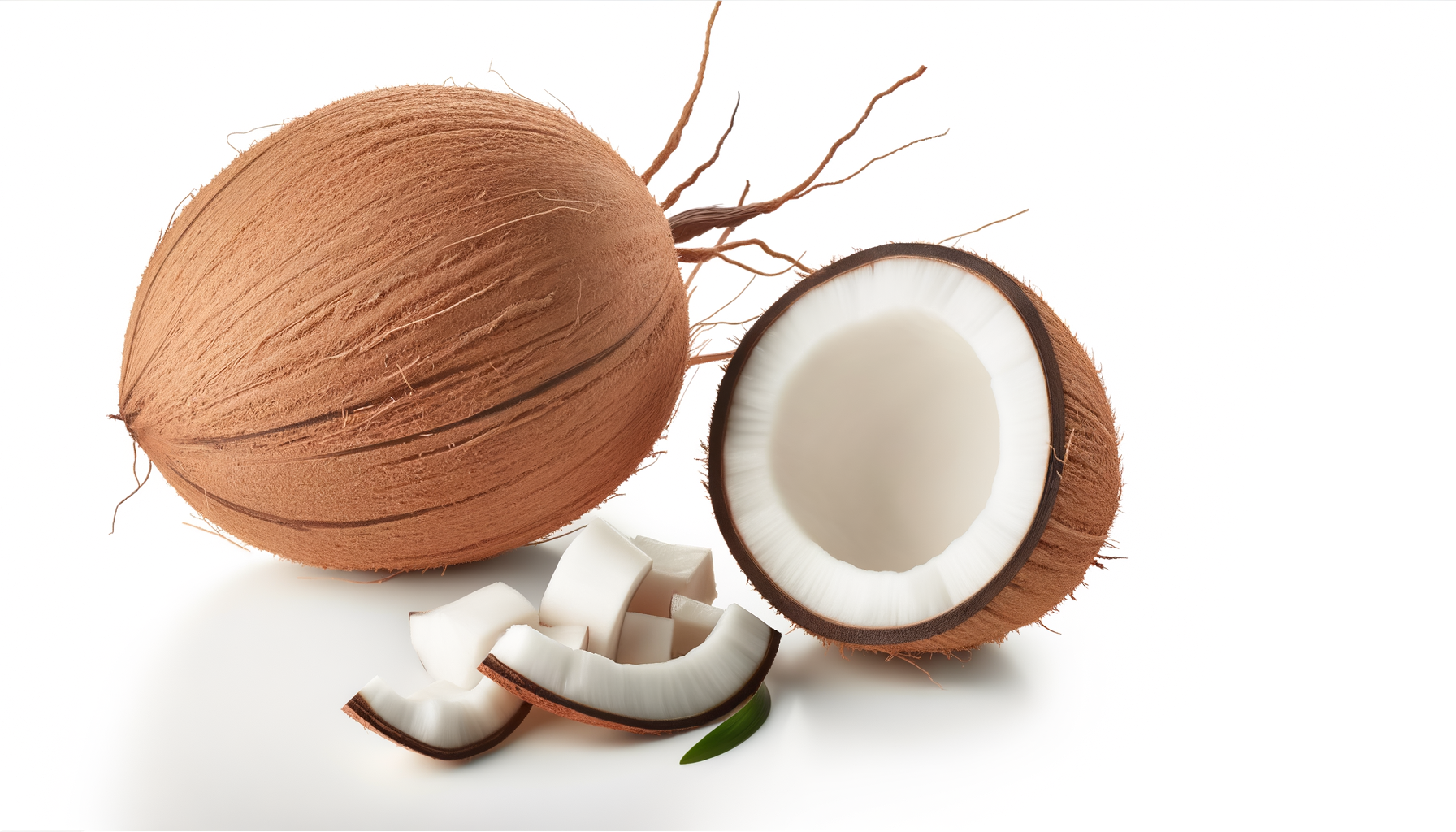
Coconut
Cocos nucifera
Sensory Profile
Tastes
Basic flavor profiles
Aromas
Scent characteristics
Stimuli
Sensory sensations
Textures
Physical properties
About Coconut
Coconut offers a unique combination of sweet, nutty, and creamy flavors. The flesh is mildly sweet with a rich, buttery texture, while the milk and water provide a refreshing, slightly sweet taste that enhances both sweet and savory dishes. Coconut is incredibly versatile in culinary applications. The flesh can be eaten fresh or dried, grated into desserts, or blended into smoothies. Coconut milk and cream are essential in many Southeast Asian and Caribbean cuisines, used in curries, soups, and sauces. Coconut oil is favored for frying and baking due to its high smoke point and distinct flavor. Additionally, toasted coconut adds a crunchy texture and depth to salads, granola, and confections. Coconut is believed to have originated in the tropical regions of Southeast Asia and the Indian subcontinent. It has been cultivated for thousands of years and is now grown in many tropical and subtropical regions around the world, including the Philippines, Indonesia, India, and Brazil. Coconuts are characterized by their hard, brown outer shell and fibrous husk, encasing a white, edible flesh and a clear liquid known as coconut water. The tree itself is tall and palm-like, with large, feathery fronds. Coconuts are not only valued for their culinary uses but also for their nutritional benefits, being rich in healthy fats,
Associated health effects(21)
- Micronutrient Support
- Caloric Density
- Antioxidant
- Allergic Reactions
- Saturated Fat and Cholesterol
- Medium-Chain Fatty Acid Support
- Antifungal
- Pain Relief
- Blood Sugar Support
- Immune Booster
- Skin Health
- Interaction with Medications
- Bone Health
- Caloric Excess
- Cholesterol Management
- Weight Management
- Antibacterial
- Heart Health
- Antiviral
- Digestive Aid
- Anti-inflammatory
Nutrition per 100 g(4)
- Energy: 354 kcal
- Protein: 3.3 g
- Fat: 33.5 g
- Fiber: 9 g