
Coconut Milk Sensory Map
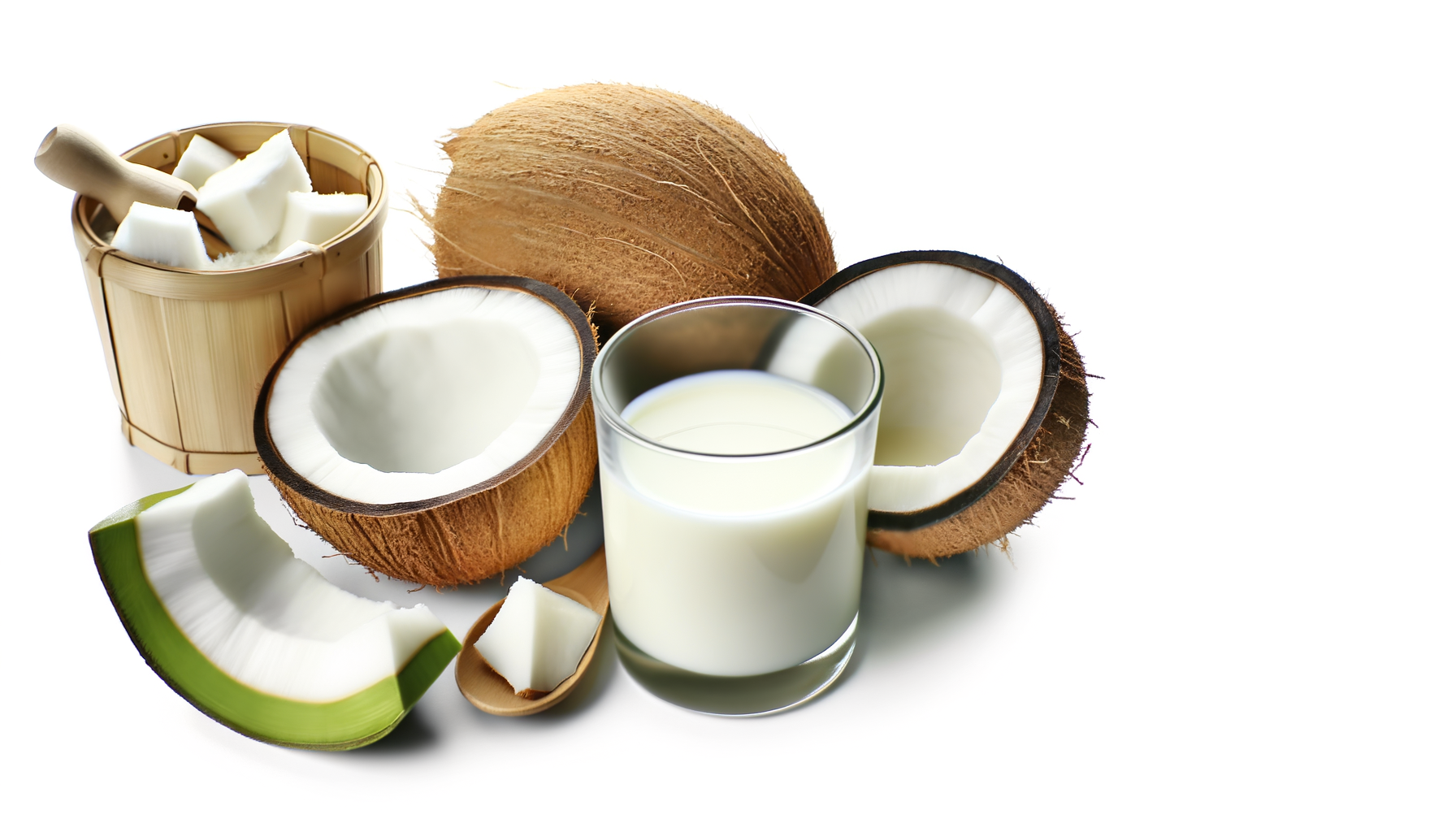
Coconut Milk
Cocos nucifera
Sensory Profile
Tastes
Basic flavor profiles
Aromas
Scent characteristics
Stimuli
Sensory sensations
Textures
Physical properties
About Coconut Milk
Coconut milk boasts a rich, creamy texture with a subtly sweet and nutty flavor. Its taste is often described as tropical and slightly earthy, providing a luscious mouthfeel that enhances both sweet and savory dishes. Coconut milk is a versatile ingredient widely used in various cuisines, particularly in Southeast Asian, Caribbean, and Indian cooking. It serves as a base for curries, soups, and stews, adding depth and creaminess. Additionally, it is a popular choice for dairy-free alternatives in desserts, smoothies, and beverages, such as piña coladas and coconut rice. Its ability to blend seamlessly with spices and other ingredients makes it a staple in vegan and vegetarian dishes. Coconut milk is derived from the grated flesh of mature coconuts (Cocos nucifera), which are native to tropical regions of Southeast Asia and the Pacific Islands. The extraction process involves mixing the grated coconut with water and straining it to yield the milk. This ingredient has been a fundamental part of culinary traditions in these regions for centuries, celebrated for both its flavor and nutritional benefits. Coconut milk is characterized by its high fat content, which can vary from light to full-fat versions, affecting its creaminess and culinary applications. It is also rich in vitamins C, E, and several B vitamins, along with minerals such as magnesium and
Associated health effects(10)
- Allergic Reactions
- Saturated Fat and Cholesterol
- Medium-Chain Fatty Acid Support
- Digestive Irritation
- BPA Contaminant Exposure
- Cholesterol Management
- Weight Management
- Weight Gain
- Digestive Aid
- Anti-inflammatory
Nutrition per 100 g(4)
- Energy: 230 kcal
- Protein: 2.3 g
- Fat: 24 g
- Fiber: 0.5 g