
Coconut Oil Sensory Map
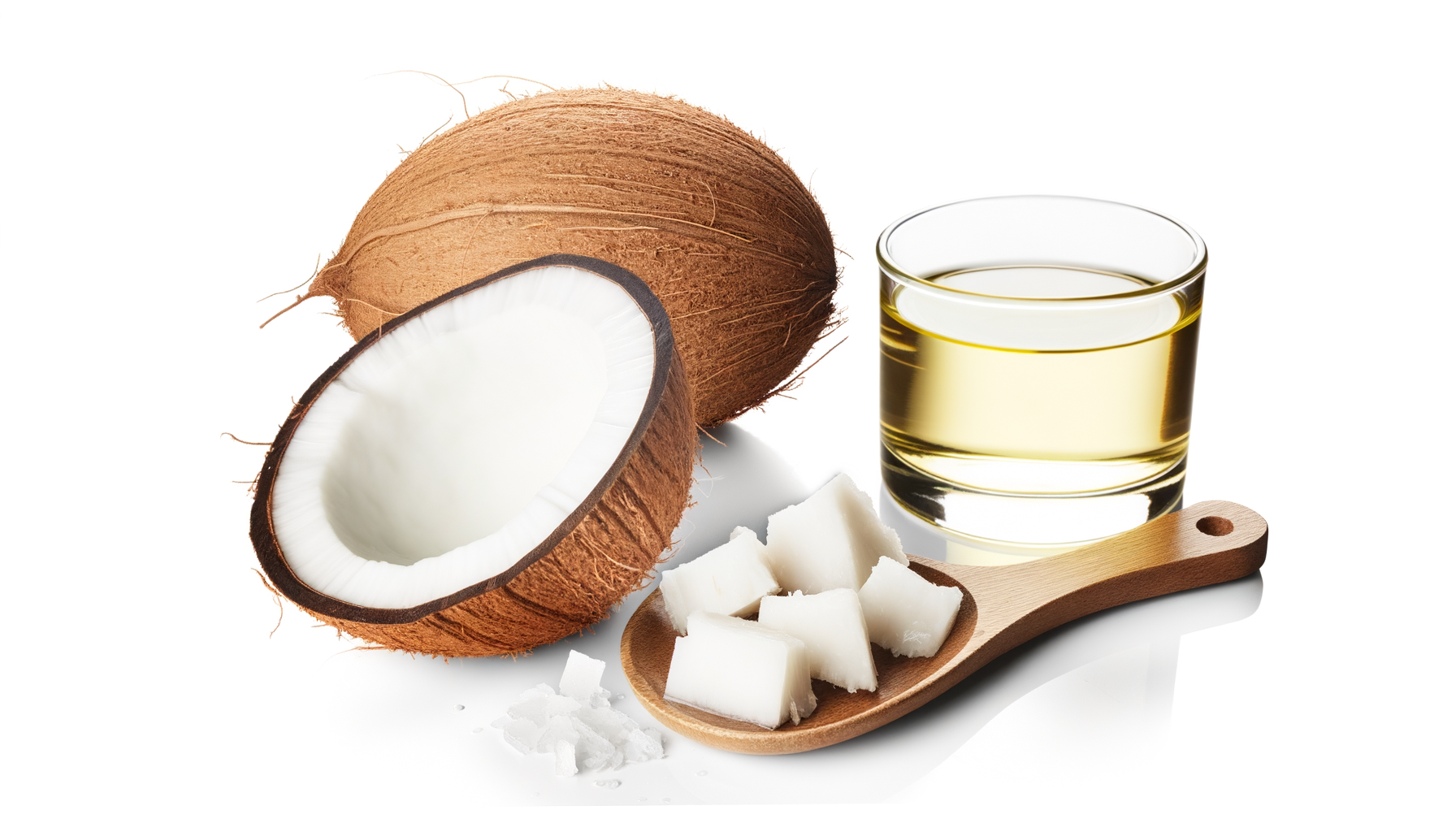
Coconut Oil
Cocos nucifera
Sensory Profile
Tastes
Basic flavor profiles
Aromas
Scent characteristics
Stimuli
Sensory sensations
Textures
Physical properties
About Coconut Oil
Coconut oil boasts a subtly sweet, nutty flavor with a creamy texture that enhances both sweet and savory dishes. Its distinct aroma is reminiscent of tropical beaches, making it a popular choice in various cuisines. Coconut oil is versatile in the kitchen, ideal for sautéing, frying, and baking. It is commonly used in Southeast Asian and Caribbean cuisines, adding richness to curries, stir-fries, and desserts. Additionally, it serves as a dairy-free alternative in vegan recipes and is often incorporated into smoothies, granola bars, and energy bites for added flavor and healthy fats. Derived from the meat of mature coconuts, coconut oil has its roots in tropical regions, particularly in Southeast Asia, the Pacific Islands, and parts of South America. The cultivation of the coconut palm (Cocos nucifera) dates back thousands of years, with historical significance in various cultures for both culinary and medicinal purposes. Coconut oil is unique for its high saturated fat content, primarily medium-chain triglycerides (MCTs), which are believed to offer various health benefits, including improved metabolism and energy levels. It is available in both refined and unrefined forms; unrefined coconut oil retains a stronger coconut flavor and aroma, while refined coconut oil has a neutral taste, making it suitable for a wider range of culinary applications.
Associated health effects(44)
- Caloric Density
- Topical Skin Moisturization Enhancement
- Body Weight
- Dental Caries Reduction
- Oral Plaque and Gingivitis Reduction
- Antioxidant
- Allergic Reactions
- Dose-Dependent Effects
- Digestive Tolerance
- Saturated Fat and Cholesterol
- Cardiovascular Risk
- LDL and Total Cholesterol Elevation
- Medium-Chain Fatty Acid Support
- Type 2 Diabetes Prevention
- Wound Healing
- Antifungal
- HDL Cholesterol Elevation
- No Unique Nutritional Advantage
- Skin Moisturization Enhancement
- Satiety Modulation
- Antidiabetic Activity
- Blood Sugar Regulation
- Dental Plaque Inhibition
- Topical Skin Protection
- Total Cholesterol
- Psoriasis Symptom Relief
- Topical Hair Damage Reduction
- Hepatoprotection
- Adaptogenic Activity
- Skin Health
- High Saturated Fat Content
- Obesity and Weight Gain
- Cholesterol Management
- Topical Antimicrobial Activity
- Medium-Chain Triglyceride Rapid Energy Provision
- Metabolism Booster
- Weight Management
- HDL Cholesterol
- Antibacterial
- Weight Gain
- Neuroprotection
- Antiviral
- Lipid Metabolism Support
- Anti-inflammatory
Nutrition per 100 g(4)
- Energy: 900 kcal
- Protein: 0 g
- Fat: 100 g
- Fiber: 0 g