
Coffee Sensory Map
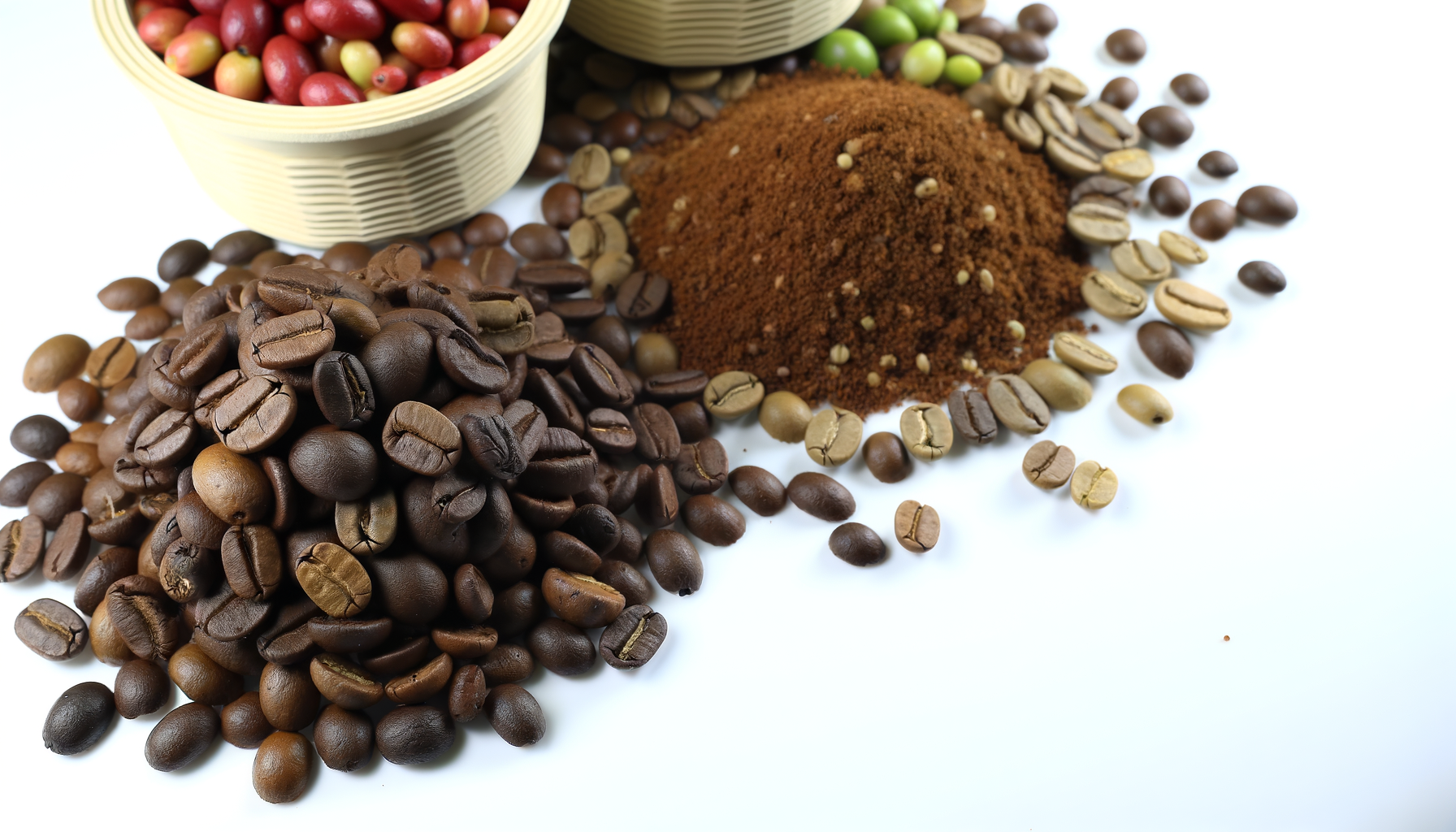
Coffee
Coffea arabica
Sensory Profile
Tastes
Basic flavor profiles
Aromas
Scent characteristics
Stimuli
Sensory sensations
Textures
Physical properties
About Coffee
Coffee, particularly from the Coffea arabica species, is renowned for its complex flavor profile that can range from sweet and fruity to nutty and chocolatey, often with floral undertones. The acidity is typically bright, contributing to a clean and crisp finish, while the body can vary from light to medium. The flavor nuances are influenced by factors such as the growing region, altitude, and processing methods. Beyond its traditional use as a beverage, coffee serves as a versatile ingredient in culinary applications. It can be used to enhance desserts like tiramisu and chocolate cakes, imparting depth and richness. Coffee grounds are also utilized in rubs and marinades for meats, adding a smoky, earthy flavor. Additionally, coffee can be infused into sauces and syrups, creating unique flavor profiles for both sweet and savory dishes. Coffea arabica is believed to have originated in the highlands of Ethiopia, where it was first cultivated and consumed. It later spread to the Arabian Peninsula, becoming a staple in Middle Eastern culture. Today, it is primarily grown in tropical and subtropical regions around the world, with major producers including Brazil, Colombia, and Ethiopia. Coffea arabica is characterized by its lower caffeine content compared to other coffee species, such as Coffea canephora (Robusta), which contributes to its smoother taste.
Associated health effects(14)
- Mood Alterations
- Antioxidant
- Cardiovascular Stress
- Addiction Potential
- Digestive Irritation
- Mood Enhancement
- Hepatoprotection
- Interaction with Medications
- Metabolism Booster
- Reproductive Risk
- Neuroprotection
- Heart Health
- Sleep Disruption
- Cognitive Support
Nutrition per 100 g(4)
- Energy: 2 kcal
- Protein: 0.1 g
- Fat: 0.4 g
- Fiber: 0 g