
Cognac Sensory Map
Cognac
Vitis vinifera
Sensory Profile
Tastes
Basic flavor profiles
Aromas
Scent characteristics
Stimuli
Sensory sensations
Textures
Physical properties
About Cognac
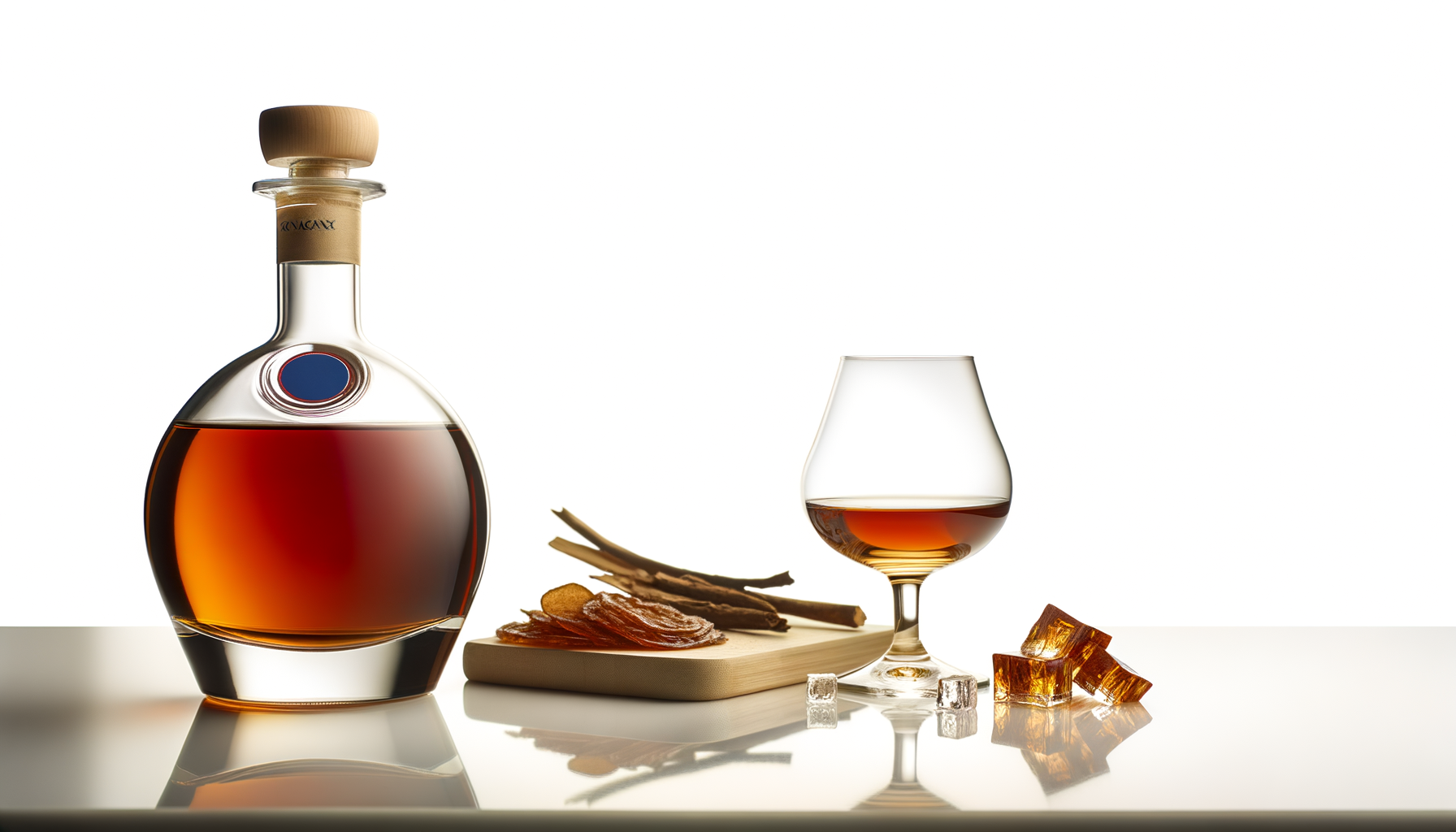
Cognac is a premium brandy known for its rich, complex flavor profile that evolves with age. It typically features notes of dried fruits, vanilla, caramel, and spices, complemented by floral undertones and a hint of oak from the aging process in French oak barrels. The palate is smooth and velvety, with a warming finish that can range from sweet to slightly tannic, depending on the age and production methods. Cognac is primarily enjoyed as a sipping spirit, often served neat or on the rocks. It is also a versatile ingredient in culinary applications, enhancing sauces, marinades, and desserts. Cognac can be used to deglaze pans, adding depth to savory dishes like coq au vin or beef bourguignon. In desserts, it can elevate flavors in chocolate sauces, fruit compotes, and flambéed dishes. Cognac originates from the Cognac region in southwestern France, where it has been produced since the 17th century. The region's unique terroir, characterized by chalky soil and a temperate climate, contributes to the distinctive qualities of the grapes used, primarily Ugni Blanc, Folle Blanche, and Colombard. Cognac production is strictly regulated, with specific guidelines governing the distillation and aging processes to ensure quality. Cognac is distinguished by its double distillation process in pot stills
Associated health effects(15)
- Mood Alterations
- Antioxidant
- Liver Toxicity
- Cancer Risk
- Cardiovascular Stress
- Addiction Potential
- Interaction with Medications
- Dehydration
- Caloric Excess
- Plasma Antioxidant Capacity Increase
- Nutrient Interference
- Heart Health
- Sleep Disruption
- Digestive Aid
- Anti-inflammatory
Nutrition per 100 g(4)
- Energy: 231 kcal
- Protein: 0 g
- Fat: 0 g
- Fiber: 0 g