
Copra Sensory Map
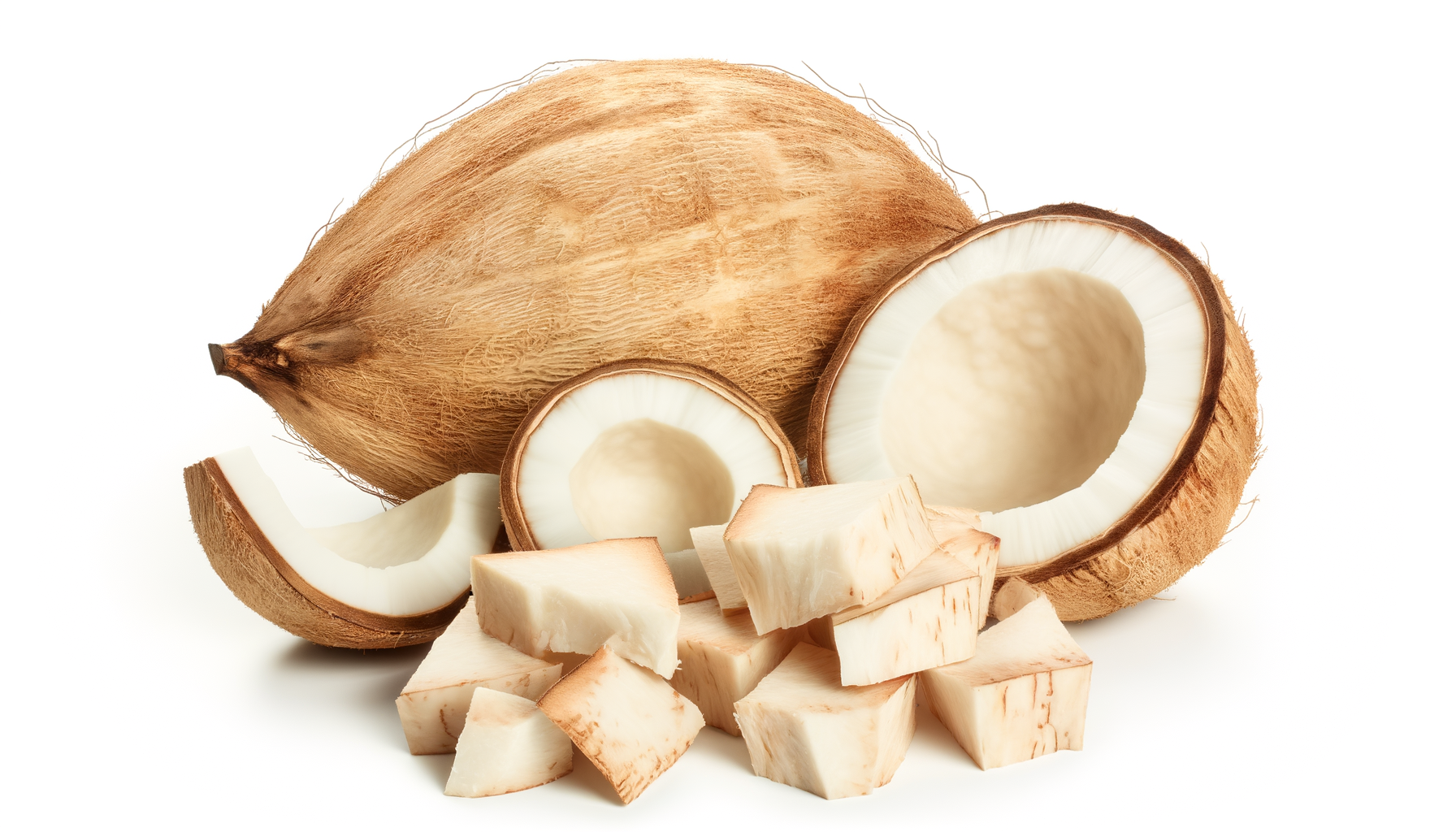
Copra
Cocos nucifera
Sensory Profile
Tastes
Basic flavor profiles
Aromas
Scent characteristics
Stimuli
Sensory sensations
Textures
Physical properties
About Copra
Copra, the dried meat of the coconut, possesses a rich, nutty flavor with a subtle sweetness and a creamy texture. Its taste is intensified when toasted, offering a deeper, caramelized profile that enhances both sweet and savory dishes. Copra is a versatile ingredient in various culinary applications. It is commonly used in baking, providing moisture and flavor to cakes, cookies, and confections. In savory dishes, it can be grated and added to curries, rice, and salads, imparting a tropical essence. Additionally, copra is the primary source for coconut oil and coconut milk, both of which are staples in many cuisines, particularly in Southeast Asian and Indian cooking. Originating from the tropical regions of Southeast Asia and the Pacific Islands, copra has been cultivated for thousands of years. The coconut palm (Cocos nucifera) thrives in coastal areas, and its fruit has been a vital food source for many cultures. The production of copra is particularly prominent in countries like the Philippines, Indonesia, and India, where it plays a significant role in local economies. Copra is characterized by its firm, fibrous texture and pale ivory color, which can vary depending on the drying process. It is typically produced by harvesting mature coconuts, which are then dried in the sun or through mechanical means to reduce moisture
Associated health effects(43)
- Zinc
- Caloric Density
- Micronutrient Density
- Copper
- Antioxidant
- Allergic Reactions
- Saturated Fat and Cholesterol
- LDL and Total Cholesterol Elevation
- Aflatoxin Contamination Risk
- Medium-Chain Fatty Acid Support
- Nutritional Advantages
- Antifungal
- HDL Cholesterol Elevation
- Blood Sugar Support
- Medium-Chain Triglyceride Cholesterol Modulation
- Satiety Modulation
- High Caloric Density
- Topical Skin Protection
- Immune Booster
- Medium-Chain Triglyceride Satiety Enhancement
- Immune Modulation
- Iron Content Support
- Mineral Content
- Dietary Fiber
- High Saturated Fat Content
- Obesity and Weight Gain
- Bone Health
- Cholesterol Management
- Brain Health
- Medium-Chain Triglyceride Rapid Energy Provision
- Manganese
- Weight Management
- Antibacterial
- Fiber Content
- Weight Gain
- Neuroprotection
- Manganese-Mediated Enzyme Support
- Fat-Soluble Vitamin Absorption Support
- Digestive Aid
- Cholesterol Improvement
- Digestive Health
- Anti-inflammatory
- Cognitive Support
Nutrition per 100 g(4)
- Energy: 660 kcal
- Protein: 7 g
- Fat: 66 g
- Fiber: 9 g