
Coriander Sensory Map
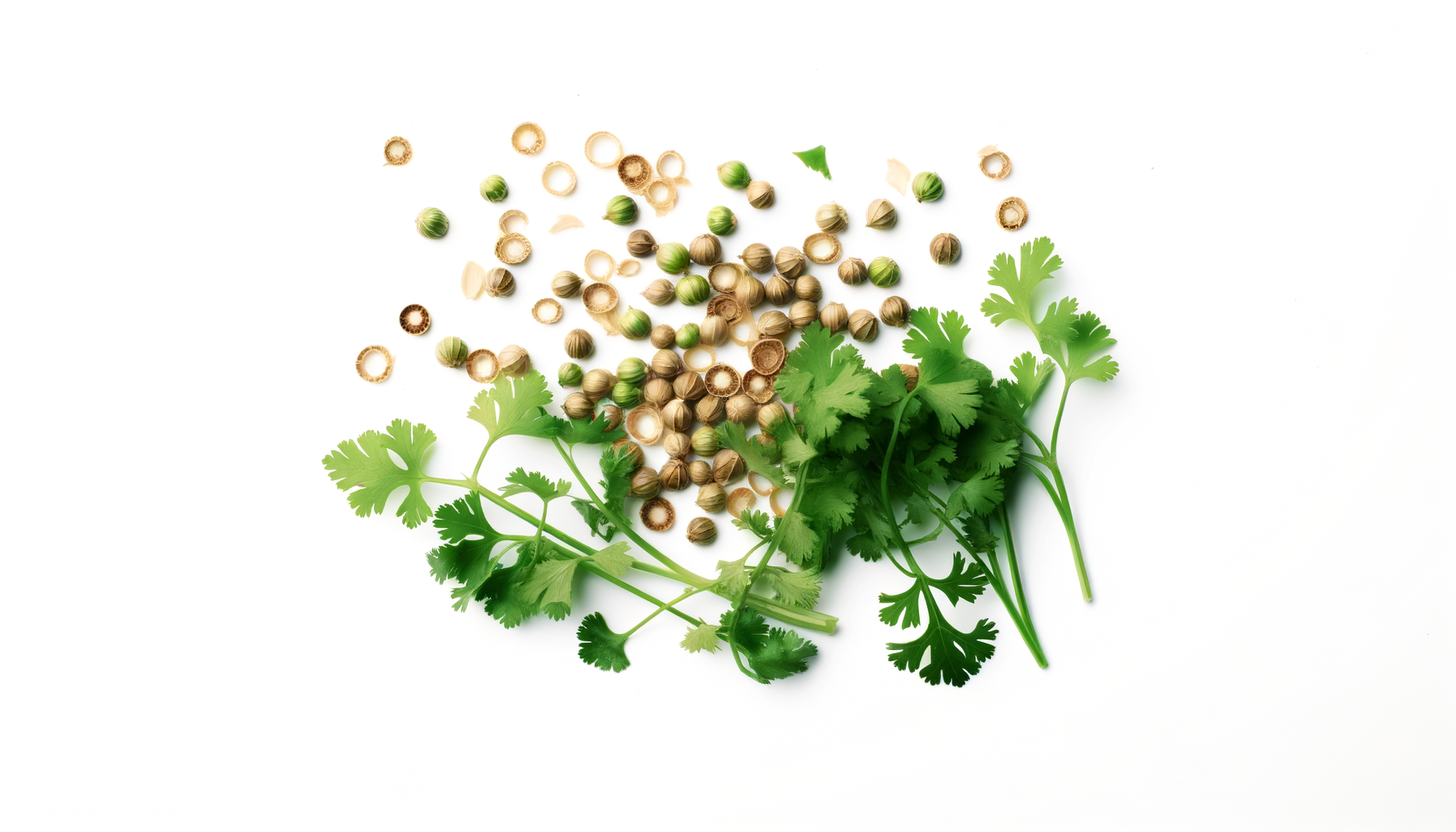
Coriander
Coriandrum sativum
Sensory Profile
Tastes
Basic flavor profiles
Aromas
Scent characteristics
Stimuli
Sensory sensations
Textures
Physical properties
About Coriander
Coriander offers a unique flavor that is both citrusy and slightly sweet, with a hint of earthiness. The seeds have a warm, nutty taste, while the fresh leaves (often referred to as, but not to be confused with cilantro or culantro) provide a bright, refreshing note that can be polarizing due to its distinct aroma. Coriander is a versatile spice used in various cuisines around the world. The seeds are commonly ground into a powder or used whole in spice blends, such as garam masala and curry powder, enhancing dishes like stews, curries, and marinades. Fresh coriander leaves are a staple in Mexican, Indian, and Middle Eastern dishes, often used as a garnish or ingredient in salsas, salads, and chutneys. The roots are also utilized in Thai cooking, imparting a deep flavor to soups and curries. Native to regions spanning from southern Europe to northern Africa and southwestern Asia, coriander has been cultivated for thousands of years. It is one of the oldest spices known to humanity, with historical references dating back to ancient Egypt, where it was used in cooking and as a preservative. Coriander is characterized by its delicate, feathery leaves and small, round seeds. The plant can grow up to 2 feet tall and produces white or pink flowers that eventually develop into the seeds. The duality
Associated health effects(54)
- Safety and Toxicity
- Blood Pressure Support
- Micronutrient Support
- Mood and Brain Wave Modulation
- Mood Enhancement via Aromatic Exposure
- Hypoglycemic Activity
- Drug Interactions
- Potential Additive Hypoglycemia
- Photoprotection
- Cardiovascular Protection
- Antioxidant
- Allergic Reactions
- Allergy Risk
- Toxicity and Safety
- Analgesic Activity
- Folate Source
- Migraine Relief
- IBS Symptom Relief
- Nutritional Advantages
- Cancer-Preventive
- Antifungal
- Pain Relief
- Aphrodisiac
- Antihypertensive
- Blood Sugar Support
- Quercetin and Rutin Flavonoid Support
- Vitamin K Source
- UV-Induced Skin Protection
- Opioid Pathway-Mediated Analgesic Activity
- Antidiabetic Activity
- Blood Sugar Regulation
- Immune Booster
- Digestive Enzyme Stimulation
- Hypoglycemia Risk
- Iron Content Support
- At-Risk Populations
- Skin Health
- Interaction with Medications
- Cholesterol Management
- Diuretic Activity
- Hypolipidemic Activity
- Weight Management
- LDL Cholesterol Reduction
- Antibacterial
- Potassium
- Triglyceride Reduction
- Neuroprotection
- Heart Health
- Magnesium
- Digestive Aid
- Vitamin A Source
- Anticancer Potential
- Anti-inflammatory
- Carminative
Nutrition per 100 g(4)
- Energy: 335 kcal
- Protein: 12.41 g
- Fat: 15.55 g
- Fiber: 41.9 g